
 EN
EN
Recognizing Basic needs for 4-8 Color Printing Equipment
How print volume, color accuracy, and substrate versatility affect equipment choices
When deciding between a 4 or 8 color printing machine, the decision hinges on three needs and what occurs on the factory floor. For print volume, a machine working at less than 750 units per hour is fine for small batches and print tests. However, for high volume operations, especially for woven polypropylene or nonwoven products, a machine working at 1,500 units per hour is the best financial decision. Getting colors correct is also crucial for brand recognition, and the challenge lies with reproducing brand colors for polypropylene-based materials because the surface energy is low. The choice of printed material is a determining factor in the choice of equipment. For nonwoven PP, printing is guided by strict control of the ink adhesion and the associated tension control to avoid material damage. For other woven materials, the operating regime is distinctly different and requires the application of high printing pressures and significant heat control. If these conditions are overlooked, it leads to equipment breakdowns, printing waste, and dissatisfied customer returns.
Key decision factors include minimum register accuracy, support for spot colors, and inline curing.
When analyzing attributes of printing equipment that makes it reliable over time and good quality of output, three of them really matter. First, register accuracy for printing systems needs to be 25 microns or less to avoid annoying registration problems to ghost images in complex eight color prints. These problems even arise due to small shifts in the printing systems. For pantone spot colors, printers should be able to go beyond CMYK. Printers should include direct pantone color matching features without cumbersome manual ink mixing. This makes certain that brand colors remain consistent throughout different production runs. Finally, inline curing features enables the removal of slow drying steps. UV LED systems provide instant results for heat sensitive materials; and thermal modules provide persistent bonds in woven materials. Recent studies from the Graphic Arts Tech Foundation 2023 have shown that inadequate adherence to the mentioned attributes significantly increases waste, waste can be as high as 17%.
Compare performance of printing technologies for 4-8 colour printing machines
Flexographic Printing Machine: Industry Standard for High-Speed, Repeatable 4-8 Colour Printing on PP Nonwovens and Woven Polypropylene
When discussing the large-scale manufacturing of 4-8 colour prints using polypropylene-based products, the solution of choice remains flexographic printing. These modern flexo presses can operate with a speed of more than 400 meters per minute. Most of the time, register accuracy goes below 25 micrometers, which allows for precision multi-layered designs on a variety of products ranging from nonwoven fabrics to shopping bags. The secret to this high precision printing remains the design of flexo presses. The design of the precision anilox roller allows for a high-quality even distribution of the substrate over the surface of the printing plate. For companies that prioritise colour uniformity, achieving a Delta E value less than 2 is the norm. With the skill of the operator, the automatic registration adjustments and fast change sleeve systems have reduced job changeover times to less than 15 minutes.
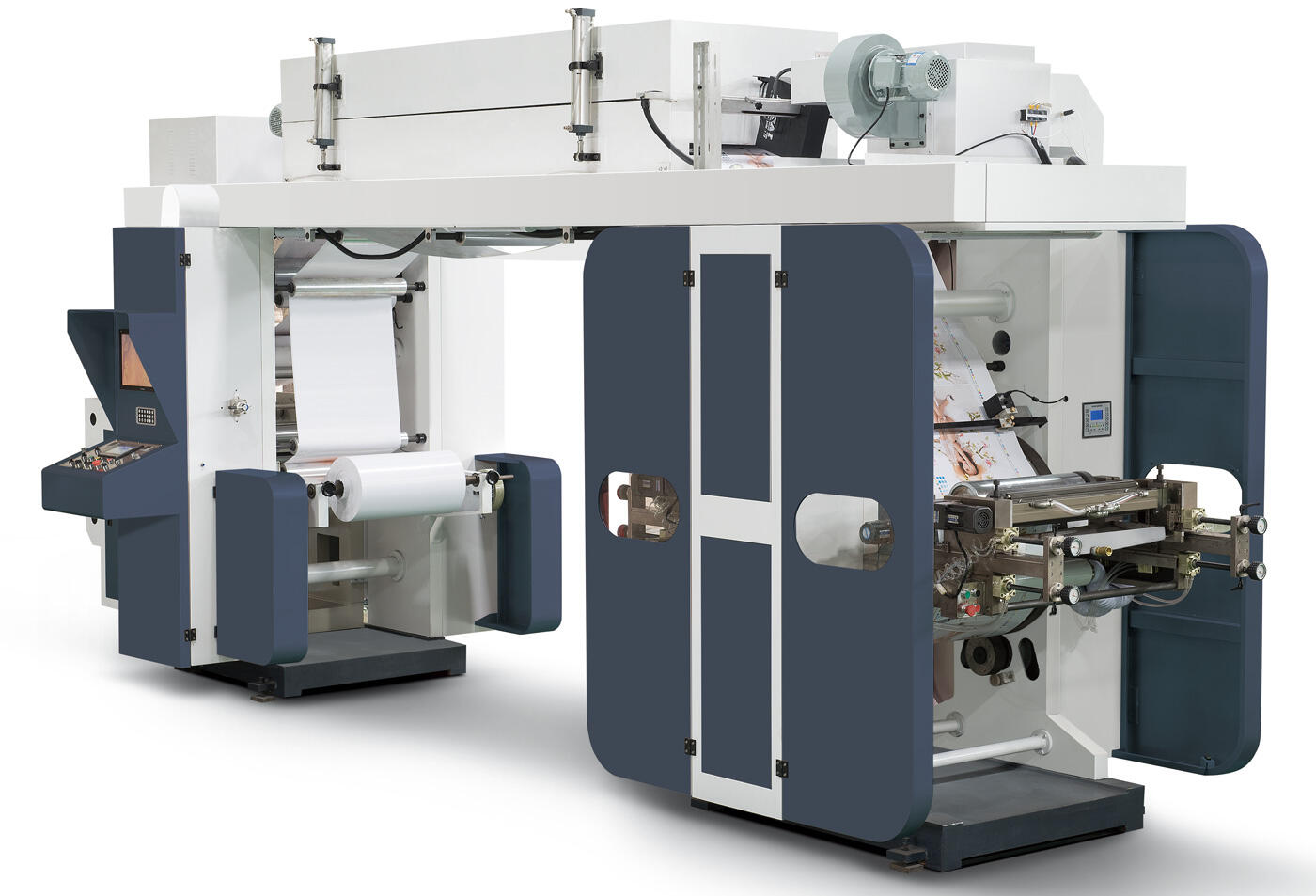
Digital Printing Machine: New Possibilities for Short-Run, Variable-Data 4-8 Colour (Limited Spot Colour) Printing and Gamut and Substrate Adhesion Issues
Among printing methods, digital printing is currently the preferred solution for short print runs (usually below 5,000) and for the printing of individualised elements, such as unique serial numbers or location-specific branding elements, as this is becoming increasingly common. However, many digital presses (CMYK + Orange, Green, and Violet) do not achieve the desired finishes for print runs that use metallic and Pantone branded colours. Depending on the digital print technology, average Delta E values for digital prints can be greater than 3, which many companies consider unsatisfactory for a brand-critical element. Adhesion of inks to certain substrates (like the nonwoven fabrics) is also problematic unless pre-treated with corona or plasma treatments. Speed is also a factor to consider as many digital presses operate at a maximum of 100 m/min, which is less than 25%% of the speed of other digital flexographic printing technologies. These factors can be a disadvantage for converters with print runs in the medium to high volume range.
Technology Level of Efficiency Optimum Length of Run Spot Colour DOF Max Speed Material Compatibility
Flexographic 10,000+ units < 2 (best-in-class) 400+ m/min 95% of PP nonwovens
Digital < 5,000 units > 3 (limited gamut) < 100 m/min Requires pre-treated PP
Digital Print Quality and Color Accuracy Evaluation for 4–8 Colors Printing Machine
Core parameters are register tolerance < 25 μm, ΔE < 3 for spots, and low dot gain on nonwovens
There are several elements of 4 to 8 color printing jobs that influence the color accuracy levels that can be achieved. The most important of these elements is register tolerance. This tolerance is particularly critical for woven polypropylene. If the alignment adjustment is greater than 50 micrometers, ghost images appear where small text or halftones overlap. The second most critical element of color accuracy is the Delta E values for spot colors. This value should be kept under 3 to achieve the desired result. Values greater than Delta E 3 are visible to an average eye and will be perceived as undesirable by the customer. The last dot gain control is particularly important to achieve accurate color. This value should not exceed 15% on hydrophobic nonwoven substrates. If left unchecked, dot gain will increase up to 30% as too much ink is spread across the low energy substrate, resulting in a blurry and overly spread image. To achieve all of the above parameters, a printer will need good-quality anilox rolls with a proper line screen, precise control of the ink viscosity through the run, and fast curing technologies like UV LED.
The various methods keep all the details crisp and clear and ensure the most complicated graphics are reproduced accurately.
ISO 12647-6 compliance and substrate-specific ICC profiling
The first step for validation is obtaining the ISO 12647-6 compliance certification. This certification evaluates if the production process keep the same colors over time, which is called color consistency, by testing the production processes such as: measuring the levels and stability of colors, how much dot gain occurs, the trapping efficiency of inks, and the neutral grays. ICC profiles specific to the substrate are equally important. There is a difference in the ink absorption of the Nonwoven polypropylene and the regular woven fabric bags; thus, specific color profiles are needed. There is a common rule in color printing: to get a color to match the visual printed output, the printer would have to set the ink saturation to 10 to 15 percent more, which causes frustration to many. The handheld spectrophotometers are also used for that purpose. The technicians operate these devices in the course of a work shift and also when the material batches are changed. As a result, the Delta E values are formed in such a way that they are within the acceptable limits when the mechanical setup and the color management system work cooperatively, thus giving the brand a fully formed confidence in the printed material and the way the printed material will look.
Assess Operational Efficiency and Substrate Handling for Your 4–8 Colors Printing Machine
The throughput of 4 to 8 color printing machines is determined by their operational efficiency and substrate flexibility, particularly the time that the machines are in operation (vs. being cleaned) and the volume of material wasted. From an operational efficiency standpoint, automated systems can be designed for 85 to 95% operational time (compared to 60 to 75% for manual systems), and integrated inline inspections can reduce material waste by 15 to 20%. Woven polypropylene bags require that the electronic controls for tension be calibrated to within 0.5 N/mm to prevent distortions during high-speed production runs. Nonwoven fabrics are unique in that their surface energy is often below 32 dynes/cm, and as such, integrated corona treaters must be employed so that the surface energy is increased to the 38 to 42 dyne/cm range for optimal ink adhesion. There are numerous Interrelated factors that can cause all of this to work.
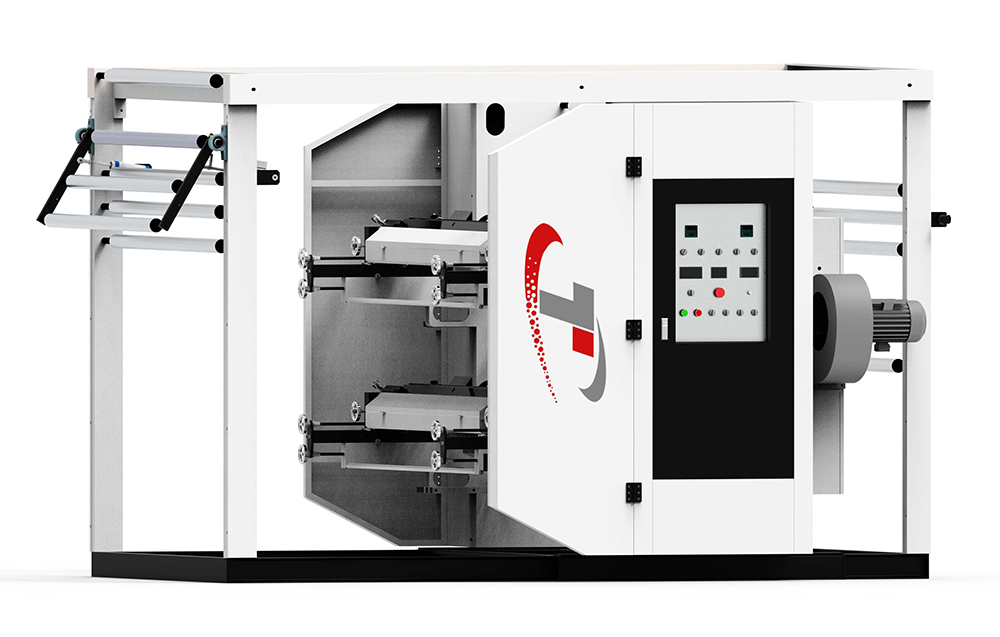
By automating job changeovers this technology has reduced setup times from over 45 minutes to less than 10 minutes.
Compared to mercury-vapor systems, LED-UV curing consumes 40% less energy.
With Adjustable impression systems, you can easily manage impression adjustments with precision of ±0.1mm, allowing you to work with substrates from ¢100gsm nonwoven to ¥500gsm woven bags.
The system must handle rolls up to 1500mm in diameter and a web width ranging from 200 to 1200mm. This must be done without compromising registration accuracy. For servo driven unwind / rewind systems with automatic splice detection, real world operator input has shown productivity increases of 18 to 22 percent. This is extremely useful for materials that are hygroscopic like kraft paper. For this reason, many installations are equipped with climate control systems for a relative humidity of 45 to 55 percent. Environments such as these minimize the occurrence of such problems that can occur when substrates make multiple passes through the printer, such as dimensional shifts and color shifts.
Common Inquiries
What should be the main considerations when selecting a 4-8 color printing machine?
These considerations should include: print volume, color accuracy, versatility of substrates, register accuracy, support for spot color, and inline curing capability.
What are the reasons for choosing flexographic printing when it comes to high-speed printing of nonwoven and woven polypropylene?
Flexographic printing technology allows for high-speed production, superior register accuracy, and optimal ink distribution for polypropylene substrates.
What are the shortcomings of digital printing in the context of 4-8 color printing?
Compared to flexo printing, digital printing is generally slower and has a limited spot color gamut, issues with substrate adhesion, and is less efficient.