
 EN
EN
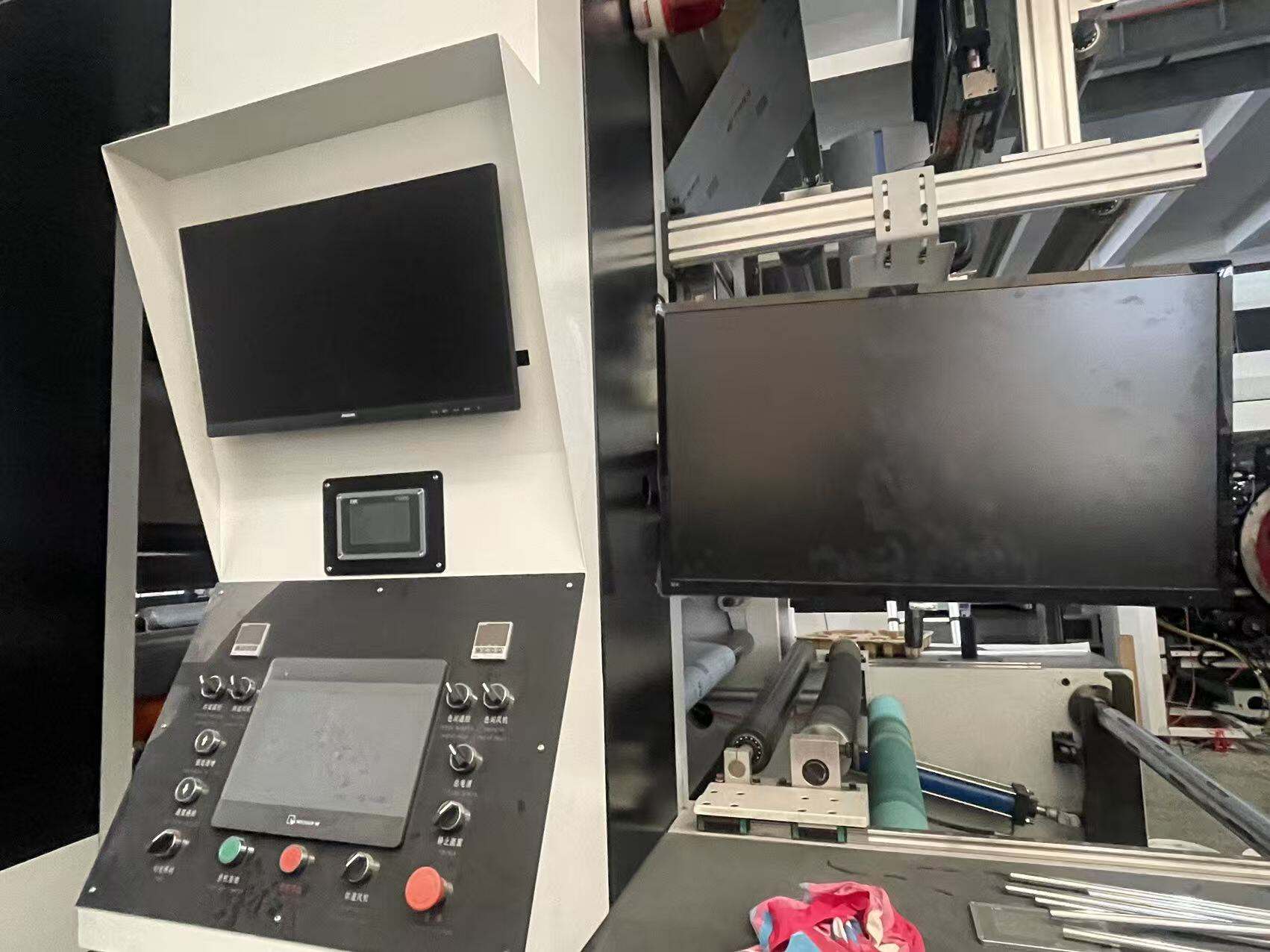
How Semi-Servo Flexo Printing Machine Lowers Total Cost of Ownership
Energy, Labor, and Consumables Savings from Integrated Servo Control
Integrated servo control results in reduced energy, labor, and wasted consumables. Thanks to precise synchronization of the motors, the drives will only function when necessary resulting in energy savings of 15–25% compared to mechanical systems. Labor requirements may be reduced by as much as 30% as the automated ink management and job recall features reduce the manual intervention required to execute changeovers. Optimized transfer of ink and pressure settings result in anilox rollers lasting longer, and broken ink transfer results in an improvement of 18-22% to the ink savings. All of these efficiencies result in operational savings of 20-35% for every million impressions, based on the Flexographic Technical Association (FTA) studies and independent audits.
Less Downtime and Greater Longevity Compared to Mechanical Systems
Semi-servo architecture increases reliability by substituting mechanical drivetrains with electronic shaftless drives—eliminating the gear, chain, and alignment issues that historically accounted for over 60% of flexo press mechanical unplanned downtime. Real-time web tension control eliminates breaks and jams, which were the top causes of production stoppages. Servo regulation of impression pressure creates a mechanical stress reduction on the cylinders and bearings extending the critical components' lifespan by 2-3 years. Due to these factors, legacy systems can expect an annual throughput increase of 25% and a maintenance reduction of 30% both scheduled and unscheduled.
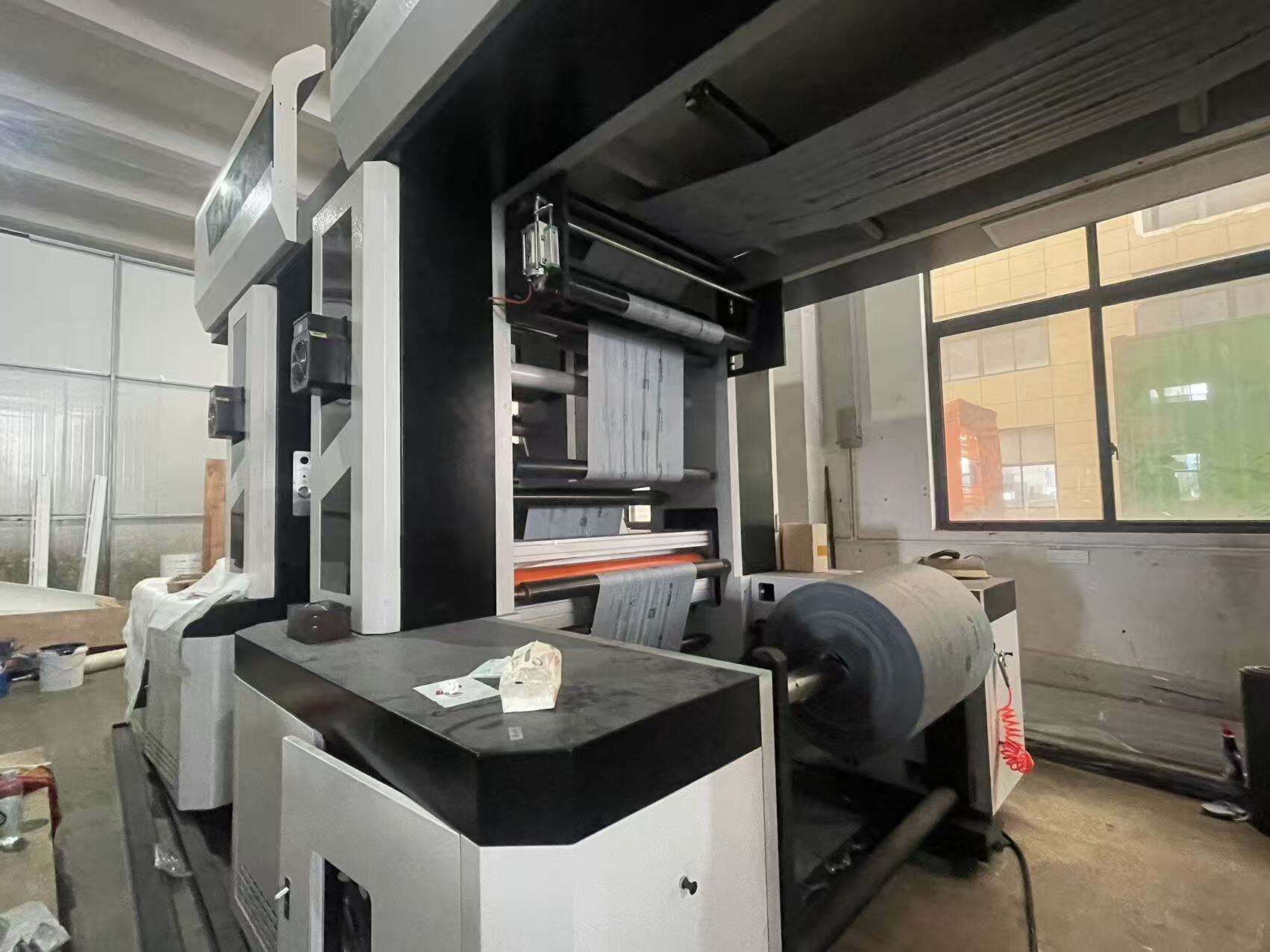
Improved operational efficiency leads to benefits in Set-up, Register accuracy, and Uptime.
38% Reduction in Make-Ready Waste and Job Changeover Time
Flexible semi-servo printing machines decrease make-ready material waste by 38% compared to their mechanical counterparts. Changes in automated plate mounting, closed-loop tension, and digital job setups decrease average changeover times by 60%. Integrated web sensors allow for consistent web tracking during changes to avoid substrate misalignment, and eliminate rework from misalignment due to manual calibration. The impact of these improvements is magnified for facilities running jobs with high variability and low to mid volume, where frequent equipment changes erodes profitability.
Continuous Uptime Production Runs with Real-time Register Corrections
Continuous optical registration systems detect and auto-correct lateral and longitudinal print misalignment to within milliseconds. This means no operator input, and eliminates the need for manual register adjustments, which have historically interrupted mechanical press run production. This increased uptime by 22%. The accuracy achieved with consistent positioning to ±0.1 mm also boosts quality and lessens defects. This supports tighter controls of the tolerances for premium label applications.
Semi-Servo vs. Mechanical and Full-Servo Flexo Printing Machine ROI Comparison
Semi-servo flexo printing machines offer the best ROI by merging the gap in the market between mechanical and full-servo performance. Mechanical systems with semi-servo combinations use 70-85% less energy. These systems require 40-60% less staff compared to full-servo combinations. The systems offer the best ROI due to energy efficiency, optimized labor, and reduced wastage. Integrated sensors have been shown to decrease material waste by 2-4% compared to mechanical systems.
Returns on investments for factories registering semi-servo automation are typically made within 14 to 24 months. This also illustrates the rapid pace of semi-servo factories compared to full-servo. Semi-servo factories incur fewer costs on hardware and automation related to proprietary software, and higher costs related to the integration of fully automated systems. Additionally, semi-servo allows factories to have job changeover times 30 percent faster than mechanical systems. Mid-volume producers are able to benefit the most from this hybrid architecture due to the optimal balance of high capital expenditure while creating low operational overhead for the lifetime of the hybrid architecture.
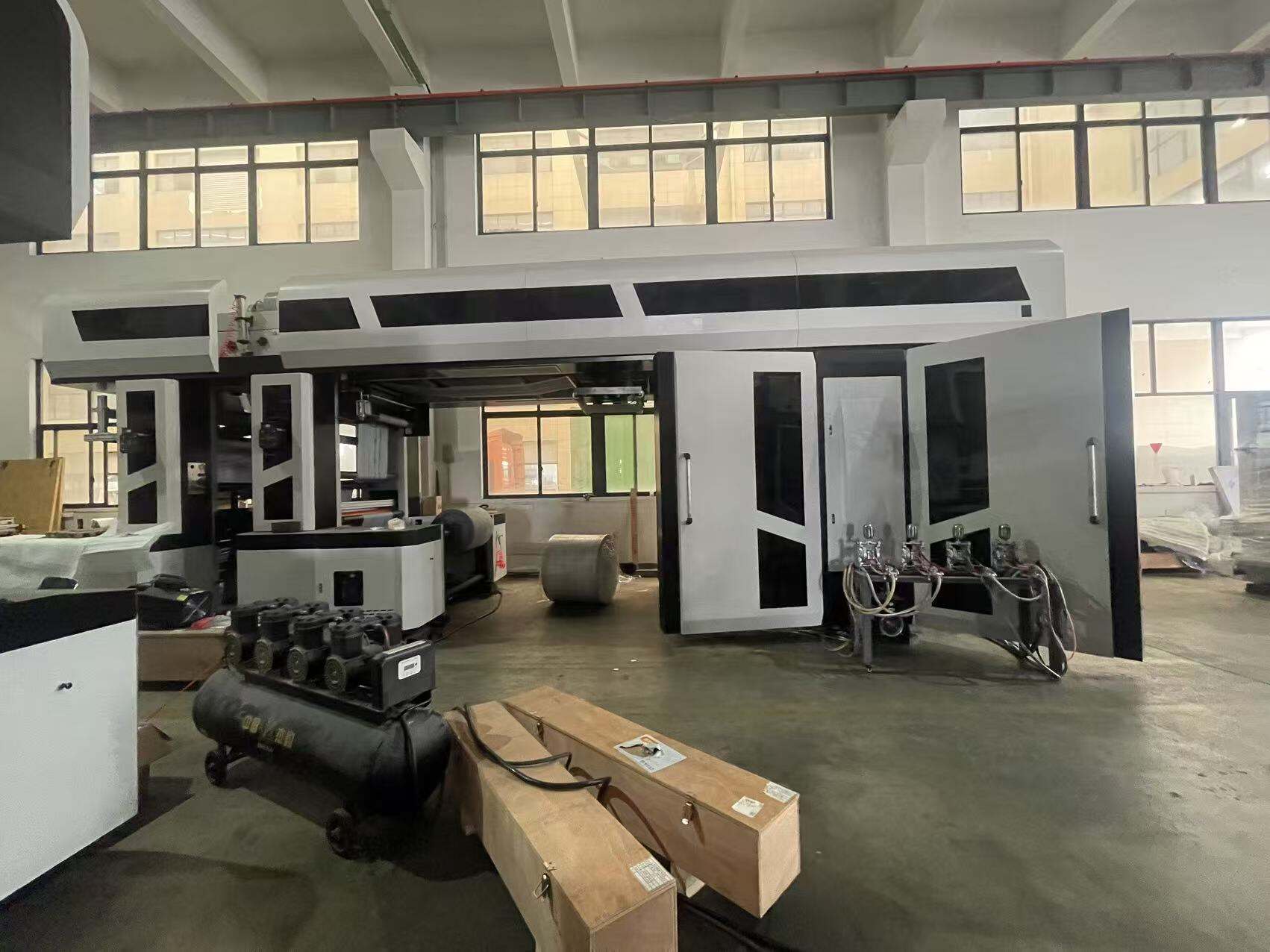
Semi-Servo Flexo for Mixed-Run Facilities
For mixed-run manufacturing, defined as producing between 1,000 to 100,000 units of a product within a year, while also producing different versions of the product (also known as SKU changes), operationally, semi-servo flexo printing is advantageous. The majority of these businesses lack the high enough volume to justify the cost of a full-servo automation. Semi-servo flexo printing combines the automated register with rapid changeover capabilities, providing the operator the control required with minimal training. Compared to mechanical systems, the semi-servo systems reduced setup times by up to 40%. Integrated control system reduced job waste by >30%, improving the gross margin and profitability for the job. This architecture supports the manufacturing of shorter product runs while enabling the factory to quickly respond to demand without line shutdowns or overtime labor.
FAQ
What are some of the primary operational cost-saving benefits semi-servo flexo printing machines? Aside from semi-servo flexo printing machines, mechanical systems have higher operational costs due to inefficient labor requirements, high energy consumption, and regular maintenance. Mechanical systems also require frequent replacement of consumables.
What methods have been used by machines to limit downtime? Machines like these extend their life through fewer breaks, jams, and components wearing out by using electronic drives and real-time tension control. This also increases their annual throughput.
What makes these machines suited for mid-volume factories? Those factories making use of these machines save costs on their ever-changing SKUs because the machines offer automated precision, quick changeovers, and don't require full-servo investments.
What is expected for the ROI period for semi-servo machines? The savings on energy, labor, and waste costs gives factories a 14-24 month period for ROI.