
 EN
EN
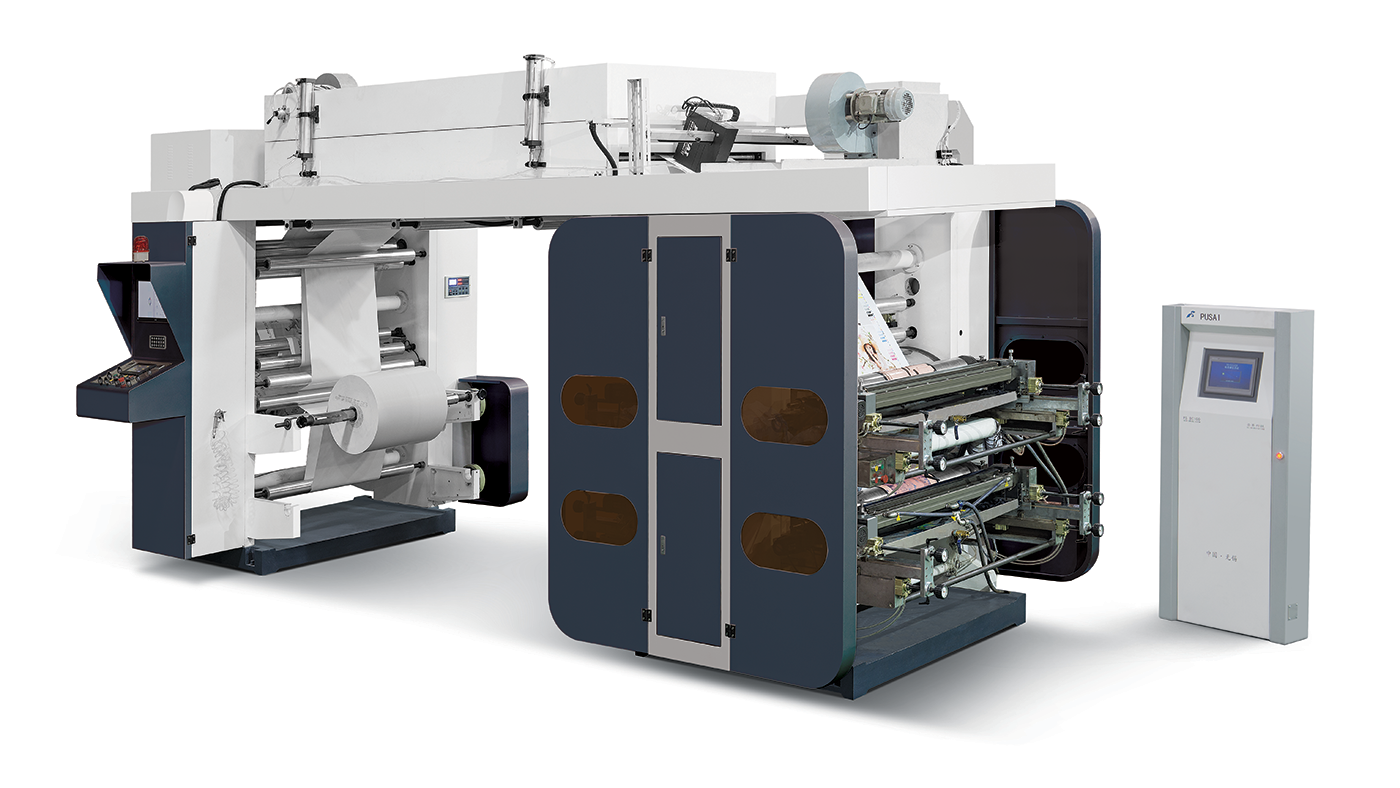
Essential Speed Factors When Considering Commercial Paper Bag Printing Machines
For paper bag manufacturers, Printing speed is one of the most important factors when determining efficiency of their operation and their return on investment. Knowing the speed of operation helps in the selection of the most appropriate machine in relation to the specified target throughput.
Common Speed Ranges by Class: Basic to High Production Machines (5–100 m/min)
*Output is dependent on the thickness of material used and the size of the bags. 2024 Packaging Machinery Analysis
High output systems are equipped with servo driven tension control and PLCs (Programmable Logic Controllers) which are able to maintain speed constant. While entry
systems can only operate at the minimum of 5–25 m/min, premium systems can achieve speeds of 100 m/min and above. This is especially important with large volume orders and time sensitive contracts with retailers.
Factors Influencing Real-World Production Rate: Effective Speed, Bag Structure, Thickness, Material, and Drying
Production rates fall due to practical considerations, usually 15-30% lower than theoretical maximums, and these include:
Material consideration: Heavyweight kraft paper (150+ gsm) reduces speeds by ~20% compared to normal 70-100 gsm stock
Drying aspects: Water-based inks requires 20-40% slower runs to allow proper curing compared to UV drying inks
Bag design: Multi-panel bags with handles reduce bagging speed by ~25% compared to flat-bottom bags
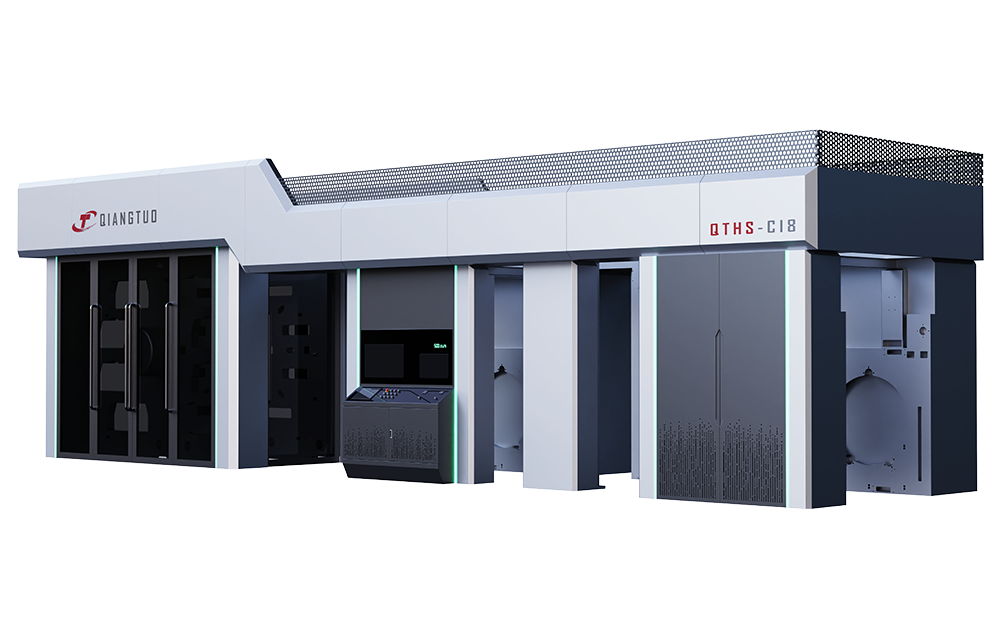
Changeovers: Format changes take 7 to 12 minutes per shift
Research shows that for uncoated papers, the optimum drying speed is 40-50 min, and systems with infrared dryers maintain drying quality and speed.
Options for Color Configurations on Printing Machines for Paper Bags
4 to 6 Color Machines vs. Spot Color Machines vs. Brand Requirements
Printing companies have to balance cost vs. customer satisfaction (including brand identity) when choosing between a spot color or a full color flexo. A spot color system with one or two stations is ideal for capturing specific company colors (e.g., Pantone shades) at a very low cost. This is very useful for color sensitive logo prints or simplistic designs. In contrast, full color flexo systems with 4 to 6 printing units will be able to do CMYK processing and print realistic images, gradient fades, and other detailed graphics. Additionally, systems with 3 or 4 color units can mix spot colors with some shading to create a balance between spot color and photo realistic printing, thus giving brands the best of both worlds. In terms of cost to print, jobs with only 1 or 2 spot colors tend to use, on average, 40% less ink than jobs with traditional processes, thus creating a money saving opportunity.
As far as keeping costs low, the difference will matter to any print shop over time.
CMYK, Pantone, and Specialty Finishes: Color Accuracy and Consistency on Paper Substrates
To get semi-accurate color on absorbent surfaces, a good deal of specialized inks and precision calibration is required. In standard CMYK printing - which is the term used to denote printing with the four primary inks of Cyan, Magenta, Yellow and Black for the record - Many different colors are made by printing an array of plenty of tiny dots. So, when brands require very specific colors, especially for high end packaging, they will call for additional Pantone mixing. Why is this important you might ask? Research indicates shoppers perceive color consistency to be associated with high quality products. Of premium shoppers, three out of four will purchase a brand whose different product lines are cohesively color matched... and that is just the beginning of the challenges presented by paper. More on that next.
Adjustments to ink viscosity depending on absorption characteristics of kraft and coated paper
Underbase white levels for bright colour printing on brown paper
Inline spectrophotometers for colour measurement and control within ÎE<2 error margin
Additional finishes such as foil stamping and aqueous take-out coatings are also more durable and shelf tempting. Print operators have to consider paper fibre swelling during drying. Uncontrolled moisture absorption can change the colour value by as much as 15%.
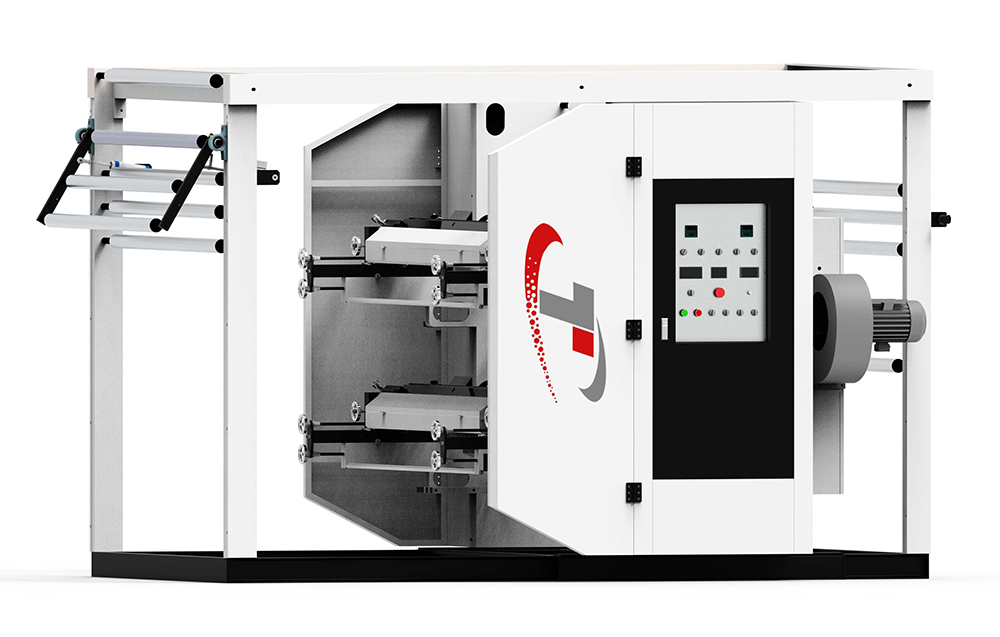
Why Is Flexographic Printing The Best Technology For Printing Paper Bags
Flexographic Printing is the best method for printing paper bags because it provides the best combination of cost, efficiency, and versatility with substrate options. Modern flexographic printing presses can run up to 100 - 200 meters per minute. This is extremely helpful with large orders because it allows for high-speed color consistency on kraft, recycled, or coated paper. How does flexo compare to digital printing? Flexo printing has a setup ink waste reduction of 30-40% with the use of quick changeover plates and water-based inks. The production of more than 10,000 bags leads to a large cost savings when producing less setup waste. One of the most important reasons for the production of high quality bags is the use of flexible photopolymer printing plates. These plates can easily flex around surfaces to achieve high quality prints on the surfaces of paper materials regardless of the amount of ink absorbed by the paper. Traditional offset and digital printers do not work well with this type of substrate. As a result of large-scale industry requirements, such as high-speed operation, versatility in the use of different types of paper, and minimal waste, Flexographic Printing leads the way in eco-friendly printing of paper bags.
FAQ
What are the different speed limits across the different classes of paper bag printing machines?
Entry-level machines have a speed range of 5-25m/min, mid range 25-60m/min, while the high output systems can have a speed of over 60m/min. These systems can include speeds of 100m/min.
How Does Thickness of Material Affect Printing Speed?
The speed at which the machine operates can be affected by up to 20% due to the heavyness of the weight kraft paper.
What are the benefits of using spot colors compared to full-color flexo?
Spot colors are a good option to save money as they are a good option to replicate specific colors of an exact brand. Full-color flexo machines are a better option to go for if you want elaborate images/graphics which will require the use of the 4-color process (CMYK). \
What are the benefits of using flexo printing in the production of paper bags?
Flexo printing combines speed, cost savings, and versatility on a wide range of paper. This is why it is most suited for large scale production of environmentally friendly paper bags.