
 EN
EN
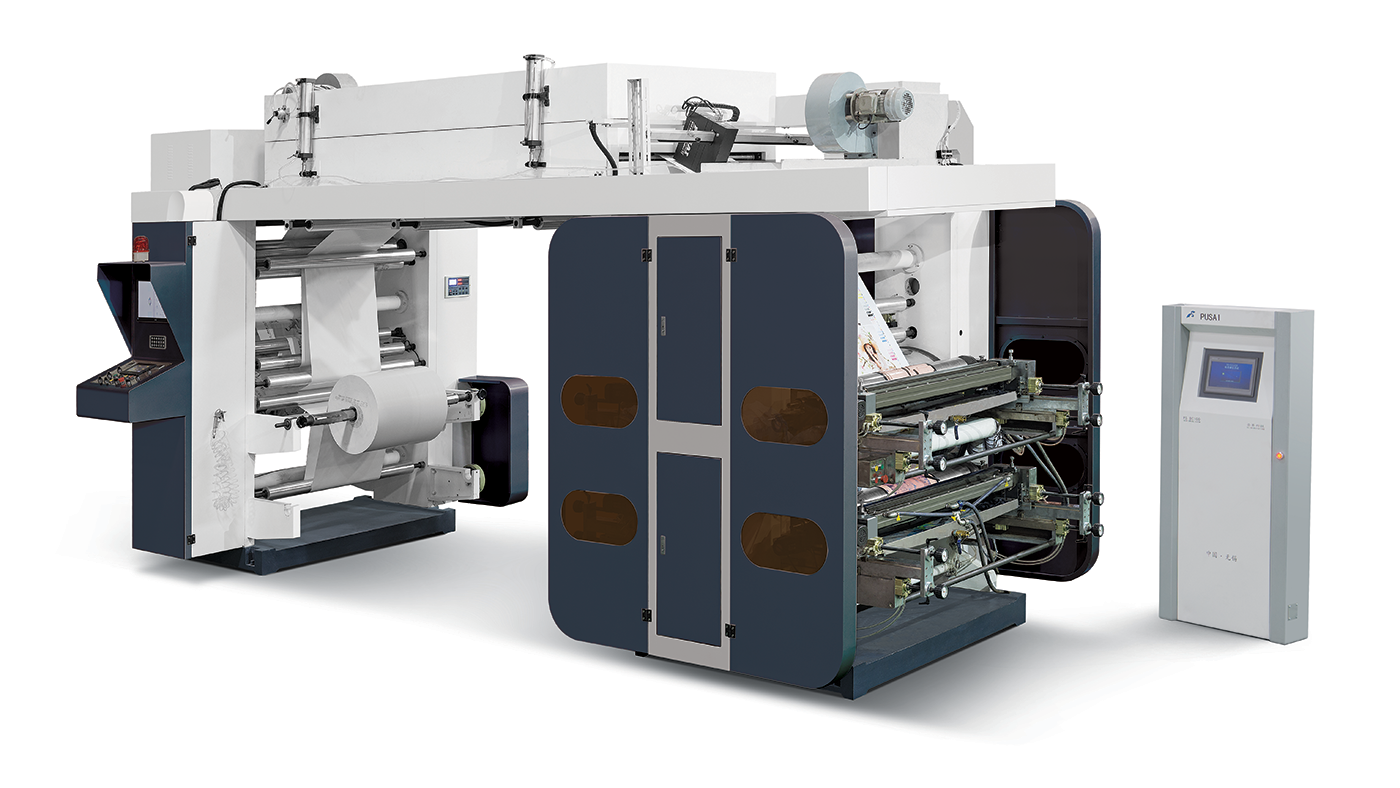
The Challenge of Geometry and Demands of Alignment in Specific Zones
How Do Cup Taper and Surface Curvature Affect Standard Repeat Patterns?
The challenges in geometry when it comes to paper cup printing machinery are significant. When working with ongoing shapes, instead of flat surfaces, some degree of distortion is unavoidable due to both conical taper and surface curvature. Standard repeating patterns will get misregistered when printed on these cups. Designs will be printed on different areas of cups due to the fact that the cups will get narrower toward the bottom. Printed cups will get stretched too much in the top area and not printed at all in the bottom area. Faded printing, misaligned logos, and blurred text are all symptoms of the printing process. The end result is the brand image that suffers due to the use of high quality printing plates. This problem is made worse by the fact that production lines often run faster than 200 meters per minute. When errors multiply at such speeds, they lead to malfunctioning and aesthetically unpleasing products.
Sub-Millimeter Repeat Precision Is Required in Critical Print Zones
This document focuses on four critical print zones and the importance of precision when registering the print zones. The first print zone in a bleed zone must extend past the cut lines. A print zone that goes into the bleed zone enables the cutter to remove a trim line instead of leaving a white cut line. The second zone is the safe zone. Print zones in the safe zone may protect important artwork from being cut away, but they may also create the appearance of a design that is incomplete. Third is the sealing zone. The ink adhesion in the sealing zone is critical to the sealing functionality of a package. The last critical zone is the bottom folding zone. The bottom folding zone is critical because a bottom folding zone that is not aligned can render the whole package structurally incomplete. Many governing bodies (e.g., FDA, ISO 2846-1) and the packaging industry have published guidelines governing the repeat lengths of print zones in packages, and they fall within the range of +/- 0.3 millimeters. This is why manufacturers must adjust their equipment in accordance to the design of the package. This is also why packaging cup manufacturers have a problem with inconsistencies in design, performance, and compliance with regulatory standards.
The Mechanism: Interdependence of Cylinder Circumference, Tension, and Repeat Length
Why Printing Cylinder Diameter Directly Determines The Base Repeat Length In Flexible Paper Cup Printing Machines
The circumference of the printing cylinder is one of the main factors of repeat length when it comes to printing on flexo paper cups. This is because the printing cylinder is the one that dictates the number of times a design is repeated. For every complete revolution of the printing cylinder, there is an image pattern that is printed on the surface of the cylinder, and the distance that is printed is equal to the circumference distance of the cylinder. Circumference is calculated using pi and the diameter, so a 300 mm printing cylinder, for instance, will create a repeat pattern of 942 mm every single time. The only way to change this is to swap out the cylinder for a different one, and as a result, it becomes increasingly important to get the measurements during pre-press correct. In this instance, the number of times a cylinder is printed is directly proportional to the number of times an error is repeated in the calculation. Large scale printing will create cumulative errors if the calculation is off by even 0.1 mm. This explains why, despite the fact that printing in other parts of the process has improved a lot, most of the manufacturers still use custom made cylinders when it comes to printing different cup designs.
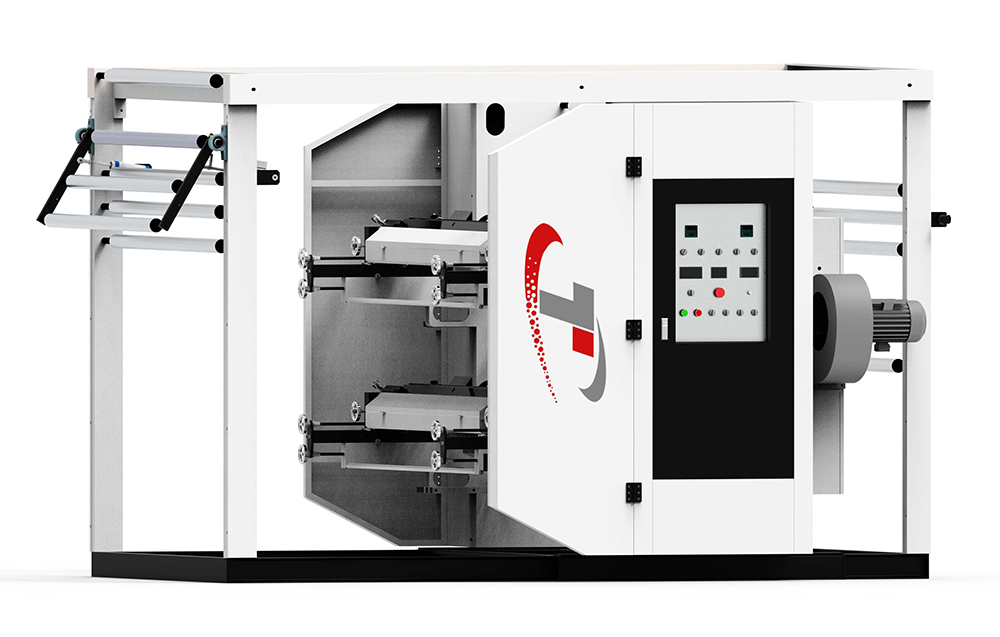
How Substrate Stretch and Tension Variability Affect Repeat Consistency Across High-Speed Runs
When the paper substrate is under tension and environmental stresses, its response is predictable but troublesome. Running speed increases above the 200 m/min threshold, cause tension inconsistencies that stretch the material between 0.2 to nearly 1%, and this is translated above 2 mm stretch distortion at the end of each printing cycle. Things are even worse with hygroscopic expansion due to moisture variations, inconsistent thickness of the paper substrate, and the varying gaps of the unwind rolls. These factors overwhelmingly cause issues to the repeating patterns on the cylinders to become distorted, resulting in defects, which include the apparition of false images, merging of colors, and the complete absence of some parts of the image. Despite the ability of modern high-tech servo systems to regulate stretch within 1%, operators are still required to monitor the humidity, thickness of the paper, and the web tension if they require precise alignment to minimize material waste.
The Consequences of Industry Registration and Repeated Custom Calibration Waste.
A custom repeat calibration unaddressed geometric distortion creates a lot of operational inefficiencies. With repeat setups, bottom folds and sealing zones risk leaks and structural weaknesses creating meshing, distortion, and unappealing off-center logos, and blurred images. These defected prints, and branding damage cause:
Material waste of 15-20% from prints that are not registered and are discarded before shipment
Loss of Overall Equipment Effectiveness (OEE) due to unplanned downtimes from needing to recalibrate prints.
Increasing rework costs, which means redoing defects batch prints that consume additional labor, energy, and ink.
The 2023 Packaging Insights industry analysis reprint repeat length mismatch waste and claim it is responsible for more than 30% of waste for paper cup printing and costs 8-12% profit loss every shift. Essentially, 1 mm that is not adjusted for repeat error increases waste in volume, so a small error drives scrap volume.
The Advancement of Servo Motors and Multi-Size Configurability in Today's Paper Cup Printing Machine Technology
Older model systems forced people to manually change out cylinders to make different size cups and, in turn, locked production lines to one size per run. New servo driven systems have completely removed this restriction. With smart motor controls, manufacturers can make real-time adjustments to rotate cylinders, change imprinting pressure, and modify substrate tension so they can run small 8 ounce espresso cups and, without stopping the line, switch to big 24 ounce smoothie containers. Last year's TAPPI Journal article stated that the most advanced systems achieve alignment of 0.5 mm or less when changing size configurations and have an 18% lower material waste than older systems. Even staff are badged to have their own IoT sensors to track individual performance. They also monitor the forming section and report to the central control system for even tighter control of the process, which the engineers call "closed loop control" so that even when the system is running at 200 cups per minute the quality remains the same.
The Solution: A Practical Workflow to Specify and Validate Custom Repeat Length
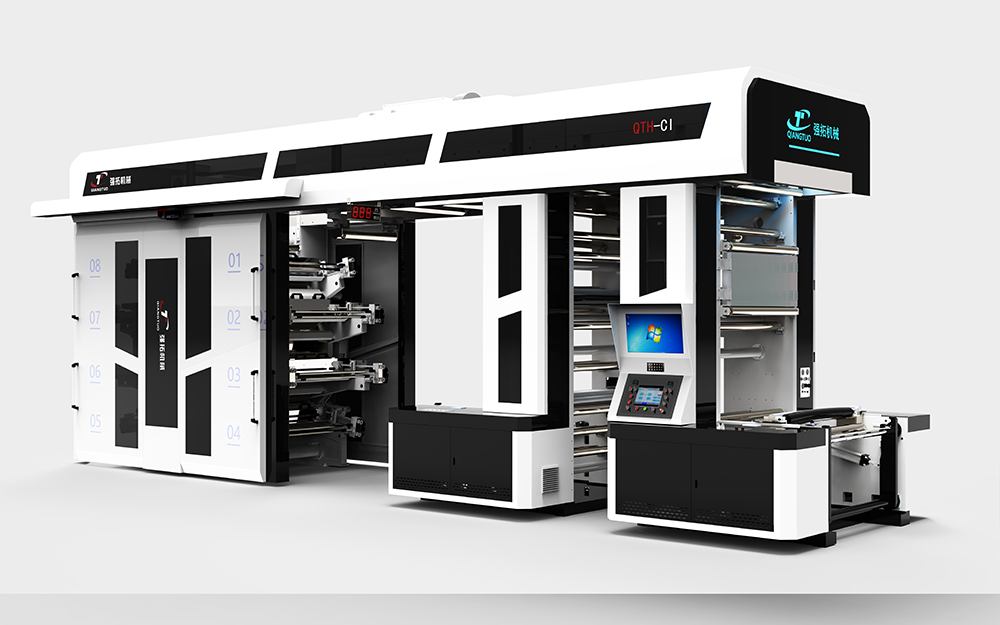
From 3D Cup Scan — Geometry-Based Calculation — Cylinder Engraving Specification
Precision starts with measuring. A 3D scan captures and measures detail about critical features like tapers, curves, and bleed zones, safey margins, seals, and bottom folds. Then, a specialized software predicts material stretch, moisture response, and tension through and estimates cylinder geometry to determine the best repeat. The output is an engraving guide specific to a machine which is built to make plate cylinders. During engineering runs which simulate production and can exceed 300 cpmm, this system is tested. Alignment and repeat busting remain within a small amount of space and is consistent even crossing a wide range of cup sizes. Last year's research by Packaging Insights estimates this system eliminates almost 25 % of product loss due to misalignment. Further, it provides the capacity to change product sizes on the flexo lines without any change to the print quality.
FAQ
How do cup tapers and surface curvature transpire affect print patterns?
The taper and surface curvature cause distortion of repeat patterns resulting in squishing of the pattern or stretching which leads to gaps.
What are the main print zones when printing paper cups?
Each of the critical print zones of paper cups includes the bleed zone, safe zone, sealing zone, and bottom fold zone, and each of these zones must be aligned to perfection.
How does the cylinder diameter relate to the repeat length?
The diameter of the printing cylinder determines the base repeat length. Each complete rotation of the cylinder is equivalent to one complete print of the design.
What are the benefits of modern servo-driven machines in the printing of paper cups?
Modern servo-driven machines improve flexibility and accuracy by automating adjustments, reducing the consumption of materials, and enabling the machine to change size without stopping.