
 EN
EN
Gearless Precision: How Full Servo Drives Remove Mechanical Restrictions
The Speed–Accuracy Paradox in Primary Flexographic Printing Machines
Classic flexo printers face the challenge of more rapid output translating to lower quality prints. At speed in excess of 300 meters per minute, the mechanical gears begin to stack registration faults, leading to distracting image shifts, misaligned components, and warped substrates. Employees in the print shop face the trade off of meeting heightened customer demands for speed or delivering subpar quality prints. In the opinion of many industry players, this trade off results in a 15% loss in the output of large production runs. Running this at high volume can be a significant loss of profit to converter businesses operating these machines.
Independent Servo Motors per Station: Real-time Synchronization Without Gears or Shafts
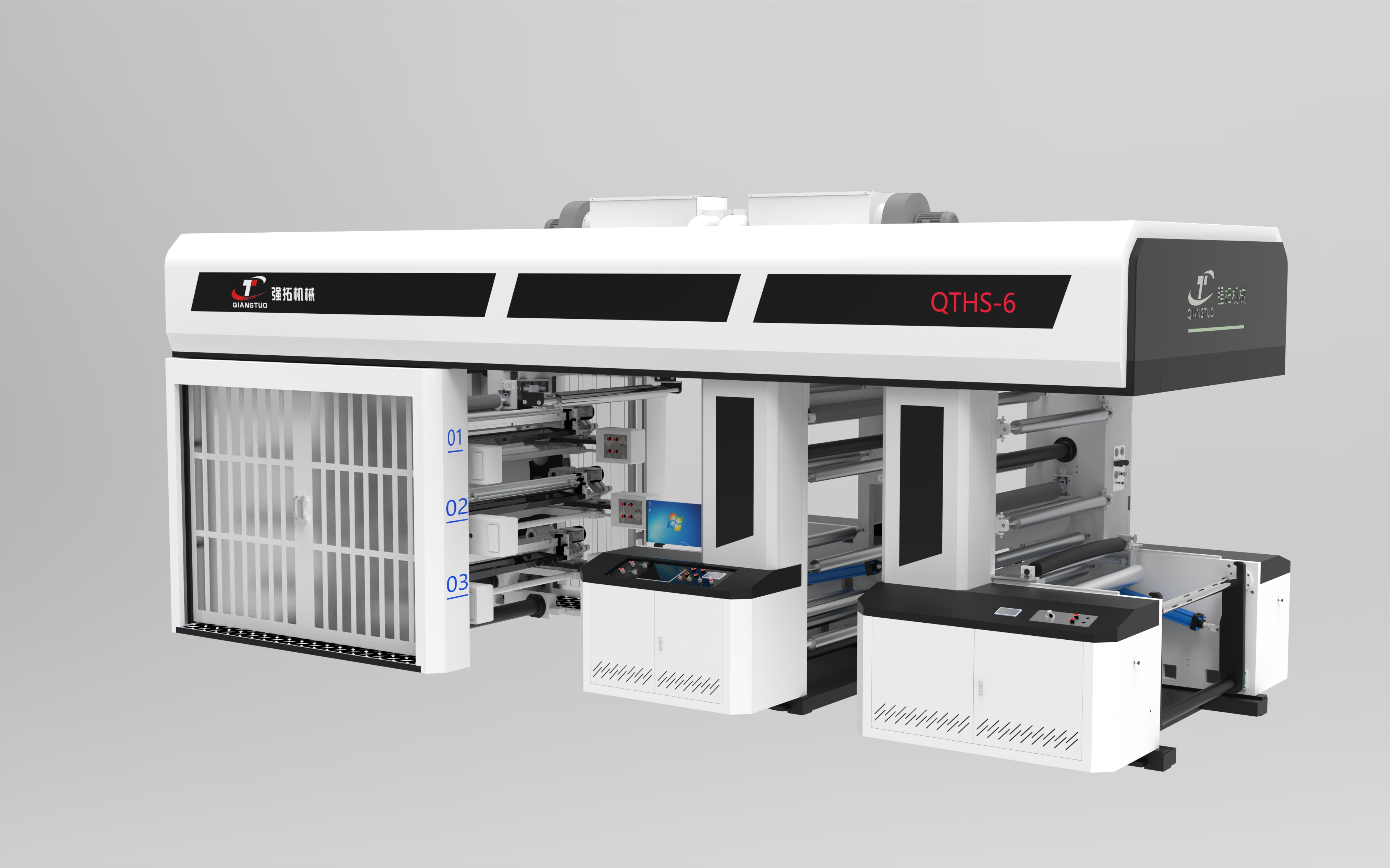
Full servo flexographic printing machines solve the paradox by omitting mechanical transmissions entirely and using dedicated servo motors at each print unit instead. This gearless approach allows for real-time micro-adjustments through digital signal synchro adjustments — negating backlash, inertia, and mechanical hysteresis. The benefits of independent motor control include:
- Instant substrate stretch and web elasticity compensation
- Dynamic registration changes of up to 10 microns
- Smooth acceleration and deceleration without mechanical shocks
These benefits allow for outputs that are high fidelity, stable, and above 800 meters per minute. Maintenance costs are also reduced by 40% compared to geared systems, per equipment lifecycle studies from the Flexographic Technical Association (FTA).
Managing Web Tension for Stable 800 m/min Production Speed
Closed-Loop Web Tension Control by Zones
Maintaining a constant web tension and uniform web tension at speeds of about 800 meters per minute requires a rapid feedback control system. The best fully servo automated presses have strategically located load cells through the web path zones of the unwind, pre-printing, and re-wind zones. These load cells provide real-time control data to their PLCs to adjust the torque of the servo motors at a rate of 1,000 per second. This feedback control system eliminates the problems associated with the control of tension, wrinkling and breaking of webs, even with the very thin and difficult webs of metallized and plastic films. Manufacturers have reported 70 percent less downtime related to tension problems when compared to the older non-servo automated systems.
Dynamic Servo Compensation for Accuracy Under 10 Microns
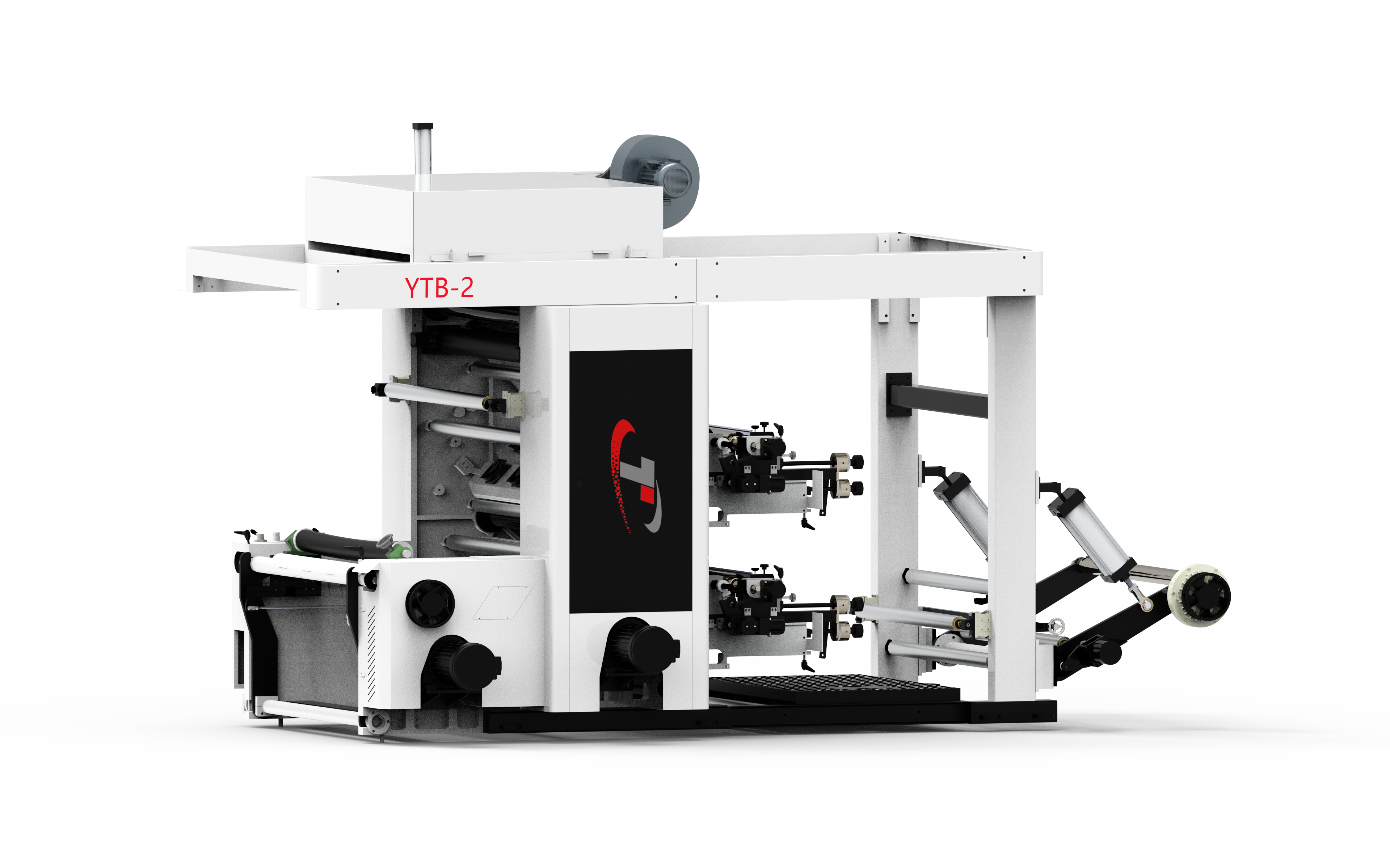
Fast machinery operation can bring about serious misalignment issues due to mechanical backlash. Modern printing systems have come up with a solution to this problem called dynamic servo compensation. Each printing station is equipped with its own motor for real-time micro-adjustments to overcome misalignment. These adjustments are made in response to a number of variables, including optical registration marks, print material stretch, heat variations, and changes to speed. All of these variables are monitored with high precision machine vision cameras with a 5 micron resolution. When a misalignment is detected, the servos are activated to make adjustments in milliseconds. Printing shops can achieve an accuracy of ±0.1 mm. Little to no registration drift problems can be expected, resulting in no wasted materials.
Satellite Structure + Complete Servo Integration: Stability Edge for High-Speed Flexographic Printing Presses
Satellite flexo printing presses have a central impression cylinder configuration where all printing stations revolve around a single large steel drum. This configuration provides excellent mechanical stability even at speeds exceeding 800 meters per minute. When independent servo motors are added to printing stations, the whole configuration can make real-time adjustments to servo, heat expansion, material extension, and dynamic weight variations. This is particularly impressive as under full-speed high-volume printing, the configuration can achieve a net vibration level of 0.05g, regardless of the printing material and speed.
This integration addresses three key stability issues:
- Web contact centralisation: A central impression drum design creates even nip pressure which prevents 'web whip'.
- Resonance patting: Servo driven units dampen the mechanical resonance of the gear train.
- Temperature stability: A closed loop system keeps the drum temperature constant with a variation of ±0.3°.
FTA tests have shown that synergy reduces ghosting and slurring by 62% compared to stacked design. For converters focused on long label runs on thin films or metallised substrates, the ROI includes:
- ≥ 98.5% operational uptime at speeds greater than 250m/min
- 40% improved anilox roll lifespan
- Down to 0.25 micron registration consistency over continuous 12 hour runs
Additionally, direct drive servos provide the capability to correct tension instantly which is essential for label production that has to meet 100% inline inspection compliance, particularly for pharmaceutical label runs.
Smart Automation: Enhancing Labels Production Efficiency and Reducing Changeover Periods
Fully servo flexo printing machines include Industry 4.0 automation and redefine the standards of efficiency in label production. By digitising workflows and removing manual processes, changeover time can be reduced by as much as 70% and operational uptime can increase significantly allowing production to respond quickly to time-sensitive batch printing.
Automated Sleeve Positioning, Ink Zone Calibration and Job Recall
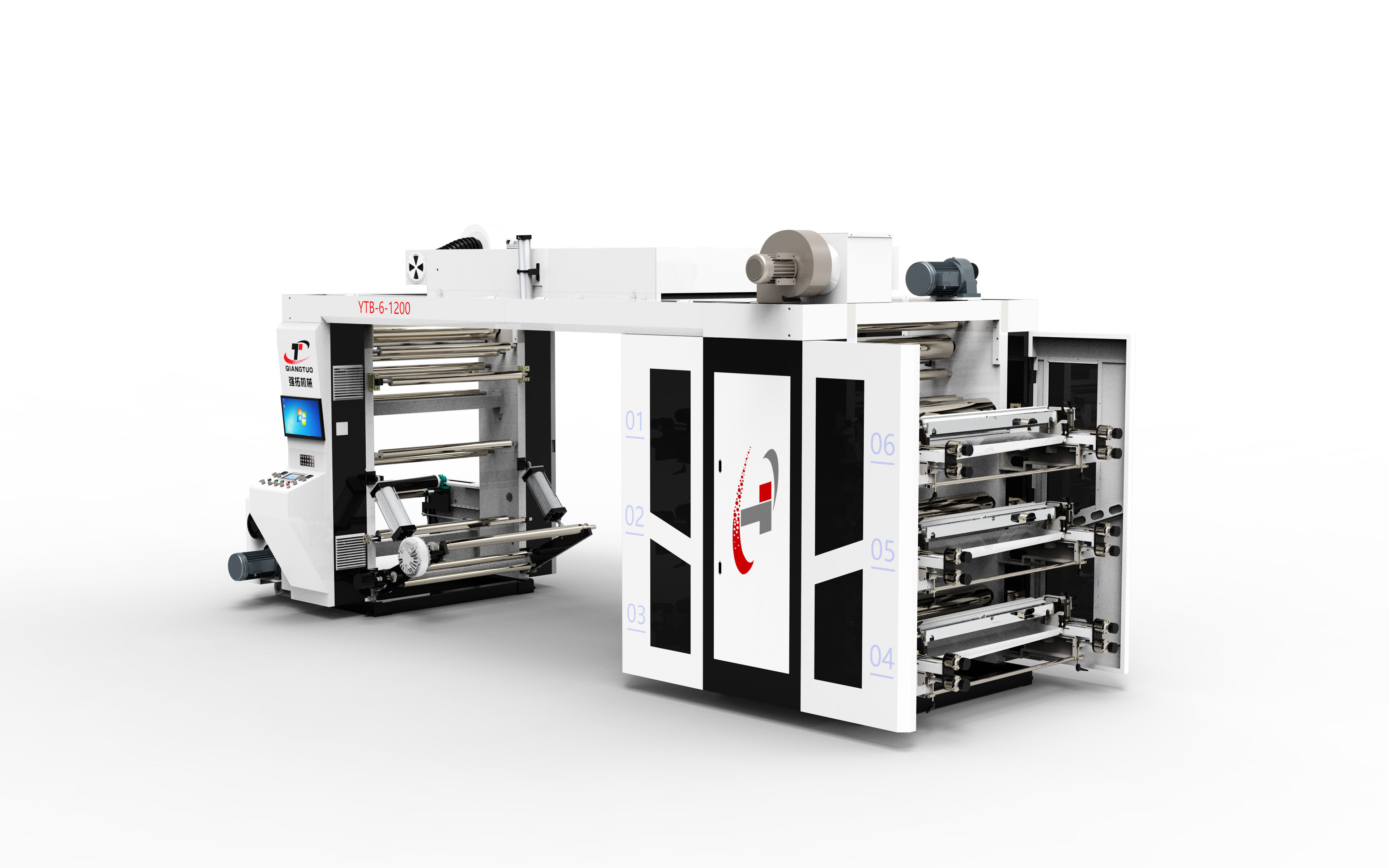
The motorized sleeve mounting system provides an accuracy of 0.05 mm for aligning printing cylinders, removing a large portion of human error and greatly reducing setup time. For ink management, our closed loop systems monitor both viscosity and density of the ink. The system adjusts dosing and mixing on its own, maintaining color consistency throughout the print job. The ability to digitally store jobs has transformed the industry. Libraries store the complete press setting information, such as servo offsets, tension profiles, and registration marks, enabling instant access and updates. What once took a long time to do, is now accomplished in under five minutes, all while the press maintains a speed of over 300 meters per minute. Job change systems report 30 percent less waste compared to older systems.
When integrated with IoT sensors, self-modifying workflows can be created. For example, if production registration begins to drift, the system automatically enables dynamic compensation while the web continues to run. This minimizes material loss and prevents unplanned production delays. Also, the system's onboard diagnostic tools can detect excessive wear and tear and offer predictions, prolonging the time to the next maintenance interval. Packaging engineers documented that, on average, components wear 40% slower than before. For the manufacturing operations that run day in and day out, that’s an improvement worth having.
FAQ Section
What is the main benefit of using full servo flexographic printing machines?
Enhanced print quality at increased speeds, reduced operational costs and waste, and improved maintenance intervals are the main advantages of using full servo flexographic printing machines. These printing machines incorporate real-time synchronization and dynamic printing adjustments to provide increased accuracy.
Can you explain how full servo technology helps improve registration accuracy?
Through dynamic servo compensation, registration accuracy is improved with real-time adjustments to factors like variations in speed or stretch of the substrate. Registration errors are corrected on the fly as the system imparts real time adjustments for alignment. This step forward in technology results in better registration accuracy.
What is the impact of smart automation in these printing machines?
Full servo flexographic machines with smart automation functionality optimize the workflow with aligned digital processes. This includes reduction in changeover time, increase in uptime, and improved agility to meet the deadline of the packaging. Overall, smart automation leads to better efficiency in the operating cycle.