
 EN
EN
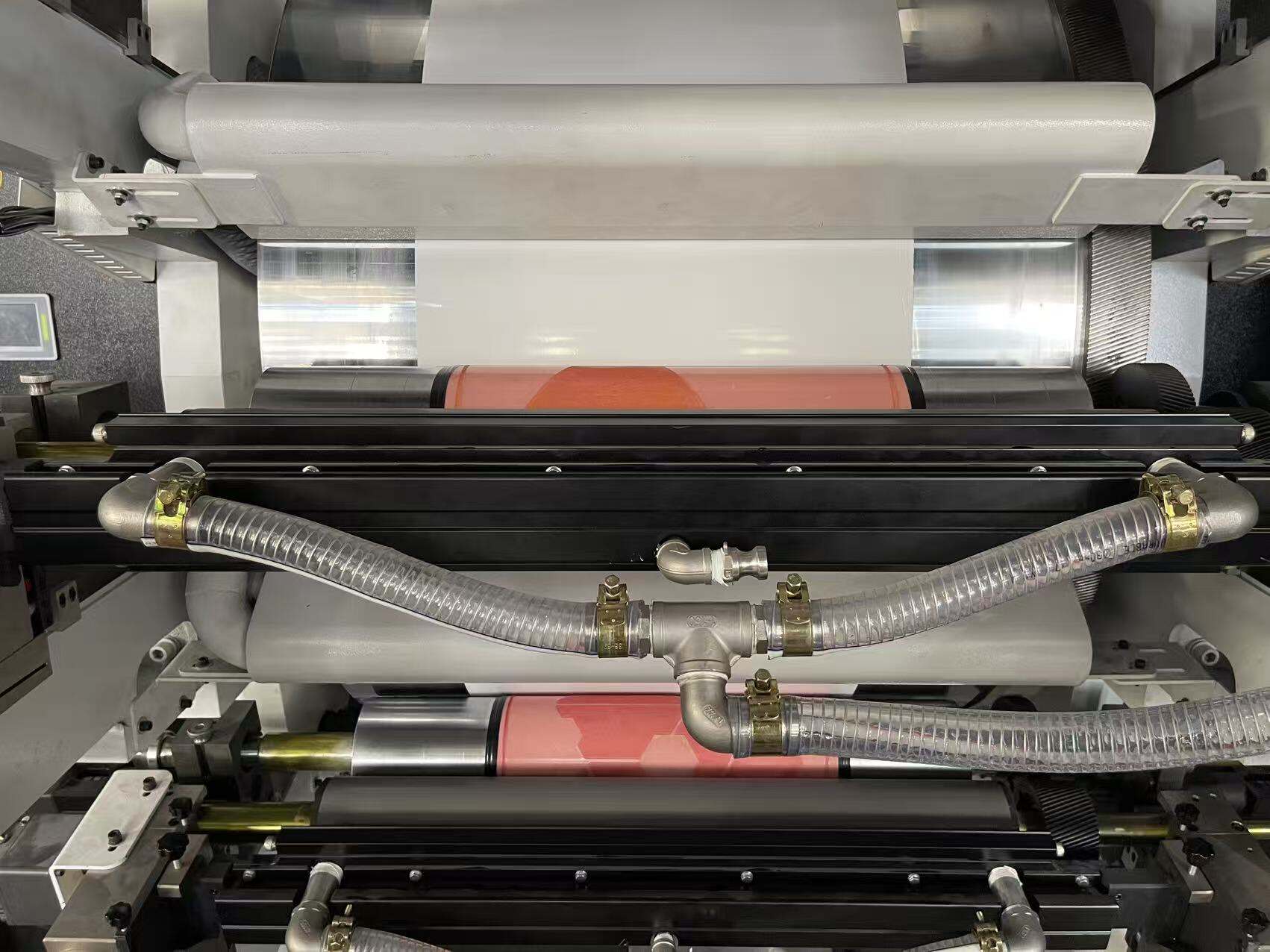
Reasons Why Color Misregistration Happens When using a Fully Automized Paper Printing Machine
1. Material Reasons: Paper, Moisture, and Web Tension Changes
The paper's tendency to absorb moisture and change dimensions is a problem. Paper's tendency to expand or contract by as much as 0.3% depending on changes in moisture or humidity directly alters its registration accuracy. Changing the web tensions adds to the problem by causing a shift across the print units. Recycling paper, which is usually low in dimensional stability, increases changes and alterations in printing systems as the changes multiply with more paper printed.
2. Mechanical Reasons: Tear and Wear, Pull Stain, and Press Float
The only issue here might actually be the (±0.1 mm) presumed tolerances. Frictional heating the press pull alters the nip. Rollers operate with tolerances that are not more than 20 µm, are not visible to the eye alterations that are repeated changes. These changes in tolerances alter printing pressures. The suggested tolerances print shifts in colors even when the changes are less than 0.5 mm. To address this issue, inertial forces are used.
3. Operational Reasons: Changes in Work Rate, Changes in Work Stopping and Starting, and Excessive Pull Ink
In the event that exigent changes show a series of violations there is a need to alter the control scheme to provide a solution. Variation of the registration induces loss of continuity, as does the speeding and slowing of the work through the press. Constant changes of the work through the press cause the sub systems and layout systems registers to become calibrated through the work. Excessive pull, alter the parameters of geometry of printing. To address these changes of multiple systems, balance of work in various states is needed.
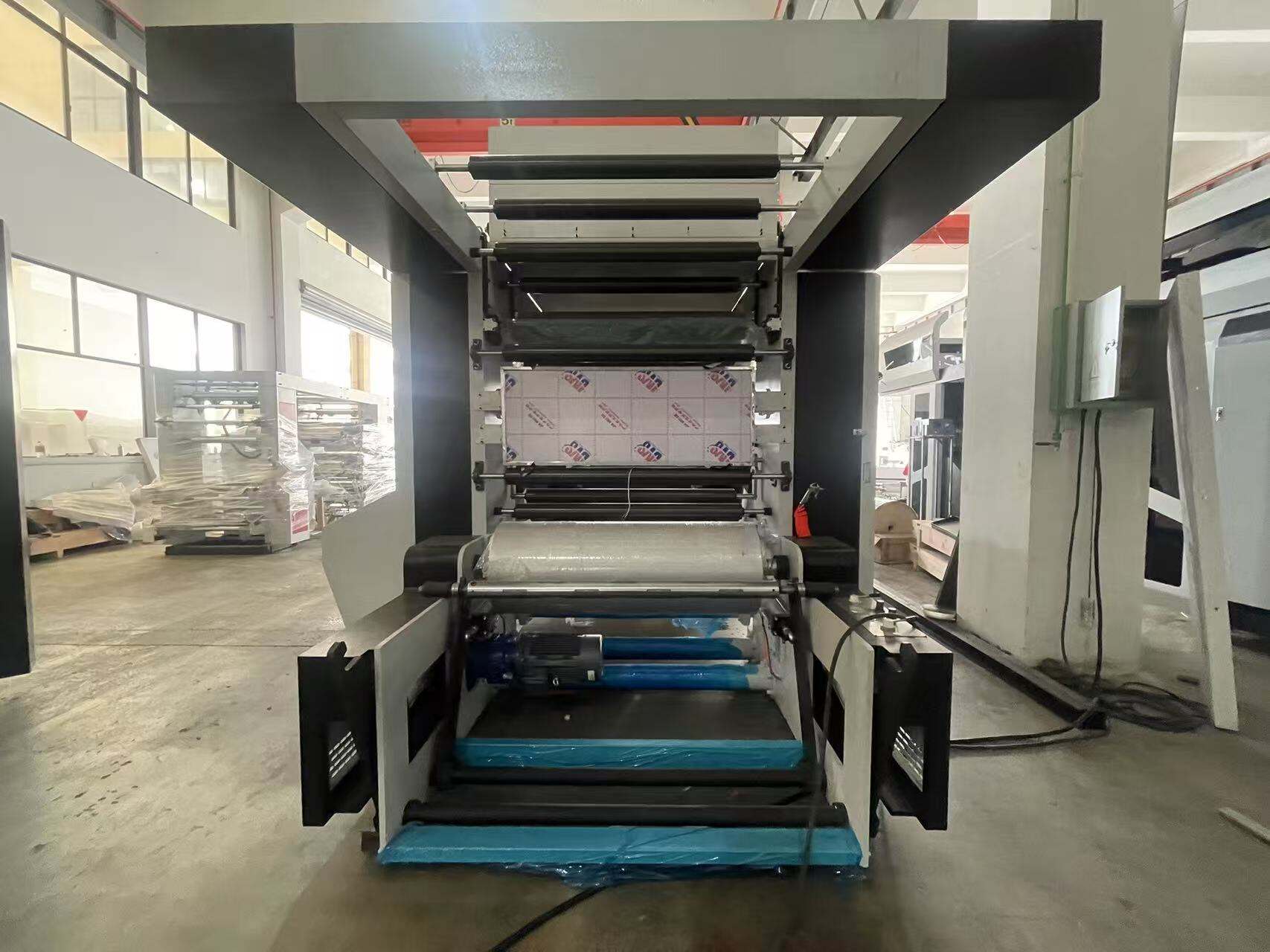
Mechanical Registration Systems: Comprehensive Guide
Precision Mechanical Solutions: Register Pins, Lay-On Systems, and Servo-Driven Dancer Rolls
There are three main services involving the use of Mechanic Registration: employing pinch stops to ensure print unit sheets are flush, use of precision rollers to minimize paper slip, and the use of roller dancer sets to eliminate differential paper tension due to moisture and elastic changes.
Optical Systems: Anslyn Mark Recognition Algorithms
Modern optical systems provide easy, and contactless, ways to monitor the Mechanic assists, and provide several additional features. Optical systems are an excellent example of this which use several high resolution cameras to photograph fids-up marks at a speed. Integrating these two systems provides continuous monitoring of the systems reliability and efficiency while the machines offer fully automated adjustments.
Smart Feedback Loop and Real-Time Automated Correction Process
Closed Loop System Control: Sensor Feedback and Adjustment
The majority of modern printing machines use closed loops to maintain registration accuracy. The optical sensors read the markers running at the maximum line speed. The controllers calculate the positional error, measured in microns, and send the corrective command to the servo actuators to reposition the plates, rollers, or impression cylinders in under 50 milliseconds. Other trade-off decisions are made to adjust the controller gain to avoid persistent oscillations and synchronization of the encoders to the controller. The closed loop, which measures the error, corrects, then verifies works continuously to compensate for drifts, dissipations, and elastic tensions.
Compensation of Paper behavior Using and AI Predictive Model
Interestingly, the compensation system goes beyond simply reacting to stimuli. The majority of machine-learning models are primarily used to correct the behavior caused by the substrate. In this case, the use of paper models for predictive compensation requires an understanding of the environmental conditions. For example, paper, as governed by ISO 5636-5, causes a change in the paper dimension of 0.1 to 0.3% for every 10% change in relative humidity. Once the system learns how the environment affects the paper, the system can predict in what direction the paper will move and then correct the registration proactively. Consequently, the predictive response uses 40-60% fewer registration correction commands. This also greatly contributes to reducing production waste and enhances the economic efficiency in highly variable humidity conditions.
Comprehensive Quality Assurance: Prepress and Press Quality Control
ICC Profiles, Device Calibration, and Standardized Test Targets (e.g., ISO 12647-2)
Uniform registration begins even before the printing begins. ICC profiles create standardization of color interpretation across input devices (scanners, monitors) and output devices (plates, inks). Frequent calibrations of densitometers and spectrophotometers should be observed. The implementation and use of ISO 12647-2 test targets should sustain established objective’s baselines for dot gain, tone value increase, and color density. It establishes a shared reference framework across prepress, proofing, and press. This construct ensures there is no compounded error introduced that would mask registration problems in the downstream processes.
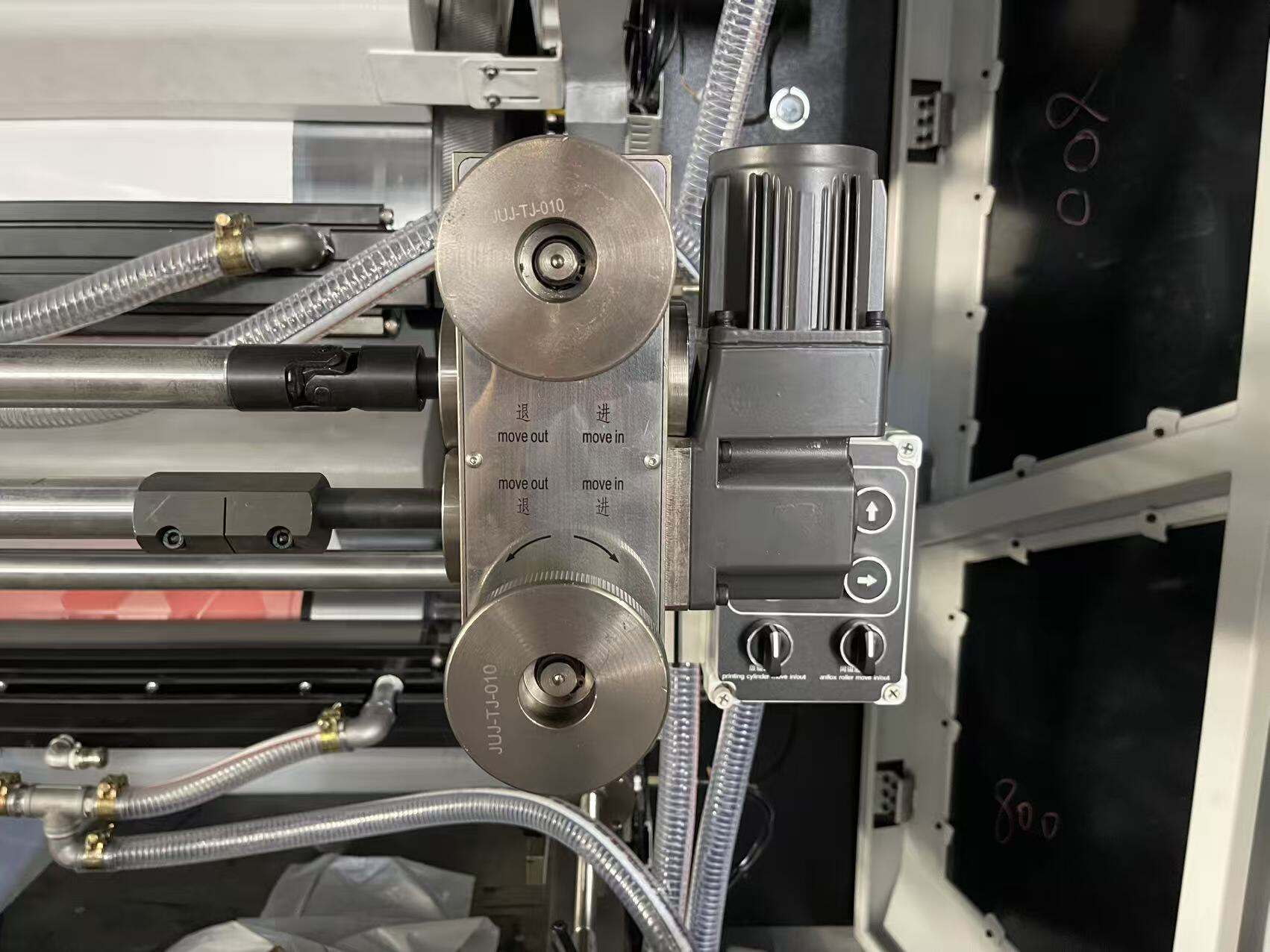
On-Press Inspection Automation and Acceptance Sampling Quality Control
Inline vision systems offer the ability to inspect and prove each sheet against the digital master reference. This automation will communicate and remediate paper defects as well as control for registration, tones, and/or streaks. Anomalies are reported to the SPC, Automated Process Control. SPC reports will determine the state of control and assure SPC. This design of quality control will reduce the level of samples and proactive quality control will increase production and reduce the level of customer complaints.
What causes registration to be off (mis-registration) in color printing?
Color registration is primarily affected by several mechanical, operational and quality control problems, to include uneven paper expansion caused by moisture absorption, gear or roller malfunction or wear, and operational challenges such as changes to print speed, and/or uneven ink transfer.
How can mechanical systems enhance registration accuracy?
Find more mechanical systems that incorporate register pins, lay-on systems, and servo-based systems to address roll dance and bolster constant sheet positioning, reduce tension changes, and control dimensional constant fluctuations.
What is the importance of optical systems, and how do they contribute to better registration?
Optical systems capture high-quality images of various registers, and these images are compared to the wished-for registers. This system performs optimizations without break time. That means it fine tunes the systems in real time.
In what terms is AI seen to be impacting registration stability?
It learns, optimizes, and predicts registers. AI is changing the paper registrar. It then learns from the changes in paper dimensions and combinations, and finally adjusts unregistered image placements to the desired location, thus decreasing instances of unregistered images.
What Quality Assurance measures/tools would you say are best to ensure that instances of misregistration are reduced?
The use of ICC profiling and pre-press calibration, reliance upon standardized test targets, use of automated on-press inspections along with SPC reporting, and an overall proactive approach to quality assurance would be of utmost importance.