
 EN
EN
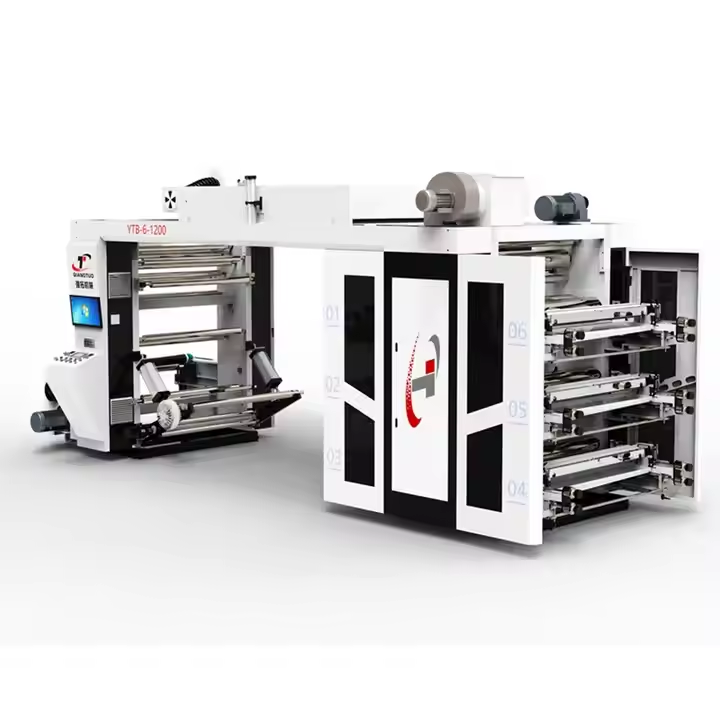
The semi-servo paper roll printing machines function utilizing a hybrid drive mechanism, combining fast-responding servo motors and custom-designed mechanical components to ensure seamless operation during all phases including paper unrolling, printing, and winding. As opposed to conventional chain and gear mechanisms, which suffer from lag and delay, this mechanism uses quick digital signaling to enable instantaneous communication and control of each mechanism to deal with paper tension changes. Self-adjusting servo rollers are able to maintain tension within +/- 0.15 mm, even at paper speeds exceeding 250 meters per minute. This results in reduced mechanical play, lower alignment problems, and overall less material waste. Additionally, each job requires a unique speed configuration which the central control system regulates, resulting in 34% reduced job change setup time compared to legacy systems. This also prevents the paper from snapping or slipping during speed changes.
Reduced Mechanical Wear and Real Time Damage Control
Replacing gear trains that work via friction with direct drive servo motors leads to semi-servo architecture reducing the number of moving parts by 60% in key areas. The result is an increase in mean time between failures (MTBF) of around 8000 operational hours. Real-time compensation anticipates production changes based on the feedback of integrated sensors:
Strain gauges measure stretch in the substrate and prompt micro adjustments of roller torque
Infrared sensors register the heating of paper causing it to expand and adjust the position of the Print cylinder
Load cells measure and adjust the tension. Therefore, control of wrinkles and tears is managed by immediate servo correction
This closed-loop system is ability to respond and maintain a proper size in flooring paper and card also means that unscheduled downtime can be reduced by 22% while print quality is maintained over long periods which is essential in repeating tasks.
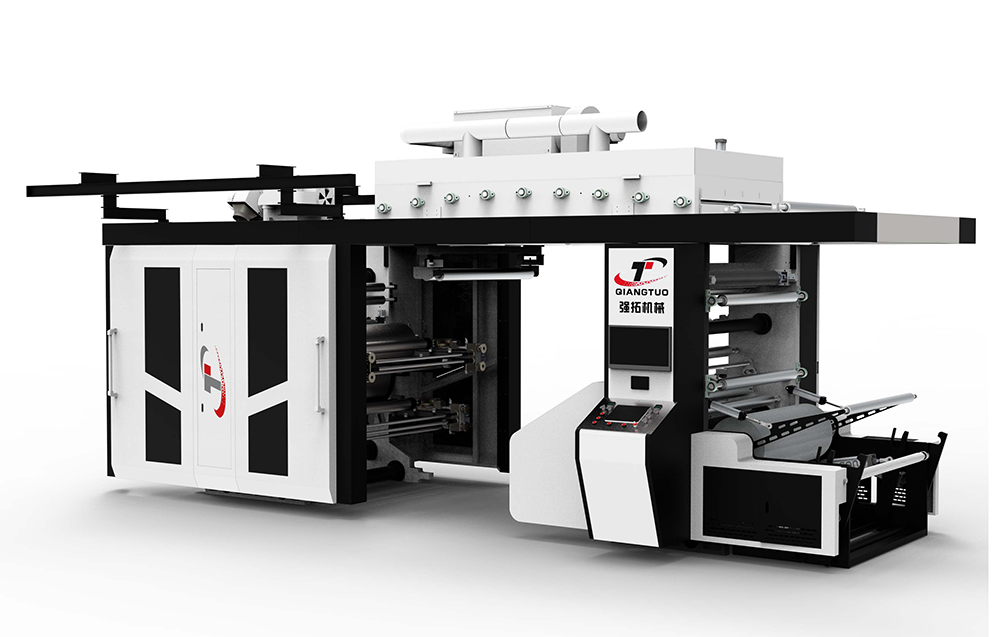
Stable high-speed operation at 260 m/min and less than 0.15 mm registration accuracy
Keeping steady production at maximum throughput and registration accuracy at less than 0.15 mm can be achieved with current and modern systems. The magic happens through real-time servos that automatically adjust for varying problems, such as paper stretch, temperature variations, and unequal tension in the paper. This streamlines production and minimizes operational adjustments, unlike older systems that needed frequent manual adjustments, run at about 200 m/min, and had worse registration control with +/- 0.3 mm. The latest systems reportedly reduce material waste by 18% for manufacturers and improves the bottom line by increasing the quality of the finished product. With these systems, optimal throughput is achieved while maintaining appropriate quality standards.
Automation Features That Keep Paper Roll Printing Machines Efficient
Automated Plate Loading, Closed-Loop Tension Control, and Real-Time Ink Feedback
There are three highly integrated automatic features that maintain efficiency while sustaining control:
- Auto-plate Loading: The robotic replacement of manual plate changes, making up an overall changeover reduction of up to 34 percent.
- Closed-Loop Tension Control: Optical sensors guide this feature to automatically adjust roller control so that wrinkles and tears are prevented, and this is achieved even at 260 m/min.
- Real-time Ink Feedback: This feature controls color variation and lessens ink usage by 17 percent.
These features work together to reduce reliance on operators while maintaining registration accuracy to less than 0.15mm. This allows for seamless throughput and specific reduction of resources.
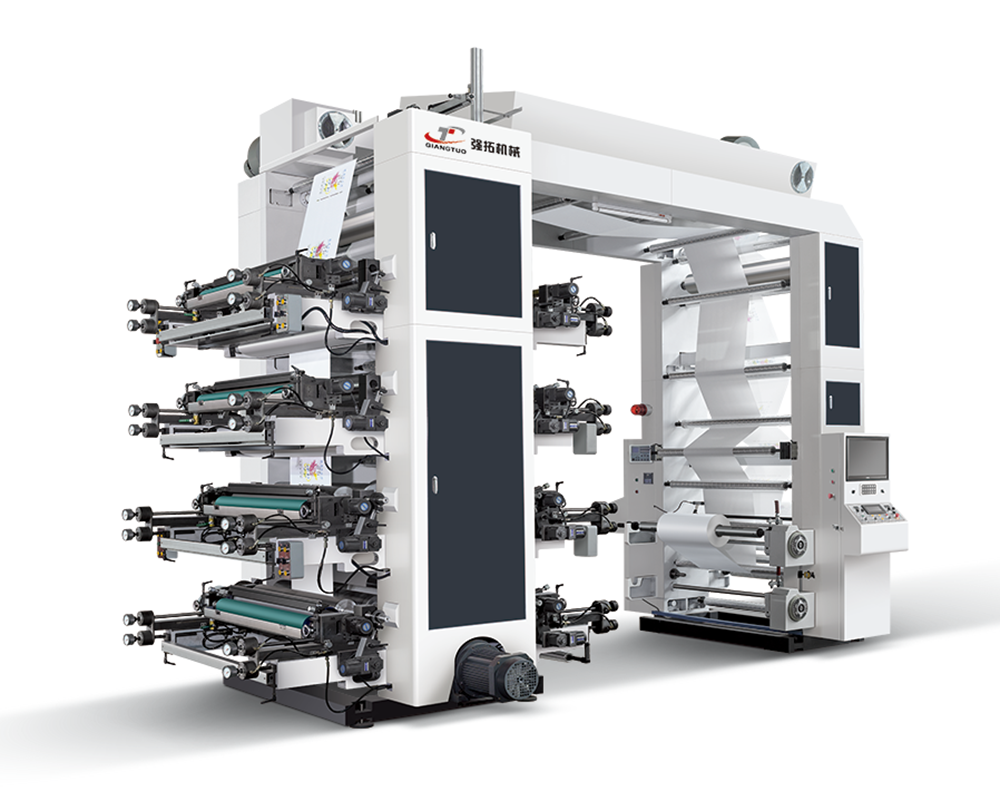
ROI Justification: Comparing Initial Investments to Long-term Operational Costs
In the case of semi-servo paper roll printing machines, there is a greater initial investment of 15-25% The industry average for machine construction payback is 18 months to 2.5 years. This is due to the following 3 categories of savings which are compounded on top of each other:
- Reduction of Labor Costs: 40% of the manual effort is eliminated by automation of the loading of printing plates and the control of the closed loop printing tension. This allows the remaining operators to be shifted into other roles that deliver greater value.
- Reduction of Maintenance Costs: Annual machine maintenance costs are lower by about $18,000 due to predictive maintenance on the lower mechanical wear.
- Reduction of substrate waste: Waste registration accuracy of less than 15 microns ensures that waste of substrate (the paper or other material on which printing is done, including roll, pouch, and tube substrates) is reduced 12-18%. This means for high volume printers the waste costs are reduced by $7,000-10,000 each month.
An average average increase of 22% in machine uptime allows the machine to be operated for an additional 650 hours of production in a year which can delay or remove the need to purchase additional equipment for the same duration. Therefore, the ROI model for the prospective purchasers of these paper roll printing technologies has to take into consideration the anticipated increase in production.
Frequently Asked Questions
What is a semi-servo paper roll printing machine?
Semi-servo paper roll printing machines are printing machines that employ a hybrid mechanism comprising both a servo mechanism and a traditional servo mechanism in order to improve printing, and reduce the mechanical wear in printing.
How does the hybrid-servo drive system affect performance?
The hybrid system combines quick-response servo motors and digital control signals for movement synchronization in printing, enhancing speed and precision, and minimizing alignment issues.
What efficiency features do semi-servo machines offer?
Notable features are automatic plate loading, closed-loop control over tension, real-time feedback on the viscosity of the ink, and other automation features that add speed, decrease manual intervention, and provide printing consistency.
What long-term cost savings does a semi-servo system offer?
The semi-servo system typically has a higher initial cost, but there are long-term savings from a reduced need for labor, maintenance, and waste, with a payback of 18-30 months as a result of better efficiency and increased operational uptime.