
 EN
Why Are Global Packaging Converters Switching to CI paper cup printing machine Systems in 2027?
For a packaging converter considering a paper cup printing machine, the practical question is not whether every producer will switch to central impression (CI) flexography. As of November 2026, a worldwide shift in 2027 has not been established. The useful question is when a CI configuration could fit a particular mix of cup designs, board stock and delivery commitments.
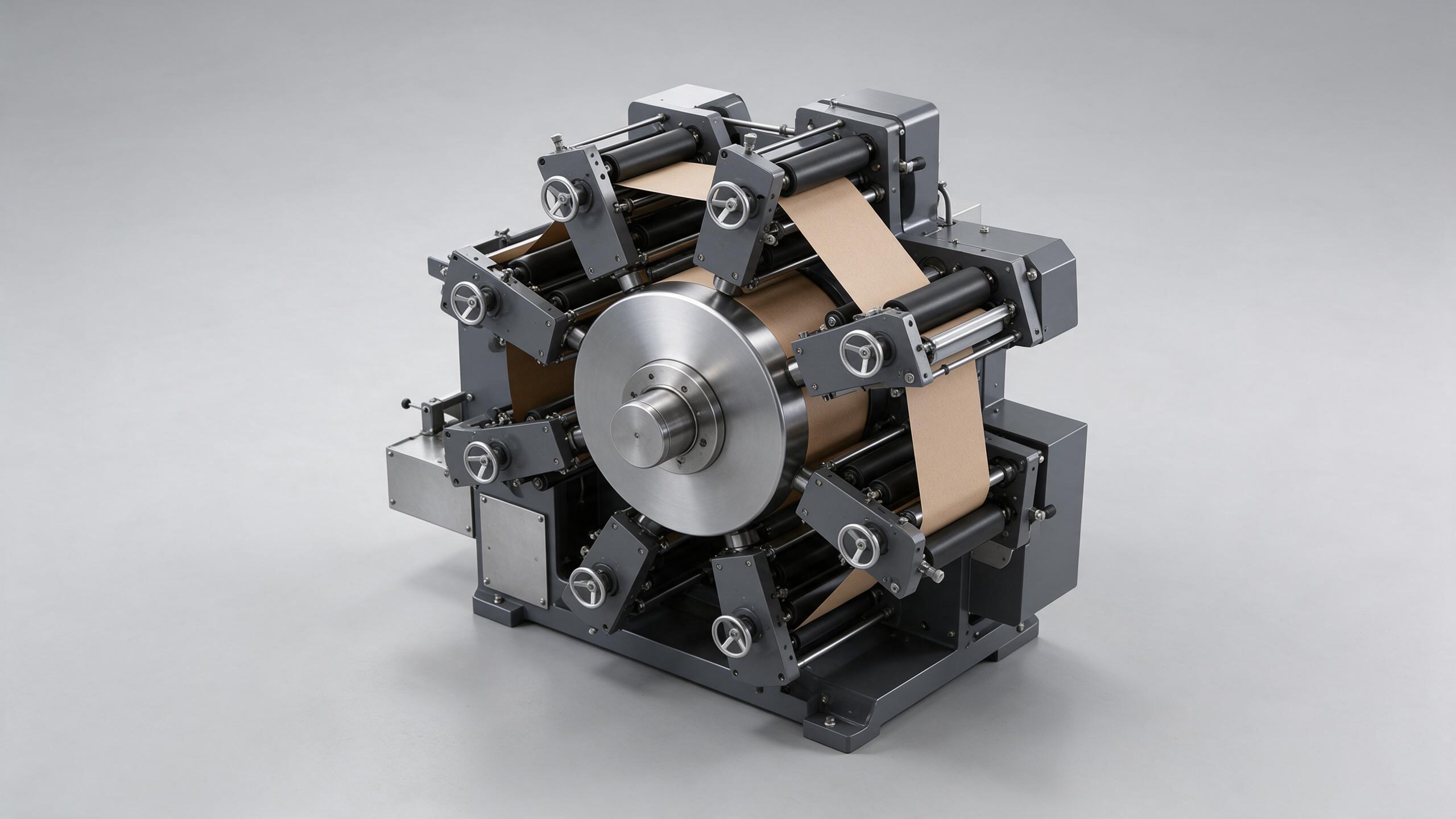
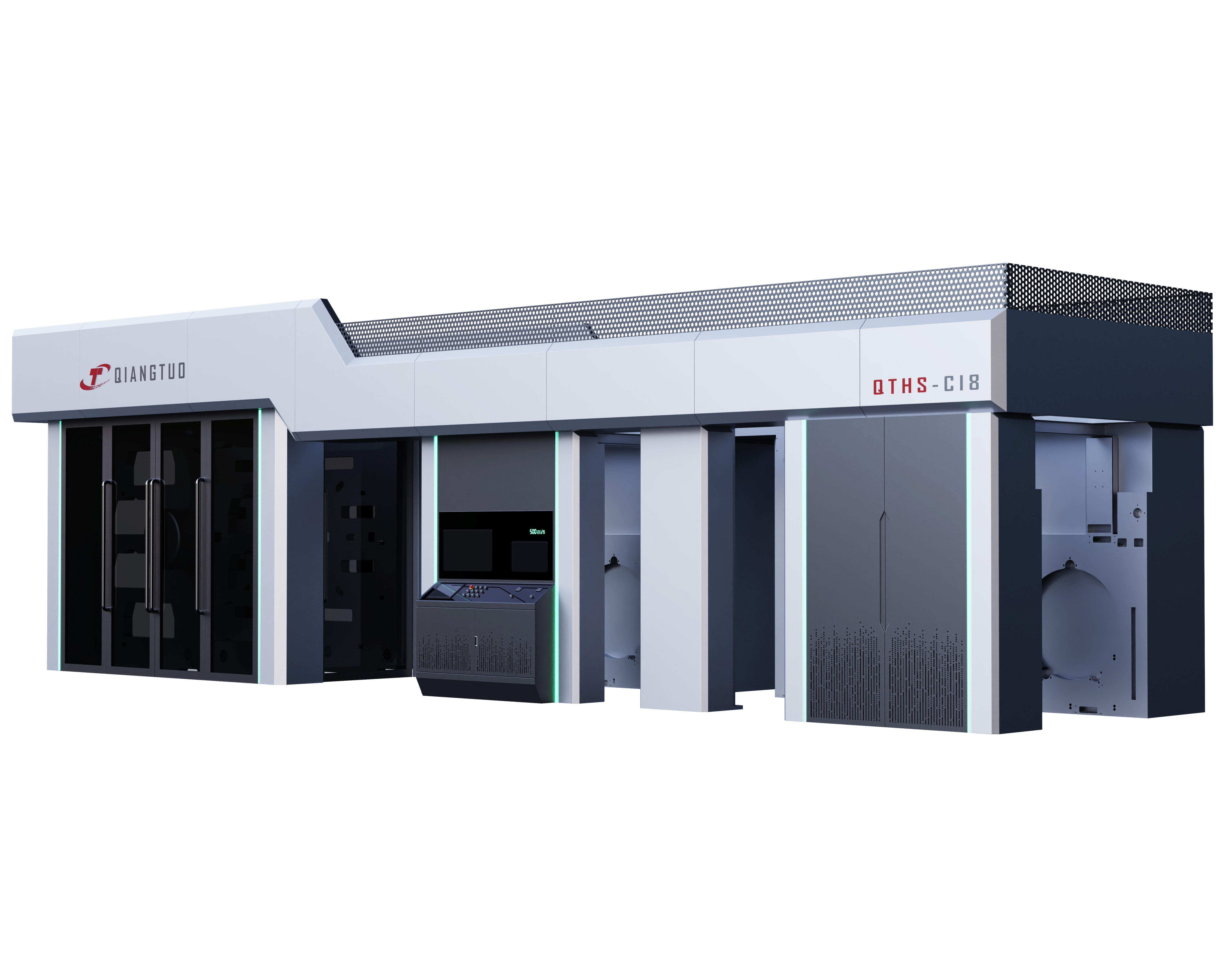
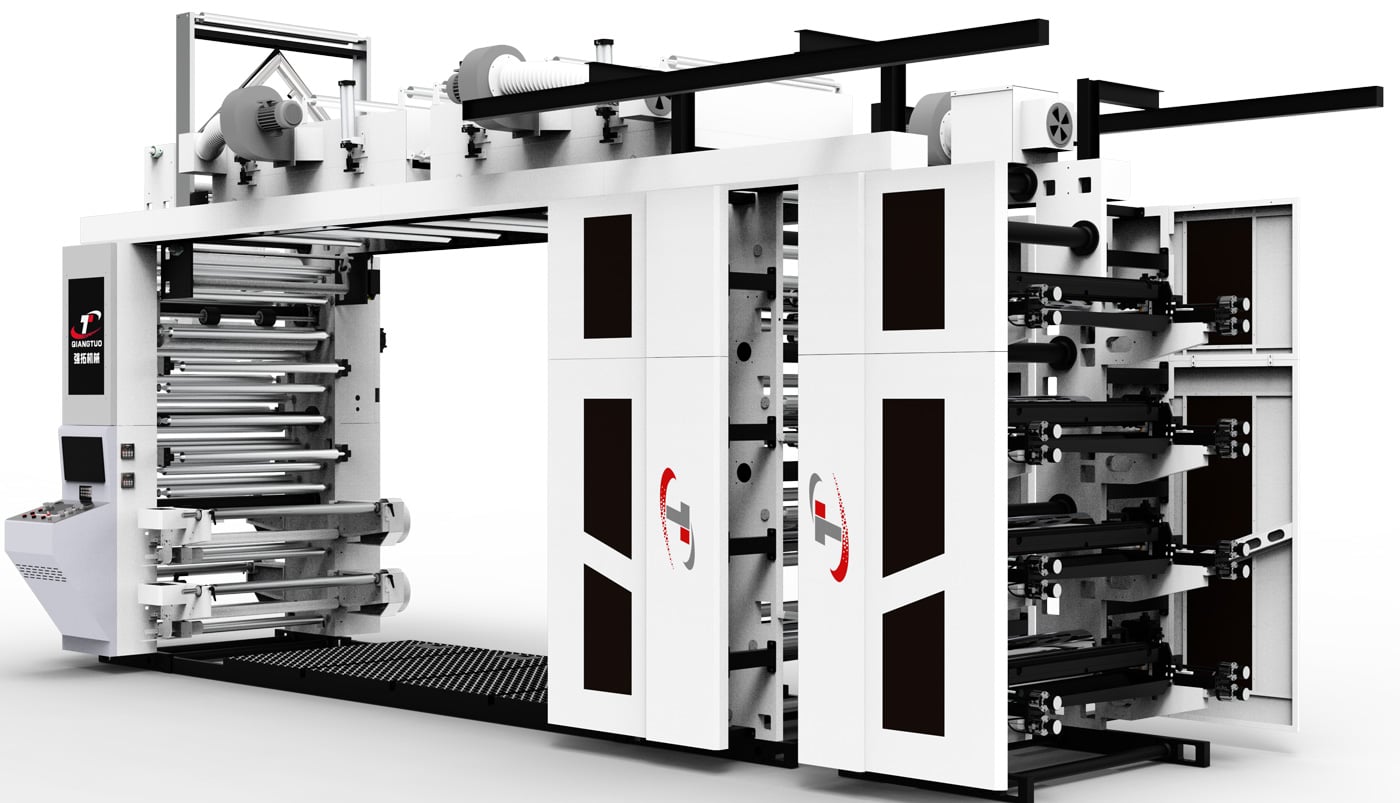
A CI paper cup printing machine places its print stations around a shared impression cylinder. That layout can support the web through the color stations, making it worth examining when multicolor alignment matters. It does not establish the quality, speed or economics of a particular installation. Those depend on the job, the press configuration and the way the entire converting line is operated.
Why might converters consider CI for cup work?
Cup graphics may combine overlapping colors, fine type and artwork positioned close to a seam or rim. In a central impression press, the web travels against a common drum as successive colors are applied. That common support can help maintain registration, particularly where material movement is a concern. A buyer should still ask for registration acceptance criteria on the actual board and artwork rather than assume a certain result from the layout.
The evaluation is broader than print alignment. A paper cup printing machine must work with the upstream roll and the downstream blank cutting and forming process. Depending on the equipment, printed rolls may move to separate die cutting and forming operations, or printing and cutting may be integrated. Ask which handoffs are included in the quotation and which remain separate. A mismatch at that boundary can affect scheduling even when the print sample looks good.
Also consider the pattern of orders. A plant producing recurring designs may value stable repeat work; a plant handling frequent artwork changes may focus on plate preparation, wash-up and setup. CI is an option to compare against other press layouts, not a shortcut to a purchasing decision.
What changes when moving from a press name to a production brief?
Board, coating and web handling
Give potential suppliers a representative roll specification: board grade, thickness or basis weight, coating, width and roll dimensions. Identify the printable face and any conditions affecting tension or handling. A paper cup printing machine suitable for one construction should not automatically be assumed suitable for another. Discuss how the web will be guided and inspected, and agree on what must be observed during a trial.
Coated board, ink and drying conditions interact. Specify whether the job uses water-based or another ink system, then confirm compatibility with the material and production environment. The relevant issue is not merely whether an ink transfers to the board; it is whether the printed result remains acceptable through winding, cutting, forming and intended use.
Artwork, registration and blank position
Provide artwork with the number of colors, repeat length, coverage and the position of critical graphics. Include cutting and forming tolerances in the conversation. A print that appears aligned on the roll can still create a poorly positioned finished blank if the print-to-cut relationship is not controlled. A trial should inspect both the printed web and representative cup fans.
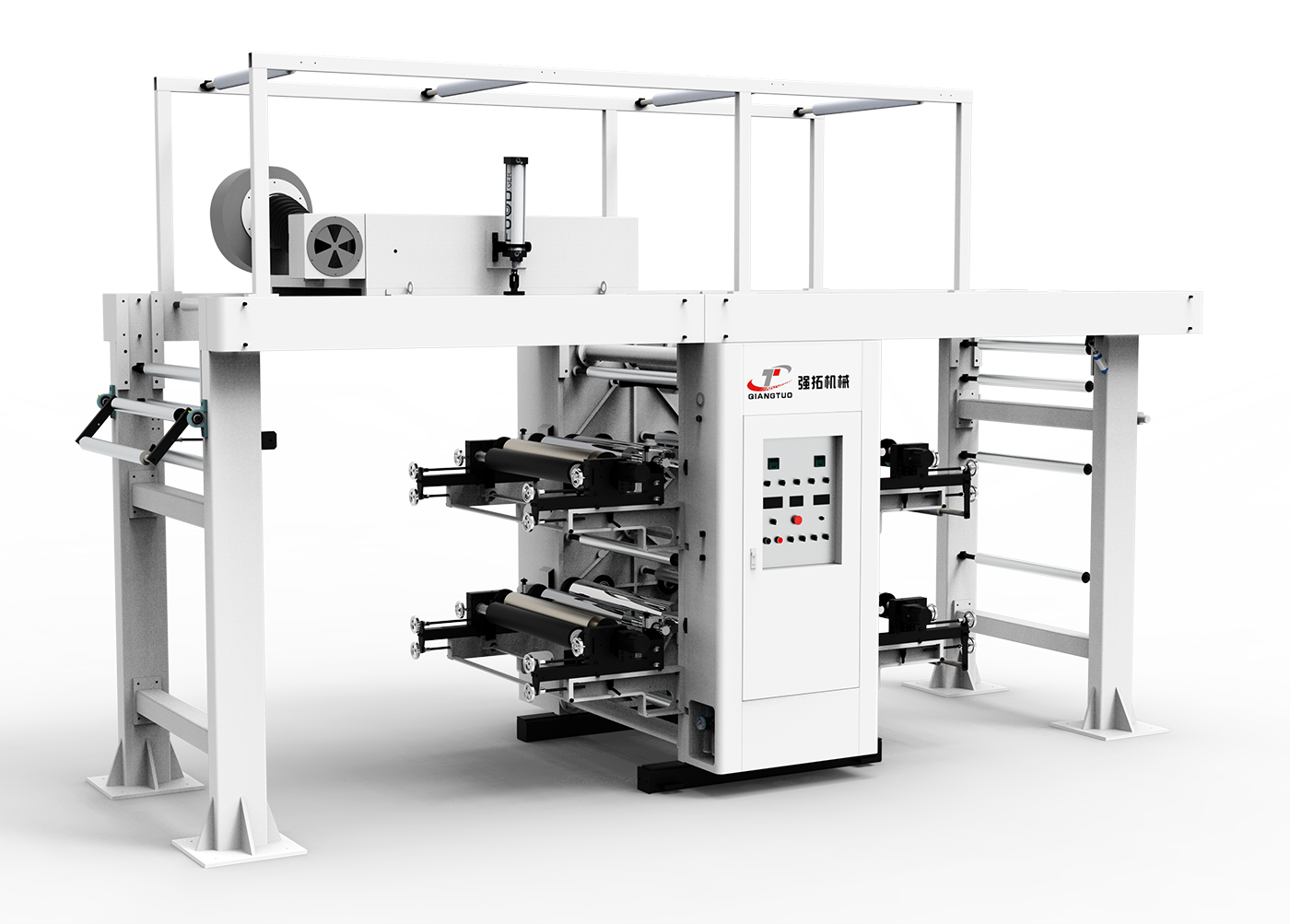
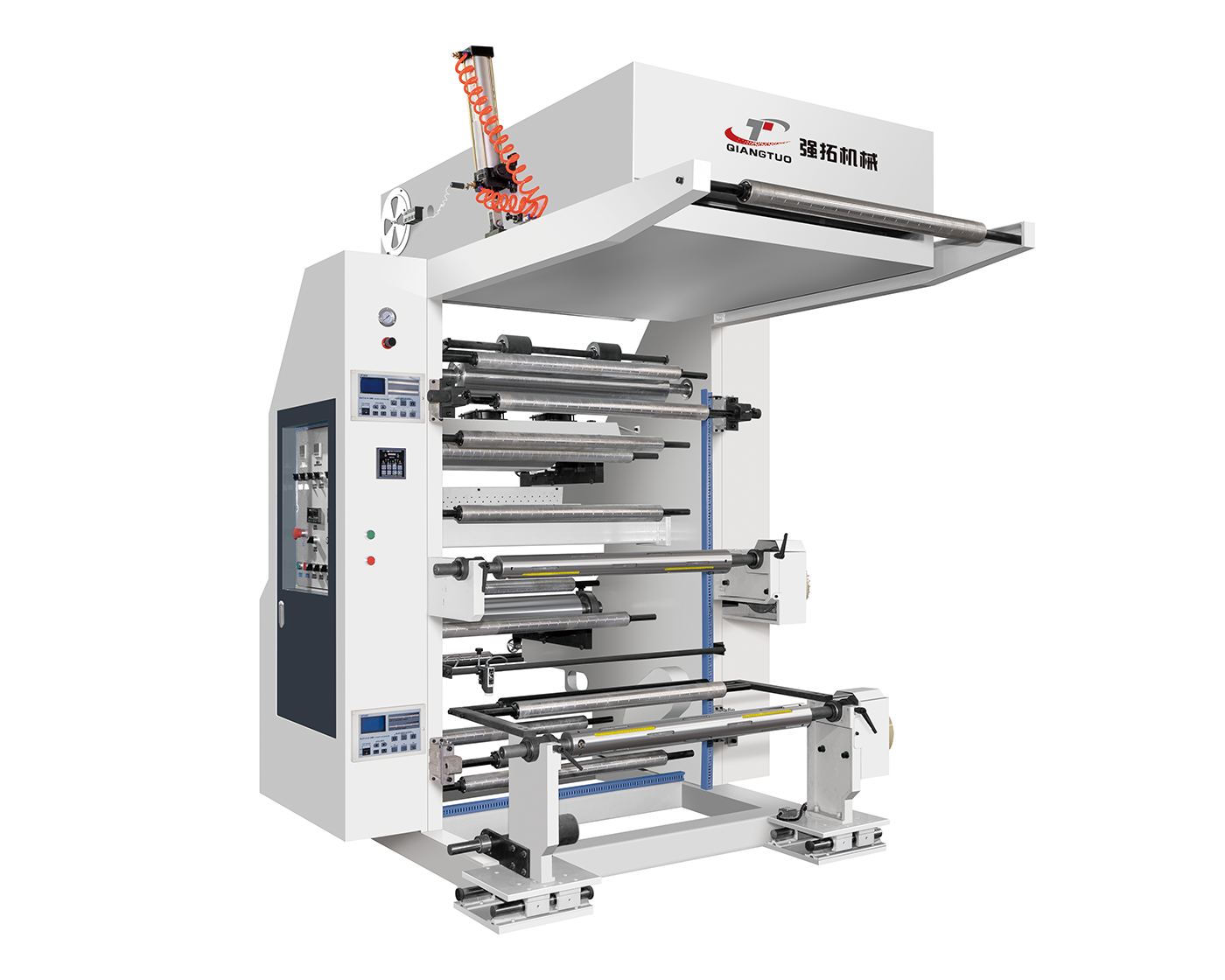
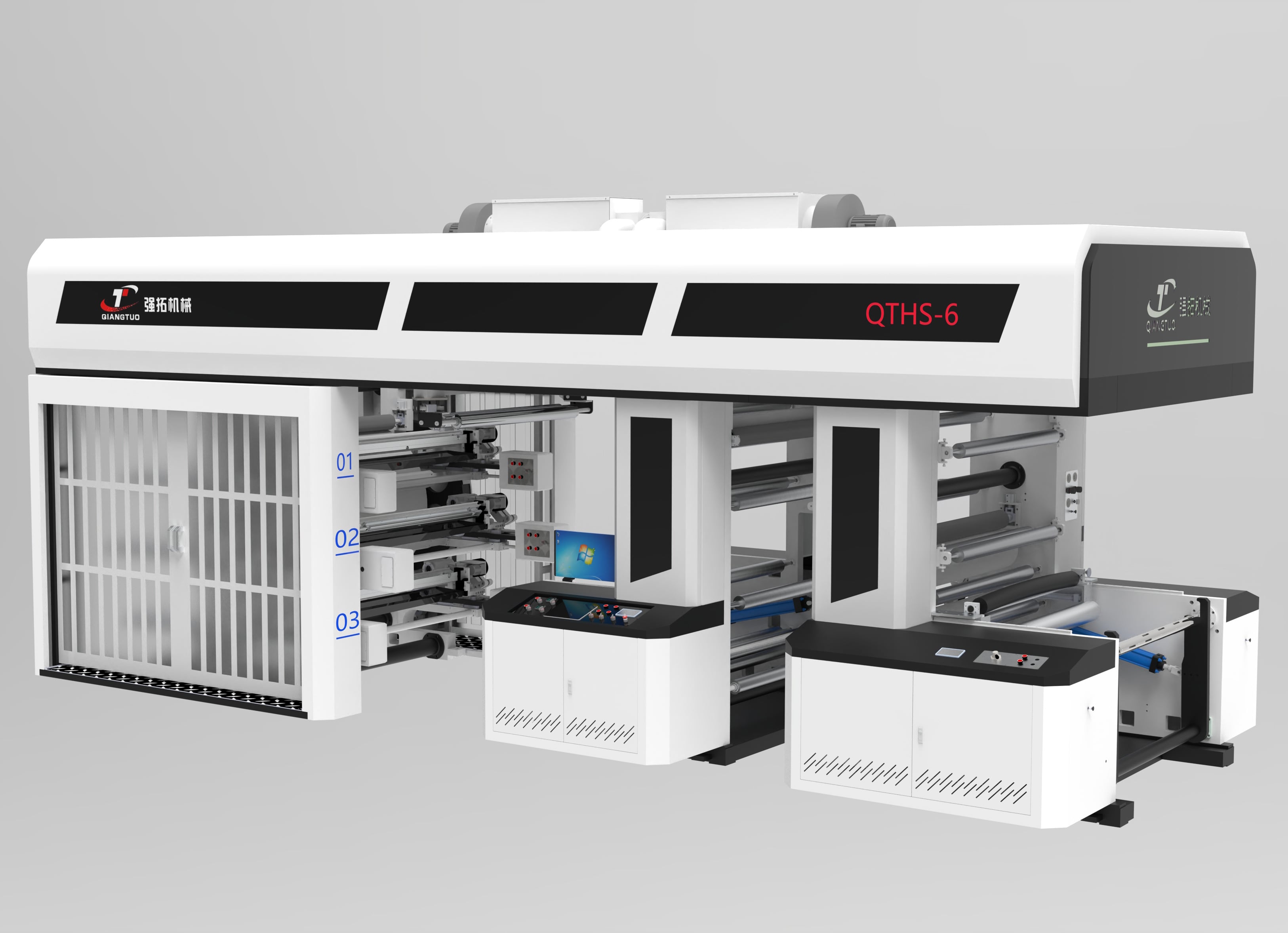
When asking about a Central Impression Paper Cup Fan Flexo Printer, clarify whether the term describes a roll press, a combined print-and-cut line or a wider production system. Names alone do not establish the included stations, cutting method, inspection equipment or service scope. Request a written configuration and a process diagram for each proposal.
Drying and food-packaging assessment
A printed cup is part of a food-packaging system, so material and ink choices need review beyond appearance. Set-off can occur when printed surfaces touch the reverse side in tightly wound rolls or stacked sheets. Ask the board supplier, ink supplier and appropriate compliance specialists to assess the intended construction, conditions of use and destination markets. Agree on relevant testing and documentation before production; a press configuration by itself does not establish food-contact compliance.
How should a CI paper cup printing machine be compared with alternatives?
Compare like-for-like jobs, not catalog figures in isolation. An inline or another flexographic configuration may fit a particular workflow, especially if the buyer needs a different arrangement of printing, inspection or downstream operations. CI may be worth further evaluation when the planned work makes shared web support and multicolor registration important. The trade-off depends on the actual machine, available space, access for maintenance and the integration work required.
- Job mix: compare recurring volumes, color counts, artwork changes and required delivery windows.
- Material: use the same board and coating assumptions in each proposal; identify what remains untested.
- Operational time: record preparation, setup, wash-up, inspection and handoff time under an agreed trial procedure.
- Output quality: define acceptable color, registration, drying and print-to-cut results for the finished blank.
- Scope: separate the press, tooling, drying, cutting, installation, training and ongoing support in each quotation.
For a paper cup printing machine investment, a purchase price is only one part of the comparison. Add the expected costs of plates, ink, board used in setup, labor, maintenance, utilities and any separate finishing equipment. Use your own historical job data and supplier quotations. If a value is unknown, show it as an assumption rather than assigning a generic savings percentage.
A practical trial for a future purchase
Imagine a converter planning a 2027 capacity decision with several cup sizes and both repeat and short-run artwork. This is an illustrative scenario, not a reported customer project. The team can select one repeat job and one changeover-heavy job, supply the same material and artwork to each candidate supplier, and agree on the measurements beforehand.
During each trial, document the starting material, setup sequence, acceptable print conditions, inspected output and any interruptions. Include the route from printed roll to cut blank. Record who performs plate mounting and cleaning, how the team checks register, and which adjustments are needed when the design changes. Compare the observed results against the plant’s requirements, not against an advertised maximum speed.
The resulting evidence can show whether a CI paper cup printing machine deserves a more detailed quotation for that plant. It cannot predict what converters worldwide will buy in 2027. Ask suppliers to state any limits on the trial and identify differences between the demonstrated equipment and the quoted configuration.
Questions to include in your request for quotation
- Which board grades, coatings, roll widths and artwork repeat lengths will be evaluated?
- What print stations, drying, inspection and cutting equipment are included, optional or supplied separately?
- How will registration and print-to-cut alignment be measured on representative cup fans?
- What ink and material documentation is needed for the intended food-packaging application and destination market?
- What site services, operator training, spare parts and maintenance access does the proposal require?
Wenzhou Qiangtuo Machinery is positioned around flexographic equipment for packaging applications. For a project discussion, share the board specification, artwork, desired workflow and acceptance criteria before requesting a configuration. A well-defined comparison gives the paper cup printing machine decision a clearer basis than an assumption about a future industry-wide switch.
 Hot News