
 EN
EN
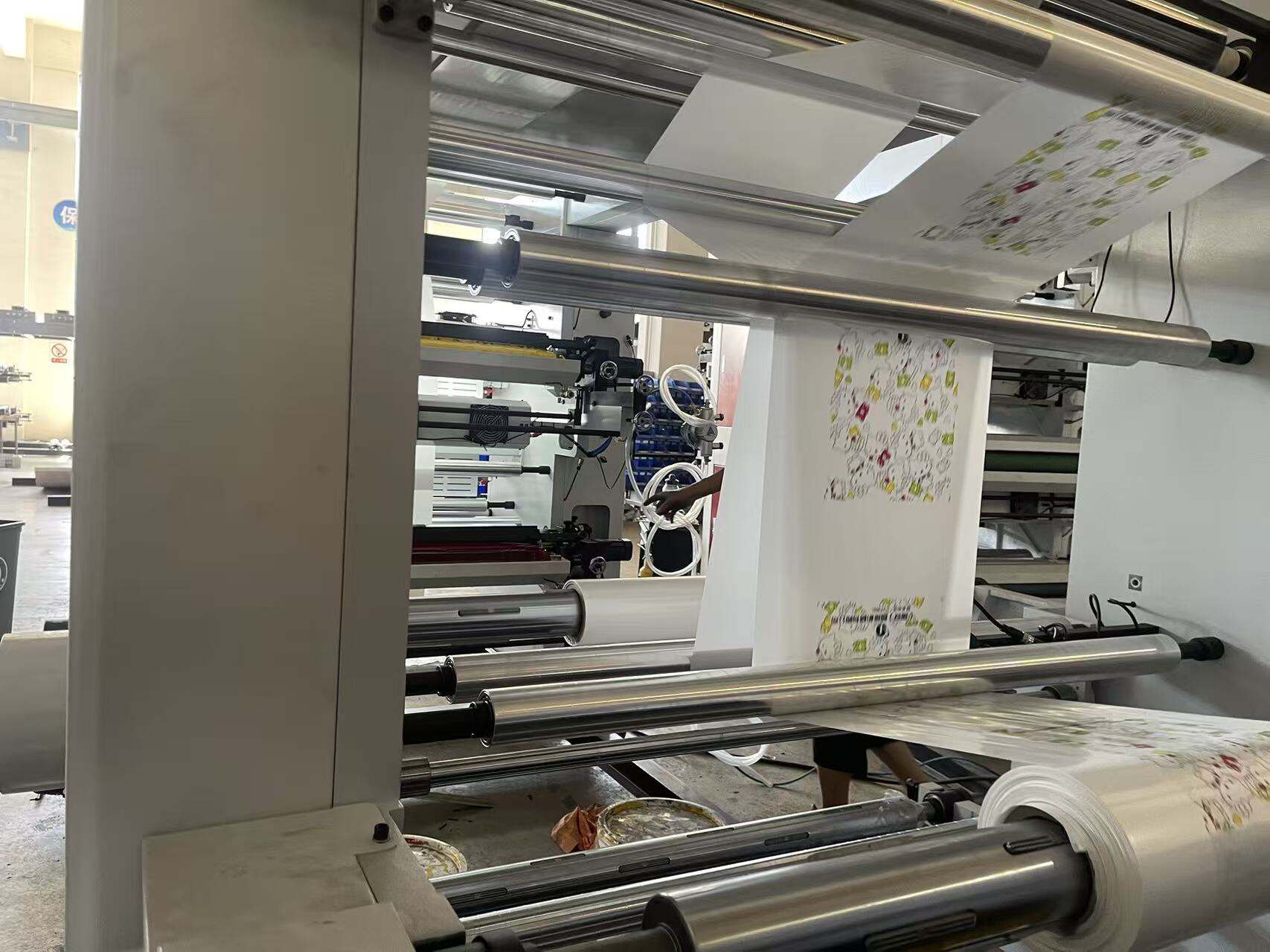
In the rapidly evolving world of food packaging, safety and sustainability are no longer optional—they are prerequisites. Manufacturers are constantly seeking methods to reduce chemical migration and environmental impact while maintaining high-speed production cycles. This is where the water-based ink flexographic printing machine has carved out its dominant position. Unlike solvent-based inks, which rely on potentially harmful chemicals, water-based systems offer a cleaner, safer, and more efficient alternative that aligns perfectly with modern health regulations.
The Shift to Sustainable Printing
The primary driver for the widespread adoption of water-based flexography is the push for non-toxic production environments. Traditional solvent inks emit significant amounts of Volatile Organic Compounds (VOCs), which pose health risks to workers and require complex recovery systems to manage air quality. Water-based inks, however, utilize water as the primary solvent, drastically reducing emissions and eliminating the risk of solvent odor retention on packaging surfaces—a critical factor for direct food contact materials.
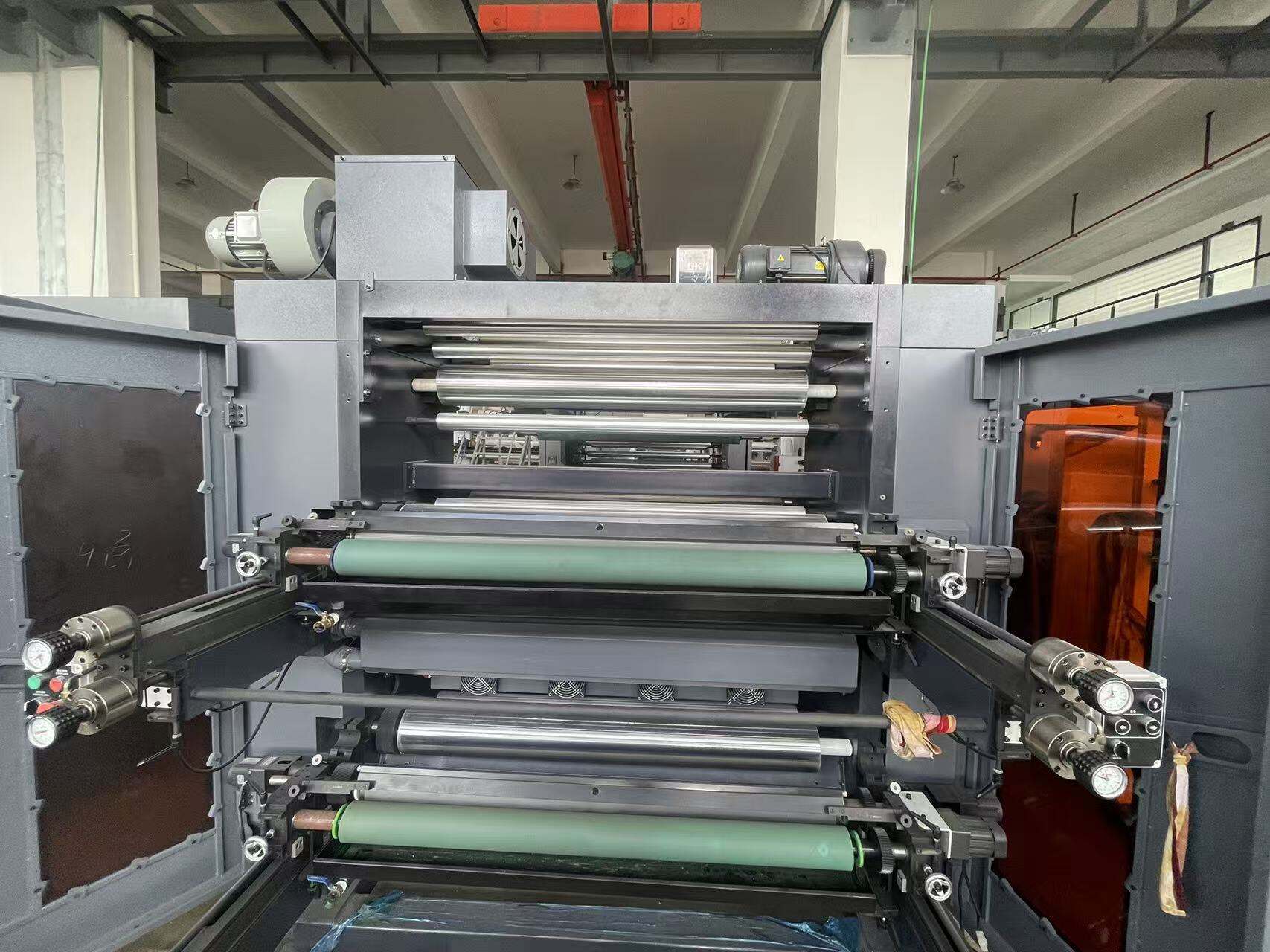
Technical Advantages: Solvent vs. Water-Based
| Feature | Solvent-Based Ink | Water-Based Ink |
| VOC Emissions | Very High | Negligible |
| Health & Safety | Requires specialized ventilation | Inherently safer for staff |
| Odor/Migration | High risk of taint | Minimal risk |
| Drying Time | Fast (requires heat) | Moderate (requires efficient airflow) |
Precision and Efficiency in High-Speed Production
Food packaging demands high-volume throughput without sacrificing color accuracy or graphic clarity. Modern flexographic printing machine technology has advanced to ensure that water-based systems perform with remarkable precision. With high-line-count anilox rollers and sophisticated drying modules, these machines can handle complex multi-color designs on diverse substrates, from paper to flexible plastic films. This combination of speed and image quality makes them indispensable for global brands that need to maintain consistent visual identity across millions of packages while satisfying diverse local safety laws.
Key Performance Indicators for Food-Safe Operations
| Metric | Importance in Packaging | Target Outcome |
| Color Consistency | Brand Recognition | $\Delta E < 2.0$ |
| Drying Throughput | Production Speed | Maximum web speed |
| Adhesion Quality | Package Integrity | Excellent substrate bond |
| Regulatory Compliance | Food Safety | FDA/EU standard adherence |
Manufacturing Excellence and Strategic Support
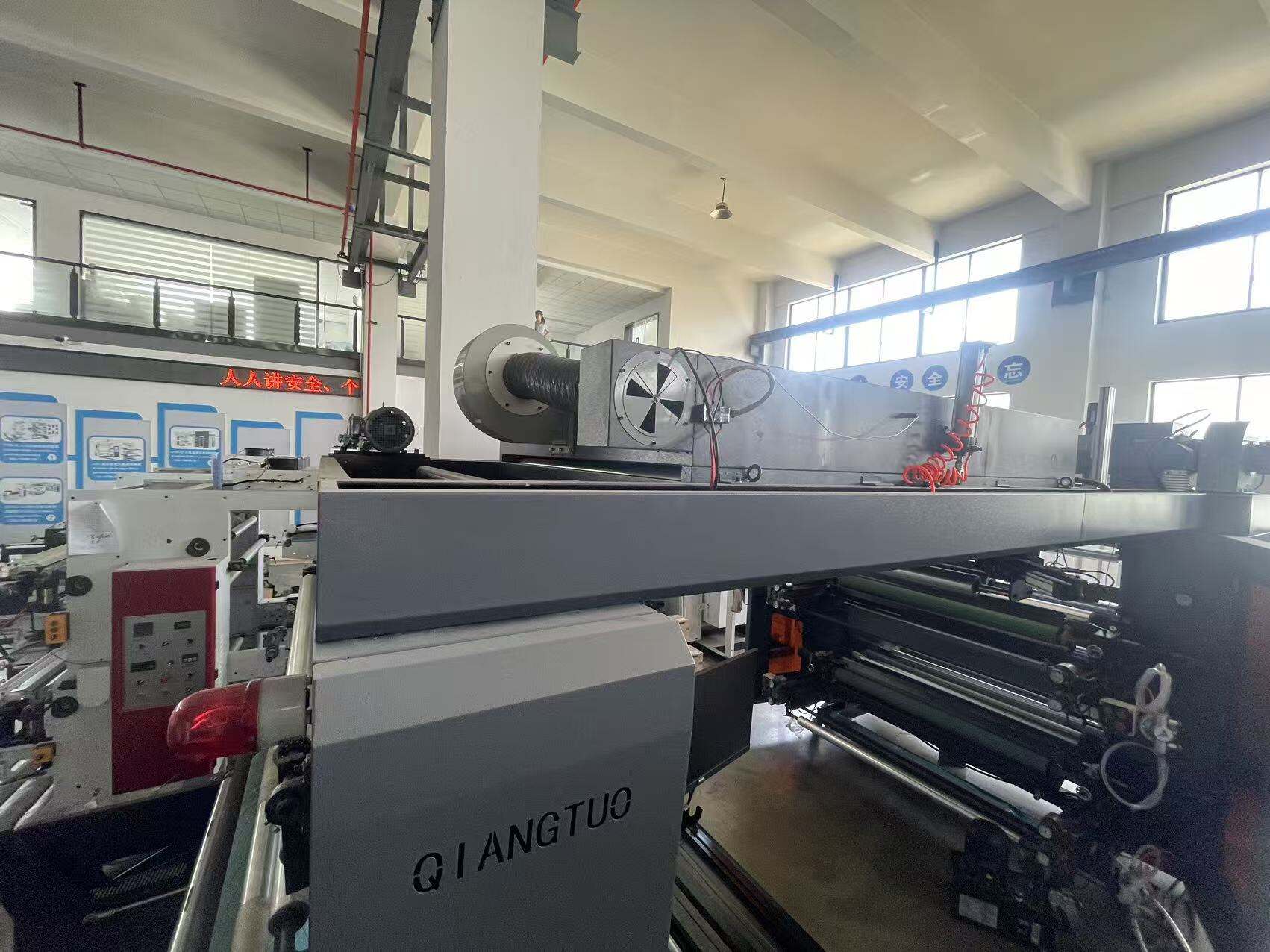
Achieving these performance benchmarks requires machinery that is built for durability and precision. Qiangtuo stands at the forefront of this industrial transition, providing advanced printing solutions designed for high-stability operations. By combining robust engineering with intuitive control systems, Qiangtuo ensures that packaging manufacturers can meet tight production schedules while adhering to rigorous food safety protocols. The technical reliability of Qiangtuo printing systems provides a solid foundation for companies looking to modernize their packaging lines and expand their market footprint in the global food sector.
A Future-Proof Investment
Selecting the right printing infrastructure is a long-term strategic decision. As consumer preferences shift toward sustainable and safe packaging, the role of high-spec water-based printing technology becomes even more critical. By integrating systems from trusted experts like Qiangtuo, manufacturers can achieve the perfect harmony between high-volume efficiency and safety-first compliance. This commitment to engineering excellence not only protects the product inside the package but also strengthens the brand’s reputation in an increasingly health-conscious global marketplace.