
 EN
EN
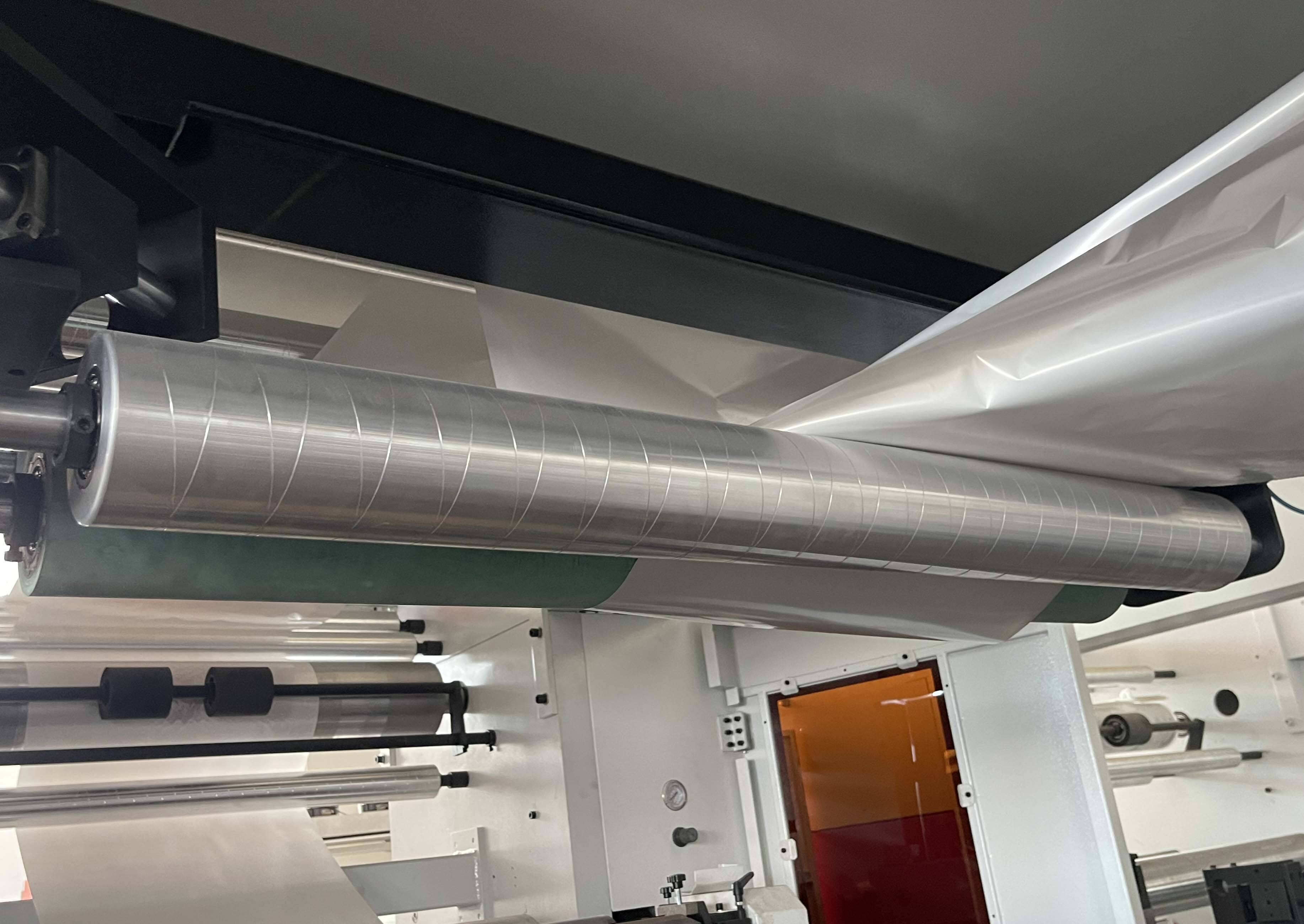
In the precision-driven world of flexible packaging, the ability to switch seamlessly between diverse substrates—from ultra-thin PE films to rigid PE-coated boards—is the ultimate competitive advantage. The foundational architecture for this versatility is the Full-Servo Central Impression (CI) Flexographic Press.
This guide examines why full-servo technology is the industry standard for optimizing registration, drying efficiency, and overall Return on Investment (ROI).
Core Architecture: The Power of Full-Servo CI Design
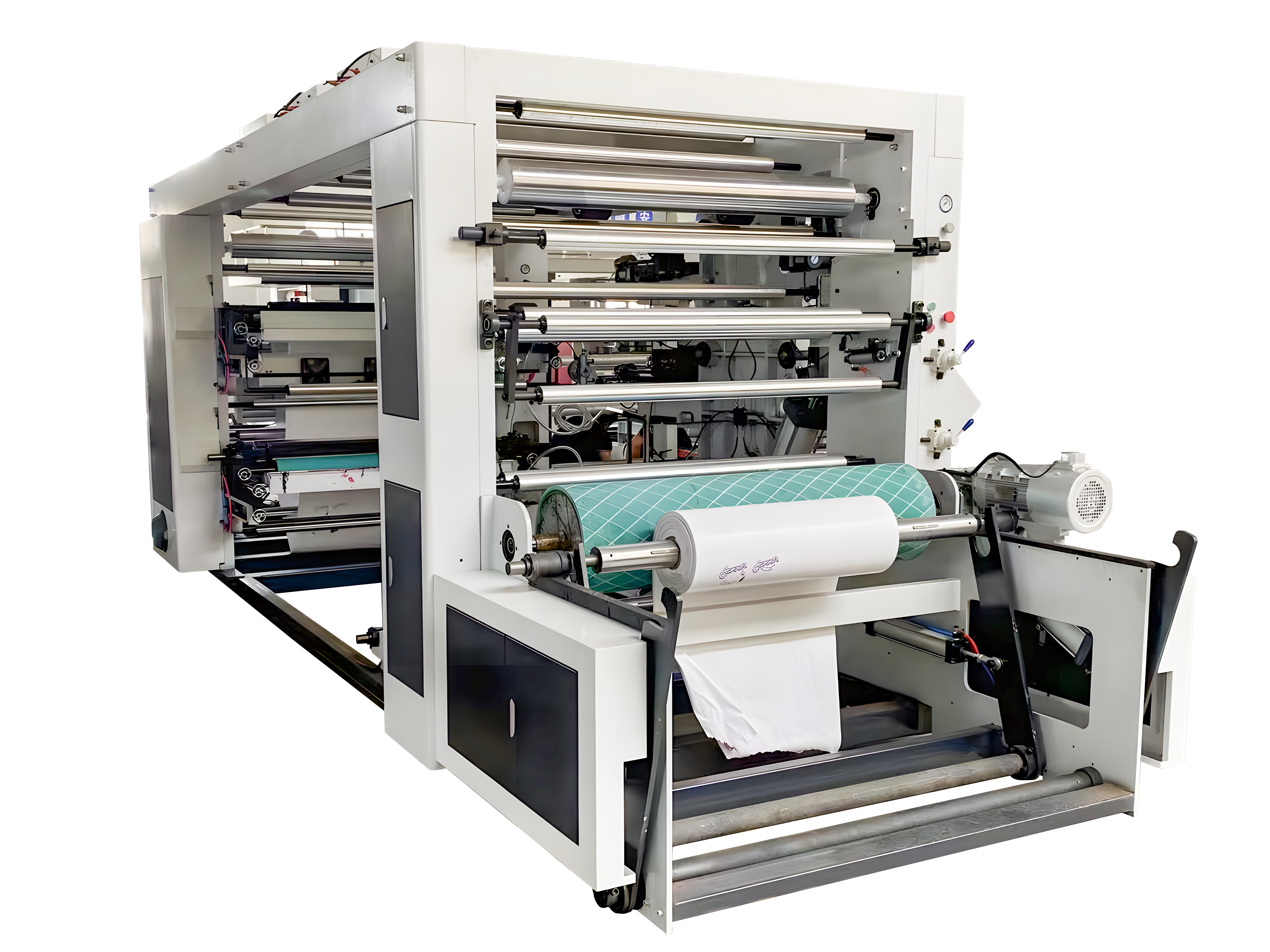
The multi-material capability of a CI press begins with its foundational mechanics. A single, rigid impression drum maintains uniform web tension across all printing units, minimizing registration drift.
While hybrid drives (mixing servos with legacy gears) introduce rotational inertia that disrupts tension control, full-servo CI presses deploy independent, digitally controlled drives for every unit. This eliminates mechanical backlash and prevents microscopic registration shifts, even when transitioning between dense board and ultra-thin film. With dynamic nip pressure compensation, these platforms achieve stable printing in milliseconds, regardless of material thickness.
Substrate-Specific Selection Criteria for Reliable Production
A versatile flexographic press must adapt to the distinct surface energy, thermal behavior, and mechanical response of each substrate.
| Substrate | Key Consideration |
| BOPP | Requires corona/flame treatment for ink adhesion >38 dyne/cm. |
| PET | High heat resistance necessitates precise oven temperature control. |
| PE | Low elastic modulus requires gentle, low-tension handling. |
| Aluminum Foil | Non-porous surface needs high-volume anilox and solvent inks. |
| Paper | Higher-line screens and minimal impression pressure reduce dot gain. |
| Non-Woven | Low nip pressure is vital to avoid material deformation. |
| PE-Coated Board | Chill rolls are essential to prevent blocking on heat-sensitive coatings. |
For films under 30 µm, full-servo CI presses maintain registration within ±0.1 mm, utilizing real-time tension feedback at 2 ms intervals to compensate for dimensional instability automatically.
Operational Metrics That Drive ROI
Measuring ROI in multi-material flexography requires tracking throughput, consistency, and cost-per-impression.
-
Drying Efficiency: Full-servo architectures allow for granular temperature profiling. By zone-controlling drying for UV, water-based, or solvent inks, operators can optimize adhesion across diverse portfolios, significantly reducing rework and waste.
-
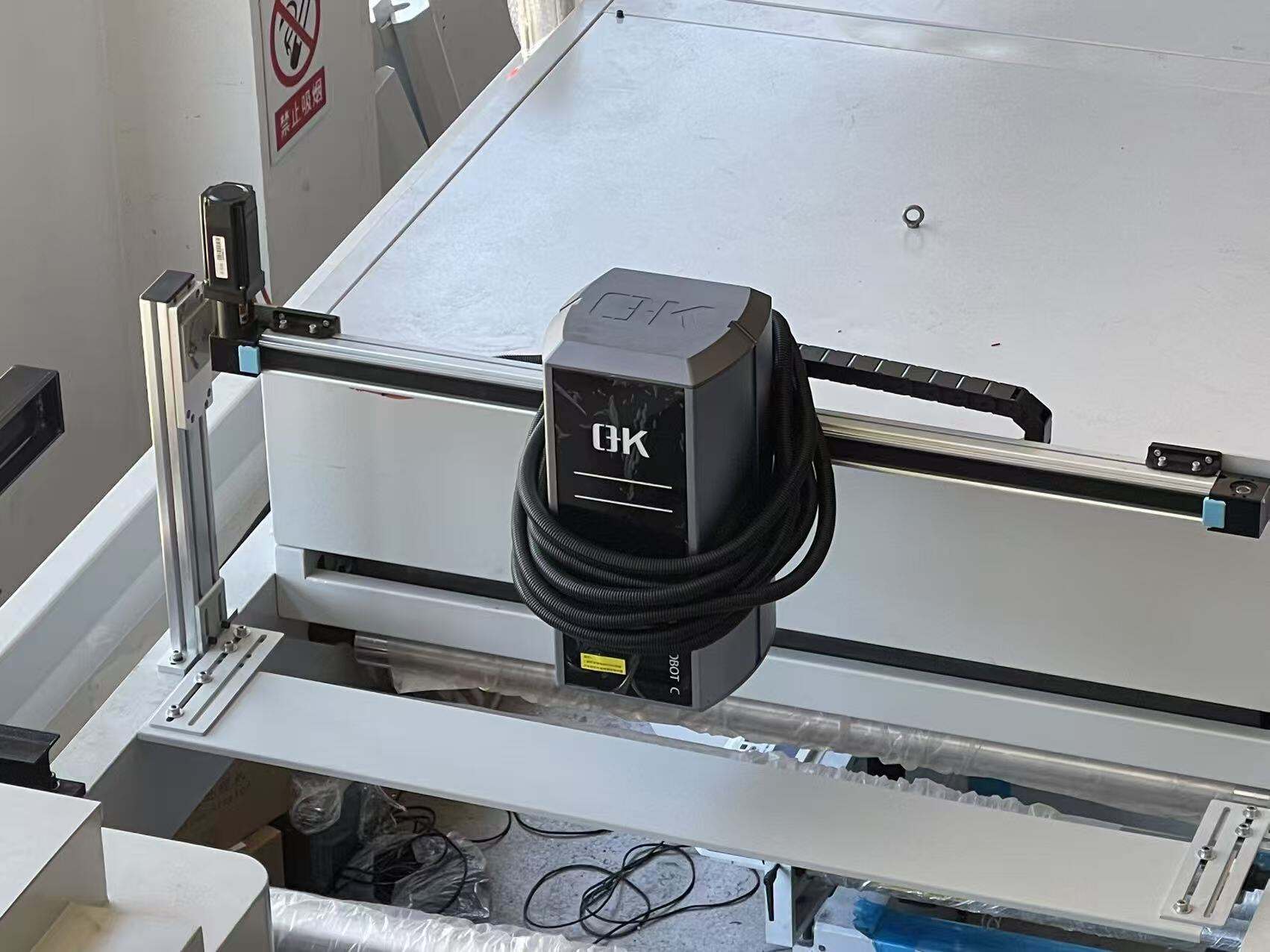
Changeover Efficiency: Robotics-assisted wash-up and servo-driven pressure presets can reduce changeover time from 45 minutes to under 10 minutes. This automation improves Overall Equipment Effectiveness (OEE) by 15–20%.
Total Cost of Ownership (TCO) and Yield Analysis
While full-servo CI flexographic presses require a higher upfront investment than mechanical alternatives, the TCO analysis confirms a payback period typically within two to three years.
-
Maintenance Savings: Removing gearboxes and clutches slashes mechanical wear and replacement costs.
-
Yield Leadership: A machine delivering 98% first-pass yield consistently outperforms lower-cost alternatives achieving only 88%. By cutting startup waste by 30–40%, the yield improvement alone often exceeds the price premium within five years.
Frequently Asked Questions
What is a full-servo CI flexographic press?
It is a flexographic printing press utilizing independent, digitally controlled servo motors for every printing unit, ensuring maximum precision and minimal operational waste.
Why is uniform web tension critical?
Uniform tension prevents registration drift, which is the primary cause of print defects when running stretchable or dimensionally unstable films.
Can one press handle both film and board?
Yes. A full-servo CI press with granular temperature and pressure control can adapt to almost any substrate, provided the correct ink, anilox, and drying configurations are selected.
How does automation boost ROI?
By reducing changeover time and startup waste by over 50%, automation increases available production time and maximizes output quality, directly boosting profit margins.