
 EN
EN
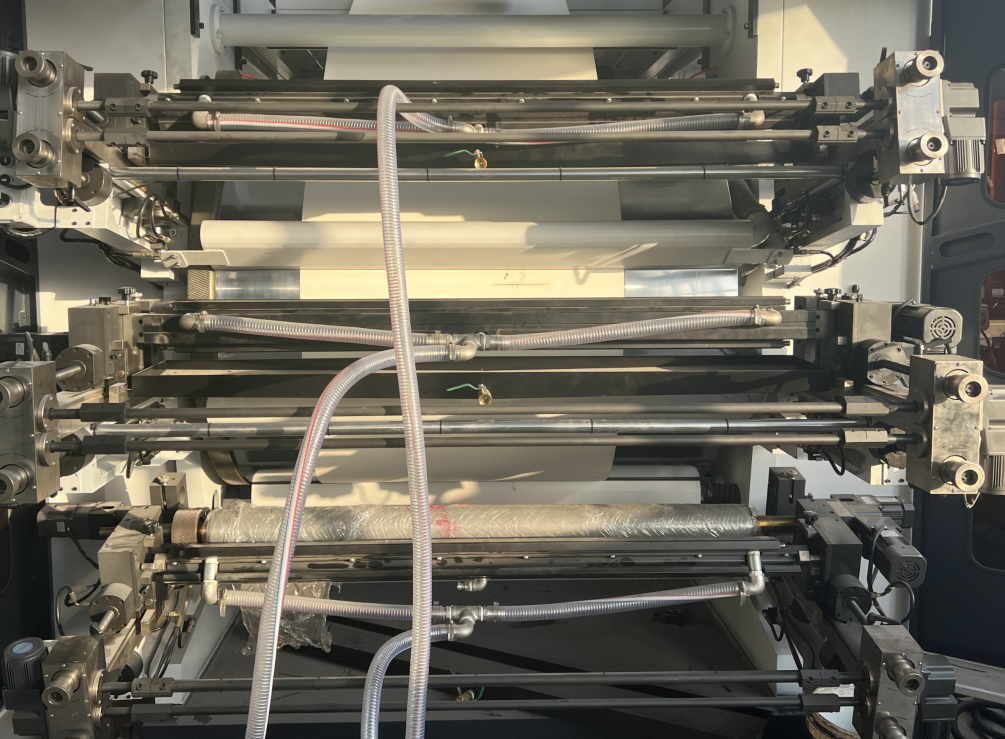
For small and medium enterprises (SMEs) in the paper cup manufacturing industry, the choice of printing equipment is a pivot point for growth. While fully automatic lines offer high throughput, their massive capital requirements often strain liquidity. Conversely, semi-automatic lines lack the precision needed for modern branding demands.
Semi-servo paper cup printing machines offer a strategic middle ground, delivering advanced precision and operational efficiency without the prohibitive overhead of full automation.
Capital Investment & Strategic Positioning
The pricing spectrum of paper cup printing technology is vast, but semi-servo systems offer the most pragmatic entry into high-performance production.
-
Investment Landscape: While fully automatic systems can reach $500,000, semi-servo units typically range from $90,000 to $200,000.
-
The Pragmatic Upgrade: For SMEs, this investment path balances capital expenditure with digital-ready capabilities, delivering superior registration accuracy and repeatability over legacy pneumatic models.
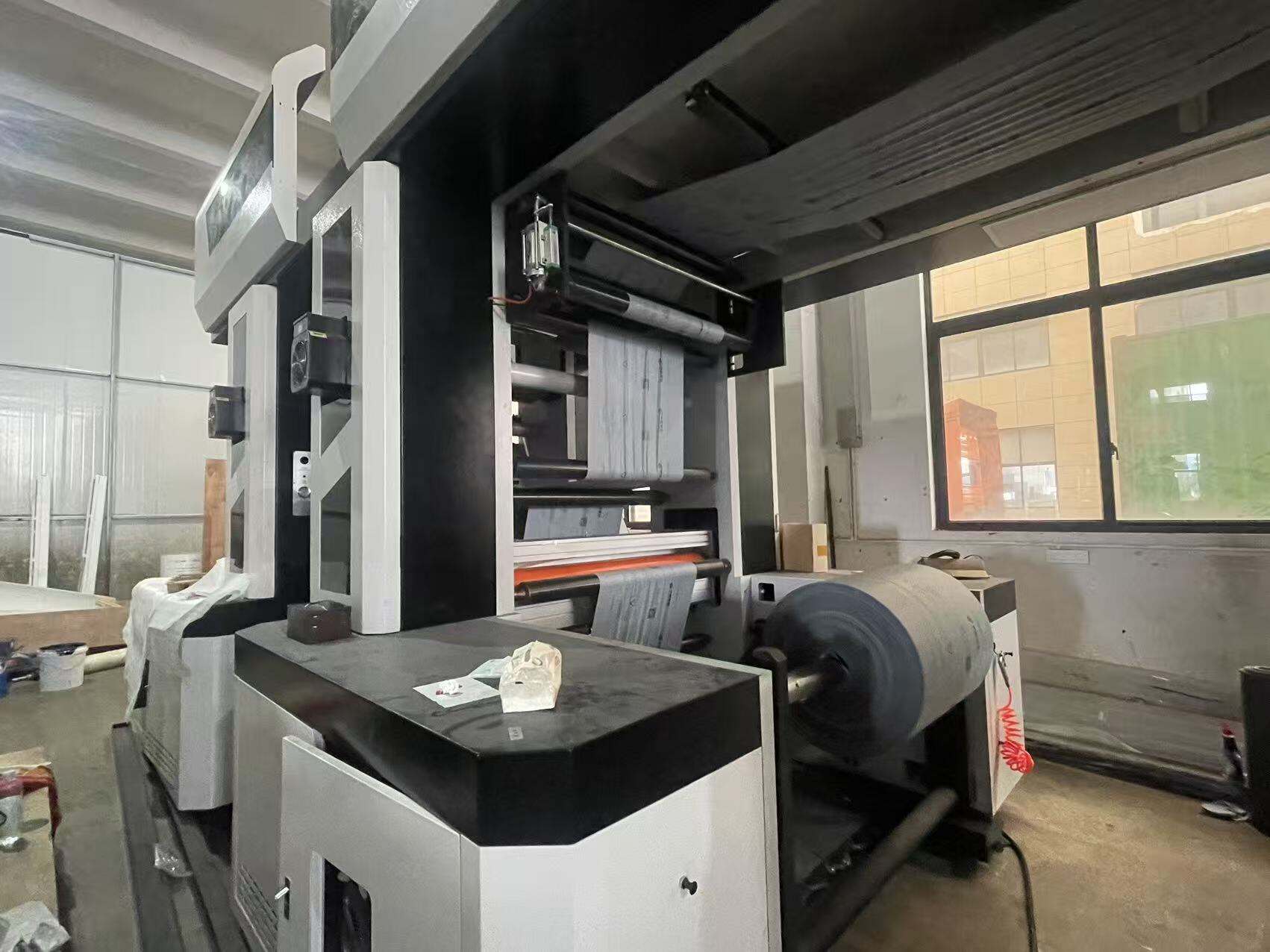
Operational Savings: The Efficiency Drivers
The long-term value of a semi-servo machine is found in its operational efficiency:
-
Energy Efficiency: Servo motors consume 30–50% less electricity than pneumatic alternatives by delivering power only on demand.
-
Labor Optimization: By streamlining the motion profile, semi-servo lines often require only one operator per shift, potentially saving over $24,000 in annual labor costs.
-
Waste Reduction: Precise motion control slashes job changeover waste by up to 50%, significantly boosting first-pass yield.
-
ROI Timeline: Medium-scale producers can typically achieve full ROI within 18–24 months, making this a financially resilient choice for a 5-year business horizon.
Production Fit: Throughput and Format Versatility
Semi-servo machines bridge the gap between high-volume monotony and the volatile, batch-heavy demand cycles of the SME market.
-
Flexible Throughput: Producing 3,000–8,000 cups/hour, these systems are optimized for both short-run promotional orders and mid-volume recurring contracts.
-
Rapid Changeovers: Changeover times are reduced by 40–60% compared to semi-automatic setups, as speed adjustments require no mechanical recalibration.
-
Substrate Adaptability: The system handles diameters from 60 mm to 120 mm and paper thicknesses up to 450 gsm. Compatibility with both water-based and UV-curable inks enables premium finishes—such as matte, gloss, or tactile textures—on a single platform.
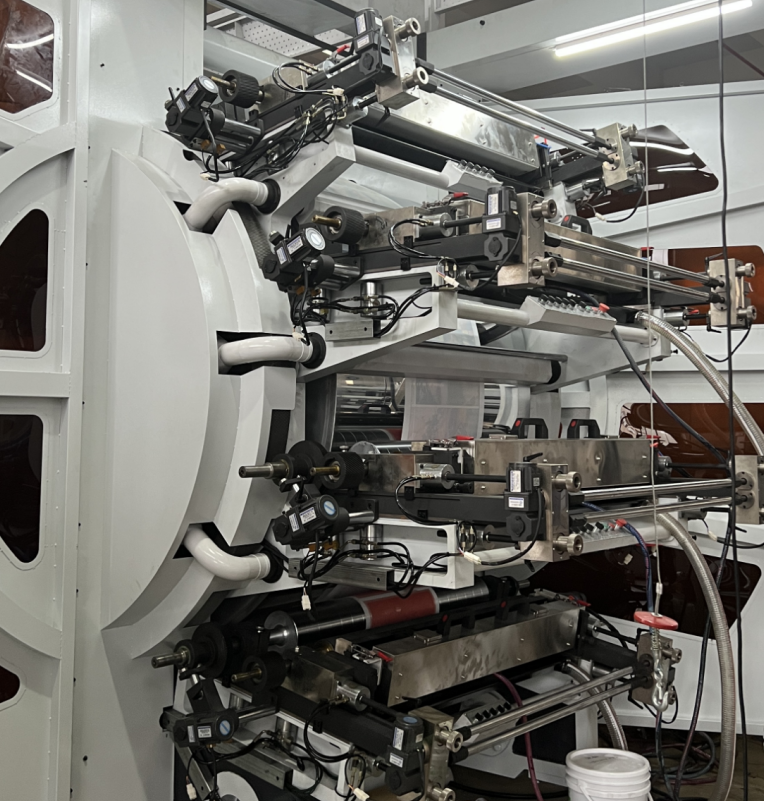
Precision Economics: Accuracy as a Cost-Saving Strategy
Achieving ±0.1 mm registration accuracy is not just a technical spec; it is a financial lever.
Servo-controlled motion eliminates the mechanical drift common in pneumatic actuators. While pneumatic lines often generate 3–5% reject rates, semi-servo machines consistently achieve sub-1% rejection. On a daily output of 5,000 cups, this precision saves thousands of dollars monthly in paper, ink, and coating costs—compounding quickly to reinforce gross margins.
Hidden Infrastructure & Total Cost of Ownership (TCO)
When evaluating a semi-servo machine, buyers must look beyond the purchase price. Integration realities, such as electrical panel upgrades and compressed air system retrofitting, can add 15–25% to the initial investment.
Furthermore, structured operator training is a high-yield investment. Training can reduce average setup times by 35% and startup waste by over 60% in the first quarter, proving that technical skill is as vital as the hardware itself for achieving the promised financial predictability.
Frequently Asked Questions
What is the price range for semi-servo paper cup printing machines? They typically range from $90,000 to $200,000, offering a precise, cost-effective balance between semi-automatic and full-automation models.
How much energy can I save with a semi-servo system? You can expect a 30–50% reduction in electricity consumption compared to hydraulic or pneumatic equipment due to demand-based power delivery.
How soon can I expect an ROI? Most SMEs achieve a full return on investment within 18–24 months through reduced labor, waste recovery, and enhanced throughput.
Is it easy to switch between cup sizes? Yes. These machines accommodate various diameters and thicknesses with mechanical adjustments taking under 15 minutes, requiring no complex tooling swaps.