
 EN
EN
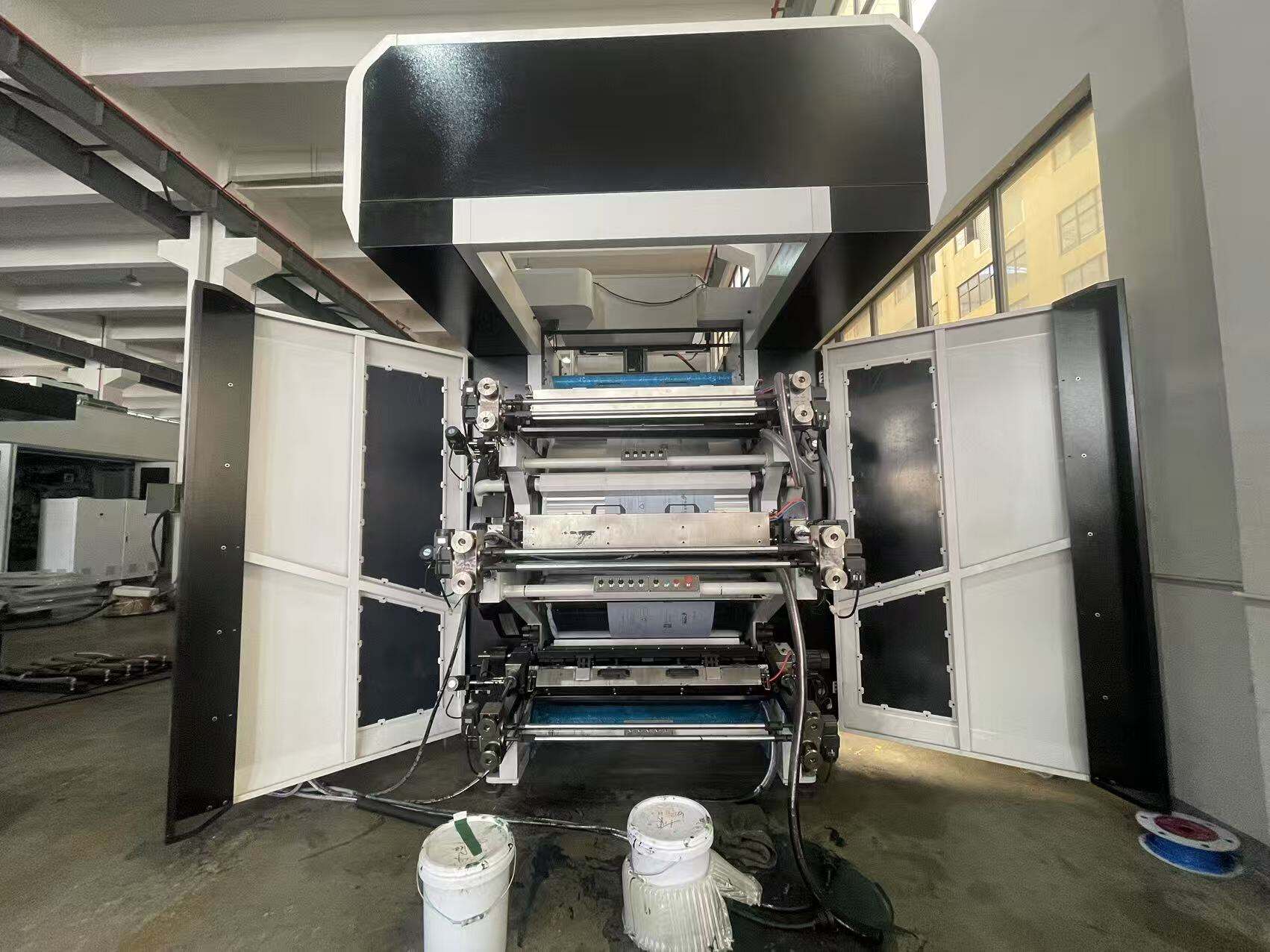
Standard vs. Extended Station Configurations in Modern Colours Printing Machines
Modern colours printing machines feature flexible station configurations that brands and printing converters select based on clear production objectives, rather than arbitrary aesthetic needs. Two mainstream setups dominate commercial packaging production: standard 5–7 station configurations and extended 8–12 station layouts, each with distinct efficiency, color gamut, and operational cost characteristics.
Standard station presses rely on classic CMYK color workflows, delivering highly stable, repeatable color output ideal for high-volume batch production, corporate brand packaging, and standardized label runs. This streamlined configuration minimizes tooling changeovers, reduces consumable waste, and ensures consistent color fidelity for mass production scenarios with fixed color specifications.
Nevertheless, extended station designs come with measurable operational trade-offs. Each additional printing station increases mechanical structure complexity, driving consumable costs up by 15% to 35% and raising daily maintenance difficulty. Businesses need to balance expanded color capabilities with operational expenses to select the most cost-effective station configuration matching their production scale.
Beyond CMYK+: Integrating Spot Colors, Metallics, and White for Expanded Packaging Palettes
While CMYK+OGV extended gamut printing covers over 90% of standard Pantone colors, pure process color workflows still cannot meet high-end packaging’s differentiated visual and functional requirements. The integration of brand-specific spot colors, metallic inks, and opaque white ink enables colours printing machines to achieve layered visual effects, regulatory compliance, and material adaptability that traditional printing cannot replicate.
Opaque white ink acts as an essential foundational underbase for printing on transparent films, metallized substrates, and translucent packaging materials. It enhances pattern contrast, ensures crisp text definition, and prevents background color penetration, guaranteeing clear and vibrant packaging presentation. Metallic inks deliver premium tactile and visual luxury, which is irreplaceable for high-value fragrance, beauty, and gift packaging to highlight product grade and market competitiveness.
Brand-customized spot colors serve critical standardization and regulatory functions. For pharmaceutical packaging, fixed spot reds and identification colors ensure industry-standard color consistency and meet global label traceability and scanning requirements. Substrate characteristics also dictate color performance outcomes: per 2023 Global Print Consortium analysis, porous kraft paper absorbs approximately 30% more ink than coated paper stocks, resulting in reduced color vibrancy and requiring targeted ink formulation adjustments.
Modern prepress workflow systems effectively solve the compatibility challenges of multi-ink layered printing. UV-curable metallic inks require precise printing sequence control to avoid cross interference in drying and curing. Intelligent pre-simulation software verifies ink sequence compatibility, substrate adaptability, and drying feasibility before formal plate making, eliminating costly press trial errors and supporting standardized color management for hundreds of product SKUs.
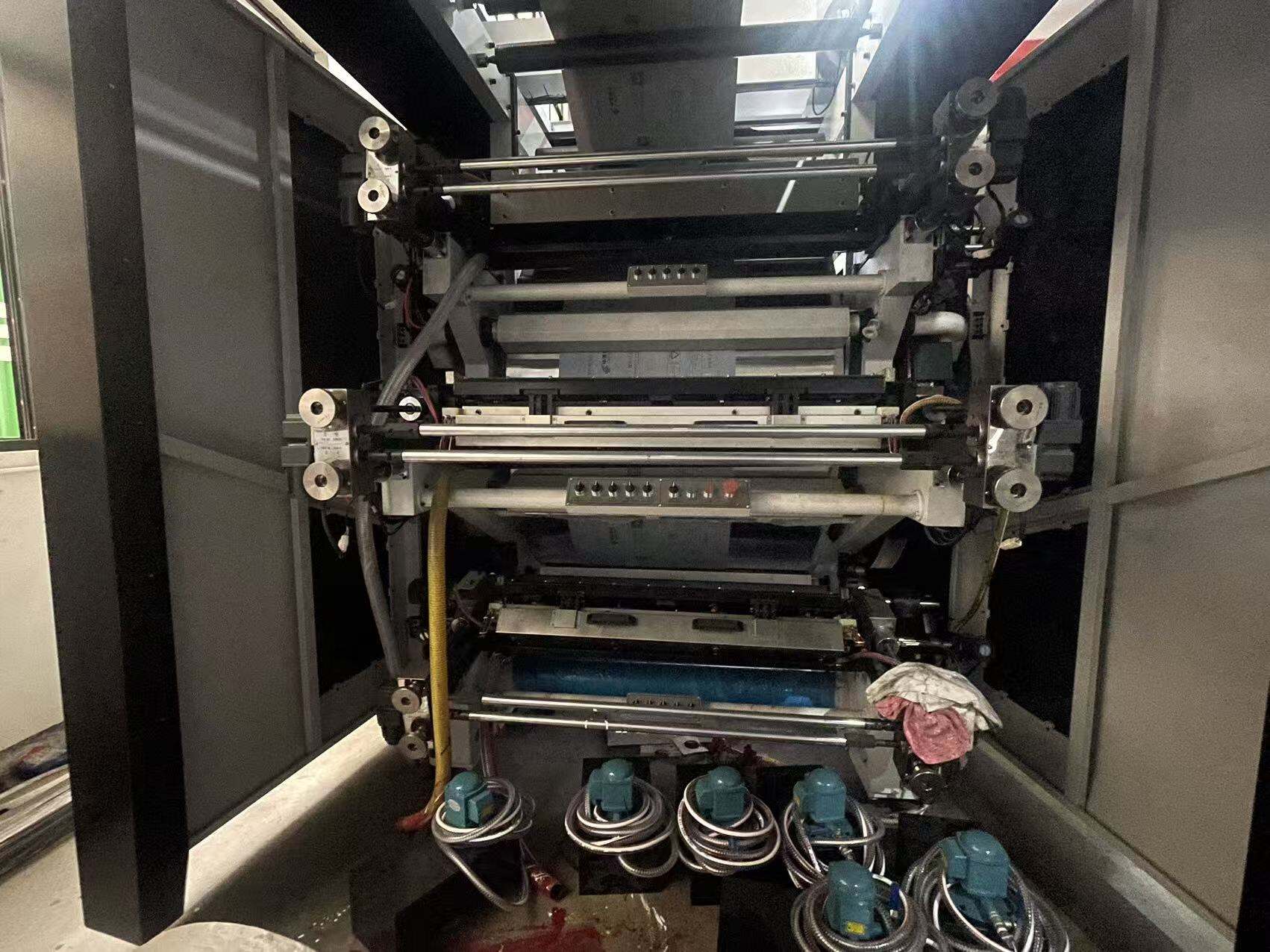
Calculating Practical Color Combinations — Not Just Theory
More printing stations mean exponentially growing theoretical color combinations, but real-world physical constraints create hard limits on usable, stable color matching solutions. Ink layering thickness, substrate ink absorption, high-speed drying capacity, and printing registration accuracy collectively filter out most theoretical formulas, determining the actual reproducible color range of colours printing machines.
Excessive ink layers are the primary cause of printing defects. Stacking more than five ink layers triggers viscosity conflicts and incomplete drying issues. At a production speed exceeding 300 feet per minute, these problems directly reduce registration accuracy, causing blurring, color deviation, and pattern misalignment—especially prominent on smooth coated paper and flexible film substrates.
Substrate porosity further restricts color availability. Porous packaging materials absorb 30% more ink than compact polymer surfaces, forcing manufacturers to adjust ink concentration and layering thickness. This compensatory adjustment narrows the feasible color matching window and limits the application of high-saturation metallic inks on porous stocks. In addition, heat tunnel drying capacity becomes a core throughput constraint: only 40% of complex multi-layer color blends can complete inline drying without disrupting continuous production schedules.
Field high-speed flexo production data confirms the gap between theory and practice. Even a well-configured 8-station colours printing machine can only stably reproduce 75 reliable color combinations after deducting all physical constraint factors. Multiple constraint dimensions jointly limit practical color options: ink layer thickness restrictions exclude 40% of mixed color formulas, substrate absorption differences limit 25% of metallic ink applications, and drying tunnel capacity blocks 35% of complex color blends.
The Role of Print Workflow Software in Validating Chromatic Feasibility
Advanced print workflow software bridges the gap between theoretical color models and on-site physical execution, becoming the core intelligent guarantee for stable color output of modern colours printing machines. The system integrates multi-dimensional data including substrate porosity parameters, press speed profiles, and ambient humidity and temperature conditions to simulate ink-substrate interaction effects in the prepress stage.
High-end platforms adopt machine learning algorithms trained on massive historical production data, with built-in industry-standard 2.5% color deviation tolerance thresholds. The system automatically identifies high-risk color combinations prone to ink bleeding, mottling, and uneven coloring, and eliminates unfeasible formulas before plate making. Automated preflight detection functions verify the compatibility of ink sequences, effectively avoiding quality failures caused by mismatched stacking of metallic layers, transparent varnishes, and UV overcoats.
In addition to risk warning, intelligent workflow software optimizes color sequence routing logic. It replaces traditional manual trial-and-error press setup, standardizes the color matching process, and shortens pre-production debugging time by up to 40%, greatly improving overall printing efficiency and yield.
Strategic Application: How Brands Optimize Colours Printing Machine Flexibility
Top brands and professional printing converters no longer regard printing station quantity as a single hardware specification, but as a flexible production adjustment lever. They match machine configuration with SKU volume, job changeover frequency, and industry compliance requirements, realizing balanced upgrades in customization capability, production efficiency, and cost control. The core competitive advantage lies in retaining brand color fidelity while minimizing operational friction, rather than blindly pursuing maximum theoretical gamut.
Coca-Cola’s 8-Station Flexo Implementation: Balancing Customization and Production Efficiency
Coca-Cola’s mature 8-station flexo printing production line provides a classic case of refined configuration optimization. The brand adopts a highly differentiated station division strategy: four stations undertake conventional CMYK process color printing to meet daily standardized label production; two independent stations are dedicated to regionally calibrated special red inks, ensuring consistent brand color recognition across global markets; one station applies opaque white underbase to enhance pattern contrast on aluminum can surfaces; the last station sprays protective overprint varnishes for wear and moisture resistance.
This refined station layout supports seamless switching between conventional mass-produced labels and limited-edition promotional packaging within a single shift, without full ink chamber cleaning or plate replacement. The average single-job changeover time is controlled within two minutes, boosting overall equipment effectiveness by 12% to 18%. For production facilities undertaking more than 400 unique bottle and can packaging designs annually, this structural efficiency turns high-frequency customization from a scheduling burden into a scalable market competitive advantage.
Lessons from Cosmetics and Pharma: Managing SKU-Specific Color Sets Without Over-Engineering
Cosmetics and pharmaceutical industries have differentiated printing priorities—luxury visual performance for beauty packaging and regulatory precision for pharmaceutical labels—yet both adopt right-sized color configuration strategies to avoid equipment over-engineering and resource waste.
Cosmetic brands focus on shelf visual impact and rich color layering. A 7-station printing machine equipped with CMYK+OGV extended gamut configuration successfully replaces dozens of traditional spot-color plates. This optimization reduces plate making costs by 55% and equipment washout maintenance time by 70%, while retaining high-saturation, high-level color presentation for luxury cosmetic packaging.
Pharmaceutical printing prioritizes safety, compliance, and error prevention. Enterprises usually adopt lean configurations of CMYK plus a single security color station. The simplified station layout simplifies color validation processes, ensures high scannability of variable data such as product serial numbers and anti-counterfeiting codes, and fully complies with FDA and EU packaging traceability and color standardization regulations. Both industries rely on matched intelligent preflight color matching systems to maximize equipment value, proving that reasonable constraint design delivers higher investment ROI than excessive configuration stacking.
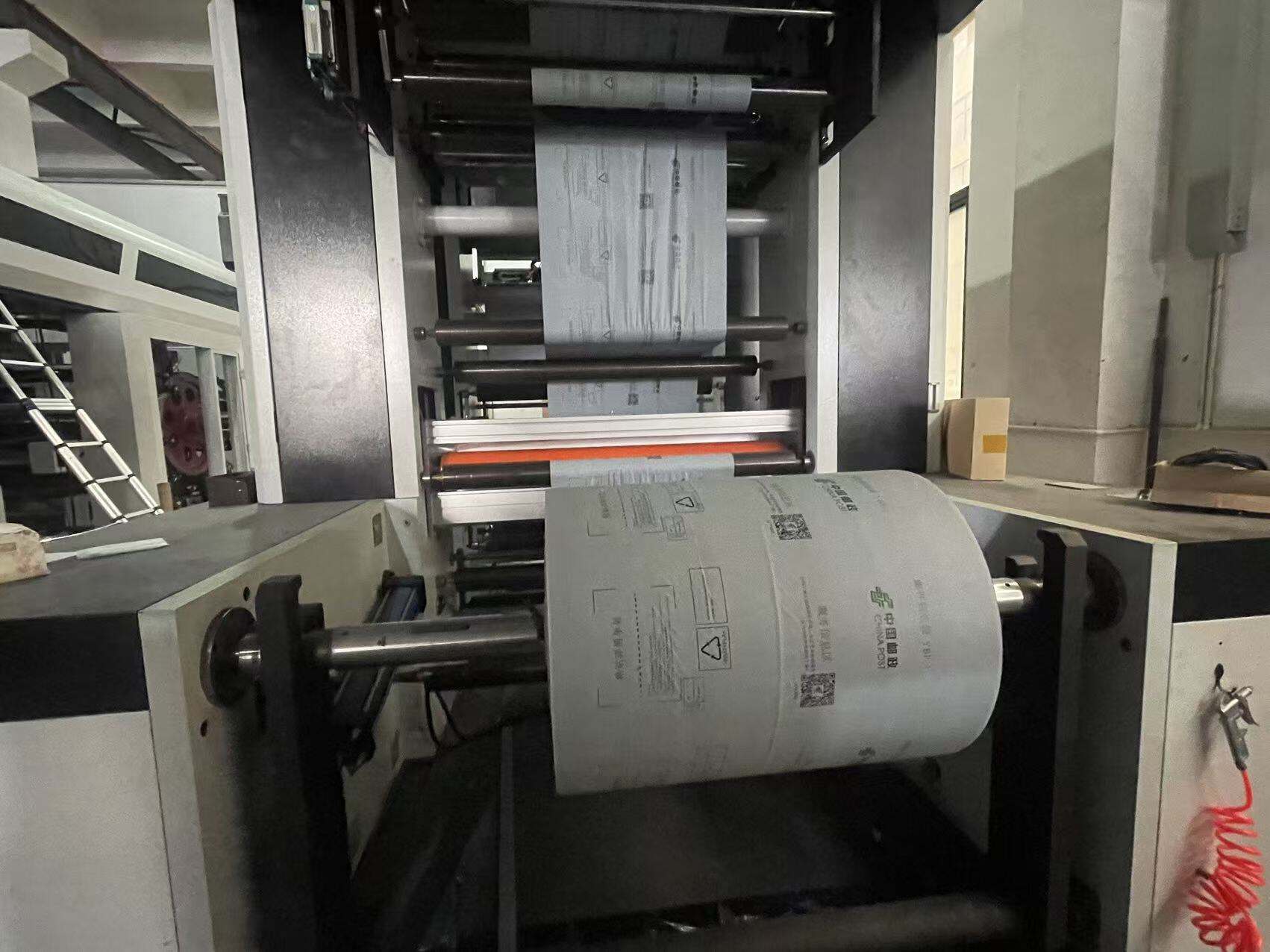
Future-Proofing Color Customization: AI, Automation, and Governance
AI-Powered Color Matching and Predictive Combination Validation
Artificial intelligence is driving colours printing machine color management from passive post-calibration to proactive predictive quality assurance. AI models analyze massive historical production data including ink batch deviations, substrate batch differences, and real-time environmental changes, quickly recommending optimal ink formulas and color layering schemes in seconds. The system automatically verifies whether the color combination meets physical production boundaries such as substrate absorption limits, press speed tolerance, and drying system capacity.
Industry early adoption data shows that AI intelligent optimization reduces printing rework rates by 65%, cuts raw material waste by 30%, and shortens the market launch cycle of each new SKU by 3 to 5 days. More importantly, AI identifies incompatible color formulas before plate making and production startup, avoiding costly mid-job shutdowns and debugging losses, and ensuring continuous and stable operation of printing equipment.
Building a Scalable Color Palette Governance Framework
For multi-client packaging printing enterprises relying on colours printing machines, pure technical capability upgrades are insufficient. A standardized, scalable color palette governance framework is essential to unify brand color fidelity, industry compliance, and flexible customization across diverse product lines.
This governance system formulates unified approved color ranges based on ISO 12647-2 and G7 international color standards, clarifies spectral measurement data quality thresholds, and sets mandatory validation checkpoints in the three core stages of formula confirmation, proofing verification, and formal printing. The automated audit system intelligently detects out-of-gamut specifications and unapproved ink substitutions in job files, triggering early risk alerts in the prepress stage.
The closed-loop feedback mechanism realizes iterative optimization: on-site printing color deviation data is fed back to the palette rule database, continuously improving the accuracy of color matching and risk prediction. This standardized management mode turns color consistency from accidental manual control into systematic engineering control, enabling printing factories to serve multiple brand clients stably without over-configuring equipment or compromising brand color integrity.
FAQ
What is the difference between a standard and extended station configuration in printing machines? Standard 5–7 station colours printing machines focus on CMYK process color output, suitable for high-volume, standardized packaging production with high efficiency and low cost. Extended 8–12 station configurations add orange, green, violet and other extended gamut inks, expanding Pantone color coverage and supporting personalized, high-difficulty color customization for premium packaging.
Why can’t all theoretical color combinations be used in real-world printing? Practical printing is restricted by multiple physical limits including ink layer thickness, substrate absorption rate, high-speed drying capacity, and registration accuracy. Excess ink layers cause drying conflicts and color blurring, while porous substrates and limited heat tunnel capacity further filter invalid color combinations, resulting in far fewer usable color schemes than theoretical values.
How does advanced software improve printing operations? Professional print workflow software simulates ink-substrate interactions in advance, automatically identifies incompatible color combinations and printing risks, optimizes ink sequence and press setup procedures, reduces manual debugging and rework, cuts material waste, and greatly improves overall printing efficiency and color stability.
Why is white ink important in packaging? Opaque white ink acts as a vital underbase for transparent films, metallized and translucent substrates, effectively improving pattern and text contrast, avoiding background color interference, and ensuring clear, vibrant and legible packaging printing effects.
What role does AI play in printing? AI empowers colours printing machines with predictive color matching and risk validation capabilities. It analyzes historical production and environmental data to optimize ink formulas, pre-judges incompatible color combinations, reduces rework and waste, and significantly shortens new product development and mass production cycles.
Table of Contents
- Standard vs. Extended Station Configurations in Modern Colours Printing Machines
- Beyond CMYK+: Integrating Spot Colors, Metallics, and White for Expanded Packaging Palettes
- Calculating Practical Color Combinations — Not Just Theory
- The Role of Print Workflow Software in Validating Chromatic Feasibility
- Strategic Application: How Brands Optimize Colours Printing Machine Flexibility
- Future-Proofing Color Customization: AI, Automation, and Governance
- FAQ