
 EN
EN
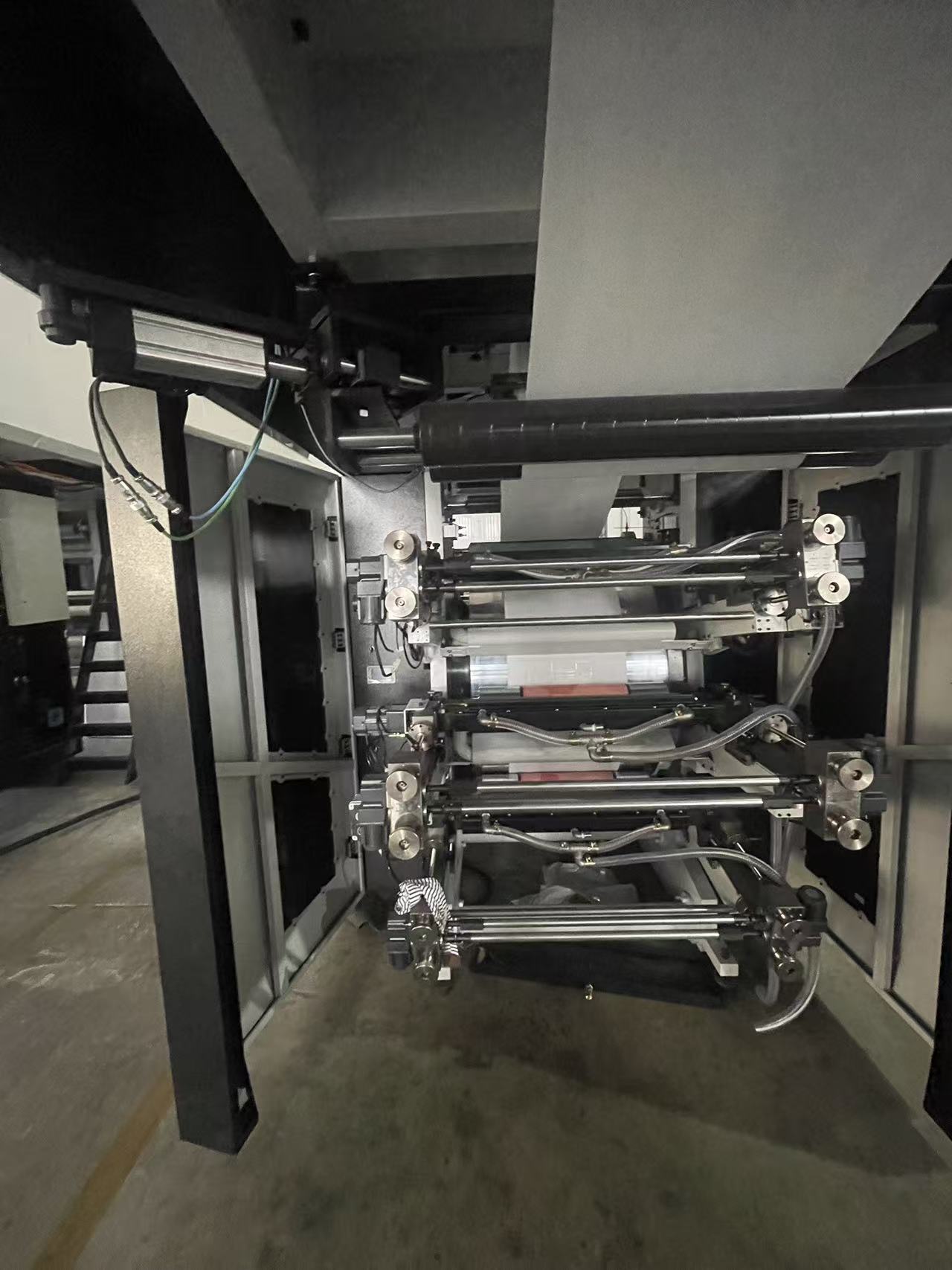
The Core Advantage of 2–8 Colour Printing Machines for Flexible Packaging
For flexible packaging manufacturers, choosing the right colour printing configuration is one of the most impactful decisions for profitability and production flexibility. Many factory owners struggle between basic low-colour printers and ultra-high-end 10+ colour presses that require massive budgets and skilled manpower.
2–8 colour printing machines fill this market gap perfectly. They avoid the branding limitations of 2-colour entry-level devices while skipping the excessive investment and operational complexity of 10+ colour systems. Modern 6 to 8 colour presses deliver high-fidelity colour reproduction, covering spot colours and gradient blends, with makeready times controlled within 30 minutes. This eliminates repeated printing passes, reduces manual errors, and cuts overall labour waste. Thanks to upgraded automation in ink supply and registration control, mid-range colour presses now deliver precision close to high-end industrial machines. Currently, 2–8 colour printing equipment satisfies more than 90% of global flexible packaging production demands, becoming the most practical mainstream configuration in the industry.
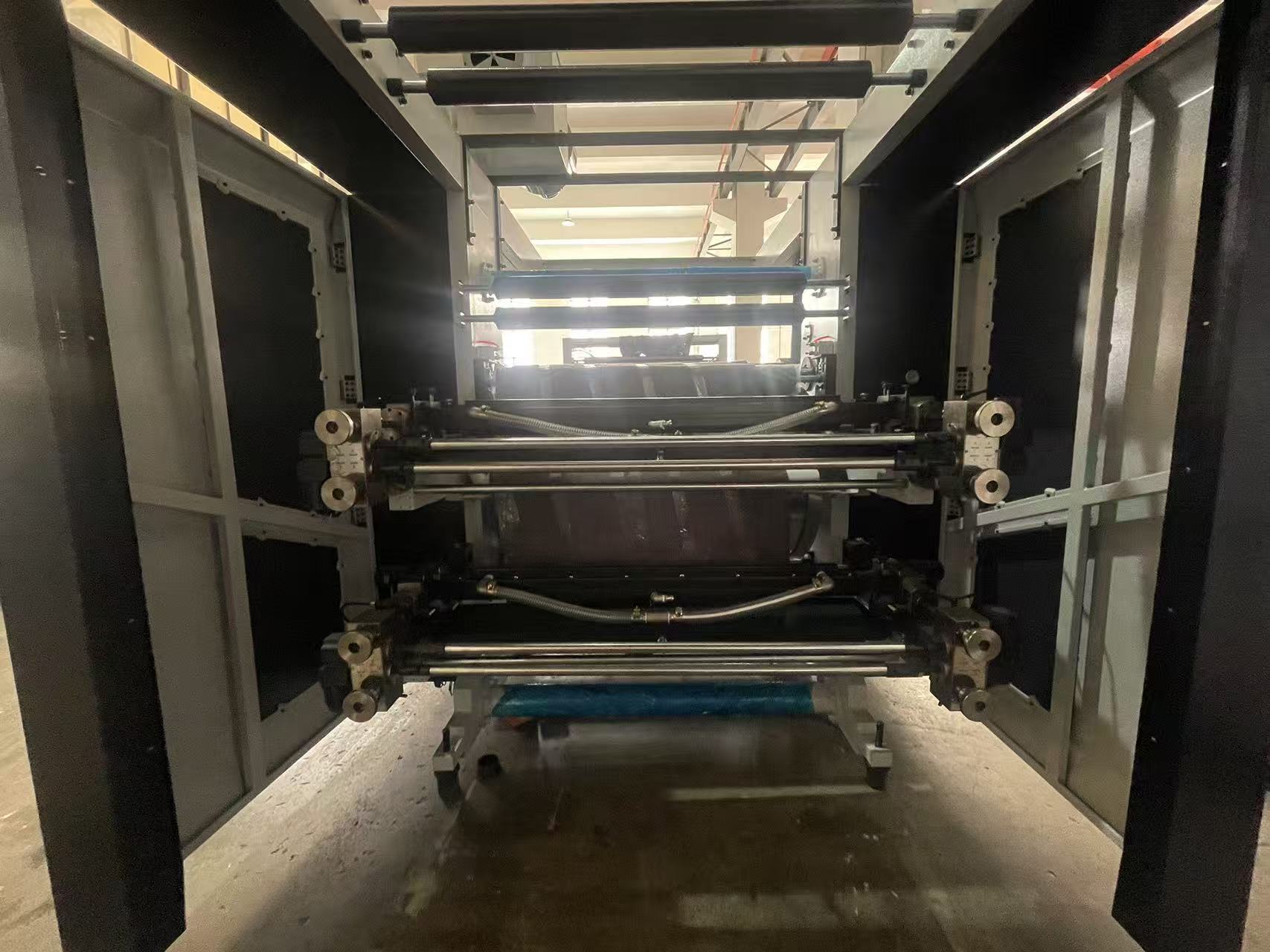
Matching Printing Machine Colours with Production Run Lengths
Different order lengths require targeted colour configurations to maximize profit margins, and real industry cost data clearly proves this rule.
Short-run orders under 5,000 meters, including seasonal packaging, new product trial packaging, and small-batch niche goods, perform best on 2–4 colour machines. Fewer colour stations mean faster alignment, less setup waste, and shorter downtime. According to 2023 printing job economic research, short-run projects using low-colour equipment reduce setup costs by up to 65%, effectively protecting profit margins for small-batch and prototype orders.
For medium and long runs ranging from 5,000 meters to over 50,000 meters, 6–8 colour printing machines become the most cost-effective solution. Complex substrates such as metallized film and composite laminated materials require wider colour gamut and precise colour matching to meet brand standards. A 2024 packaging industry survey shows 6–8 colour presses undertake more than 68% of commercial flexible packaging output, lowering unit production costs by up to 18% compared with traditional 4-colour equipment in mass production scenarios.
Operational Performance Differences Across Colour Configurations
Printing machine colour quantity directly determines setup efficiency, material waste rate, and registration stability. Industry operational data shows that equipment performance stops improving and even declines once colour stations exceed eight.
Each extra colour station increases mechanical adjustment difficulty, extending setup time and generating extra substrate waste. Packaging converters confirm that upgrading from 8-colour to 10-colour presses raises makeready waste by 12% per additional station. Normally, 6-colour presses control job-switching waste at 4% to 6%, while 10+ colour machines often push waste rates above 15%. The increased material loss completely offsets the slight colour gamut improvement, making high-colour equipment uneconomical for most conventional packaging jobs.
Real-World Case: Standardized Mid-Range Colour Presses Reduce Factory Waste
A well-known flexible packaging manufacturer completed equipment standardization upgrades across three production bases, replacing scattered 8-colour and 10-colour presses with unified modular 6-colour flexo printing machines.
After 18 months of continuous production tracking, the factory achieved a 37% drop in job-change substrate waste. Simplified colour station adjustments greatly shortened makeready procedures. Meanwhile, standardized 6-colour equipment maintained stable high-speed registration, cutting overall production downtime by 22%. This real production case fully proves that mid-range colour configurations can significantly optimize operational efficiency without sacrificing printing quality for most packaging SKUs.
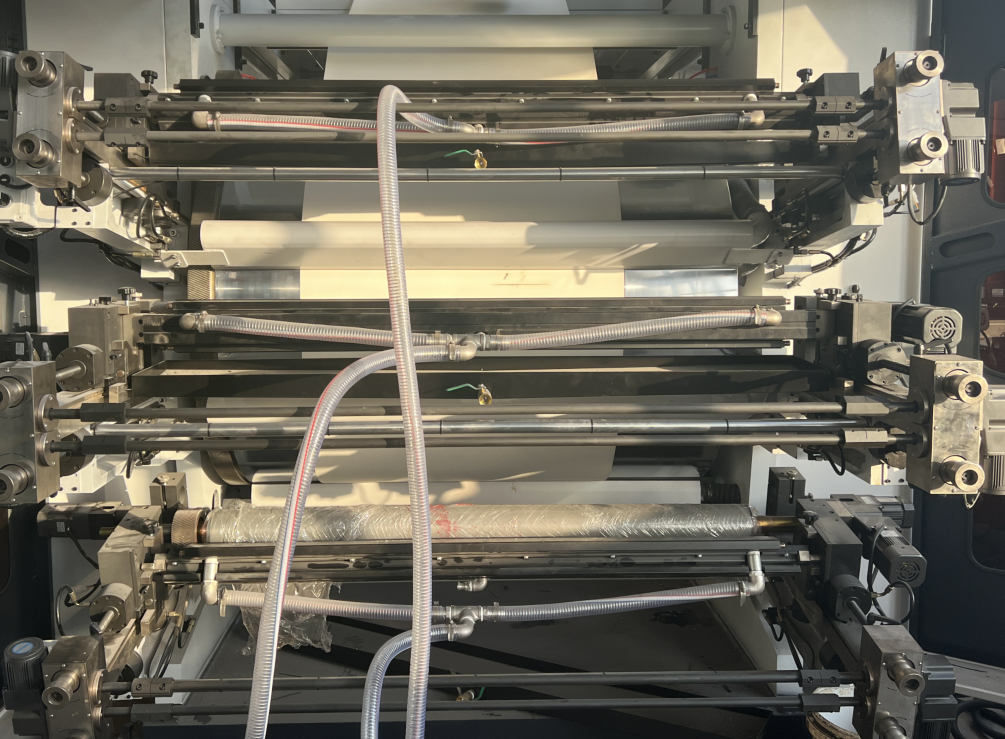
Why 10+ Colour Printing Machines Remain a Niche Choice
High-colour presses with 10 or more stations support expanded gamut printing and deliver richer, more saturated Pantone colour performance in theory. However, practical production limitations restrict large-scale promotion.
Additional colour stations bring more complex mechanical alignment, regular solvent cleaning work, and stricter tension control requirements, increasing setup costs by roughly 10%. Operators also need professional advanced training, raising average labour costs by 25%. More importantly, over six colour stations easily cause registration drift beyond the 0.15mm high-precision threshold, affecting finished product stability. A 2023 Kittinger Group industry analysis verified that 87% of global flexible packaging factories still use 6 colours or fewer, confirming that high-colour presses only apply to a small number of high-end customized packaging scenarios.
FAQ
What is the most practical colour range for flexible packaging printing machines?
2–8 colour printing machines represent the industry sweet spot, balancing printing quality, production flexibility, and operational costs to cover over 90% of mainstream flexible packaging demands.
Which colour machine fits short-run packaging orders?
2–4 colour machines are ideal for short runs under 5,000 meters, featuring low setup waste, fast switching speed, and stable profit margins for trial and small-batch orders.
What benefits do 6–8 colour presses bring for mass packaging production?
6–8 colour configurations support complex substrate printing and high-fidelity colour matching, reducing unit costs by up to 18% and covering most medium and long-run commercial packaging needs.
Why do most manufacturers avoid 10+ colour printing machines?
10+ colour presses cause higher waste, longer setup time, unstable registration accuracy, and higher labour costs, making them uneconomical for mainstream mass production.
Table of Contents
- The Core Advantage of 2–8 Colour Printing Machines for Flexible Packaging
- Matching Printing Machine Colours with Production Run Lengths
- Operational Performance Differences Across Colour Configurations
- Real-World Case: Standardized Mid-Range Colour Presses Reduce Factory Waste
- Why 10+ Colour Printing Machines Remain a Niche Choice
- FAQ