
 EN
EN
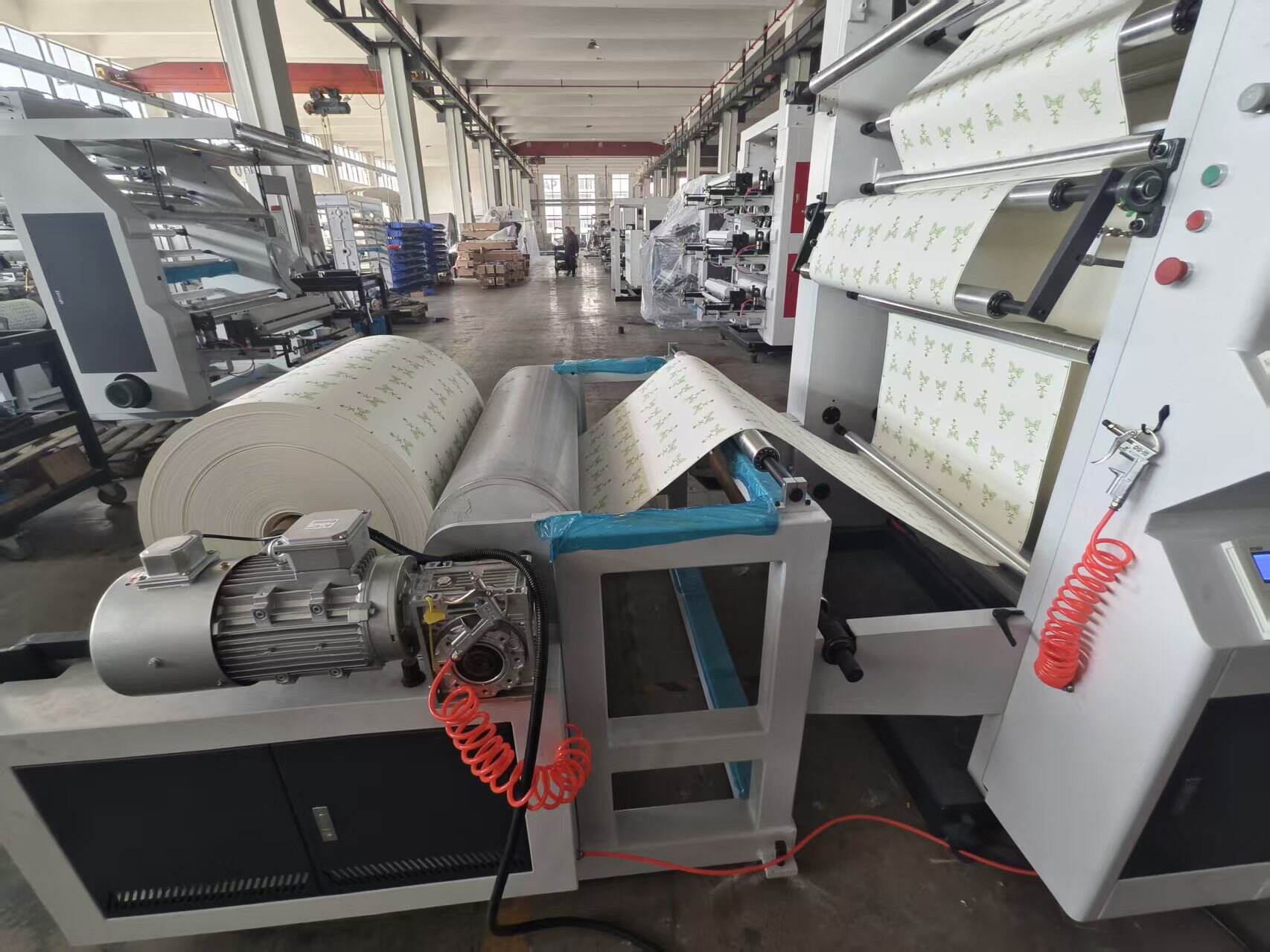
Clarify Your Core Printing Requirements and Use Cases
Align Applications to Colours Printing Machine Capabilities: Prototyping, Marketing Samples, Education, and Custom Manufacturing
Different use cases demand distinct capabilities from a colours printing machine—so aligning your primary application to available features is the first critical step. For product prototyping, consistent color matching across iterations ensures accurate visual validation before mass production. Marketing samples require vibrant, photo-realistic output to secure client sign-off—even for one-off batches. In education, ease of use and low maintenance outweigh speed or resolution. Custom manufacturing, meanwhile, prioritizes repeatability: delivering identical color fidelity across hundreds or thousands of personalized units. Matching your core use case early eliminates mismatched systems and streamlines vendor evaluation.
Prioritize Operational Factors: Team Expertise, Workflow Integration, Batch Size, and Total Cost of Ownership
Once your use case is defined, assess practical operational factors that shape long-term value. Teams with limited technical experience benefit from intuitive interfaces and automated calibration—complex multi-color systems risk costly downtime and material waste without expert oversight. Small-batch custom work favors agile machines with fast changeover over high-capacity units that idle inefficiently. Crucially, look beyond sticker price: total cost of ownership (TCO) includes maintenance, consumables, software subscriptions, and energy use. According to Deloitte’s 2023 industrial equipment report, unplanned operational costs add an average of 27% to a machine’s five-year TCO for small to mid-sized print businesses—making TCO analysis essential, not optional.
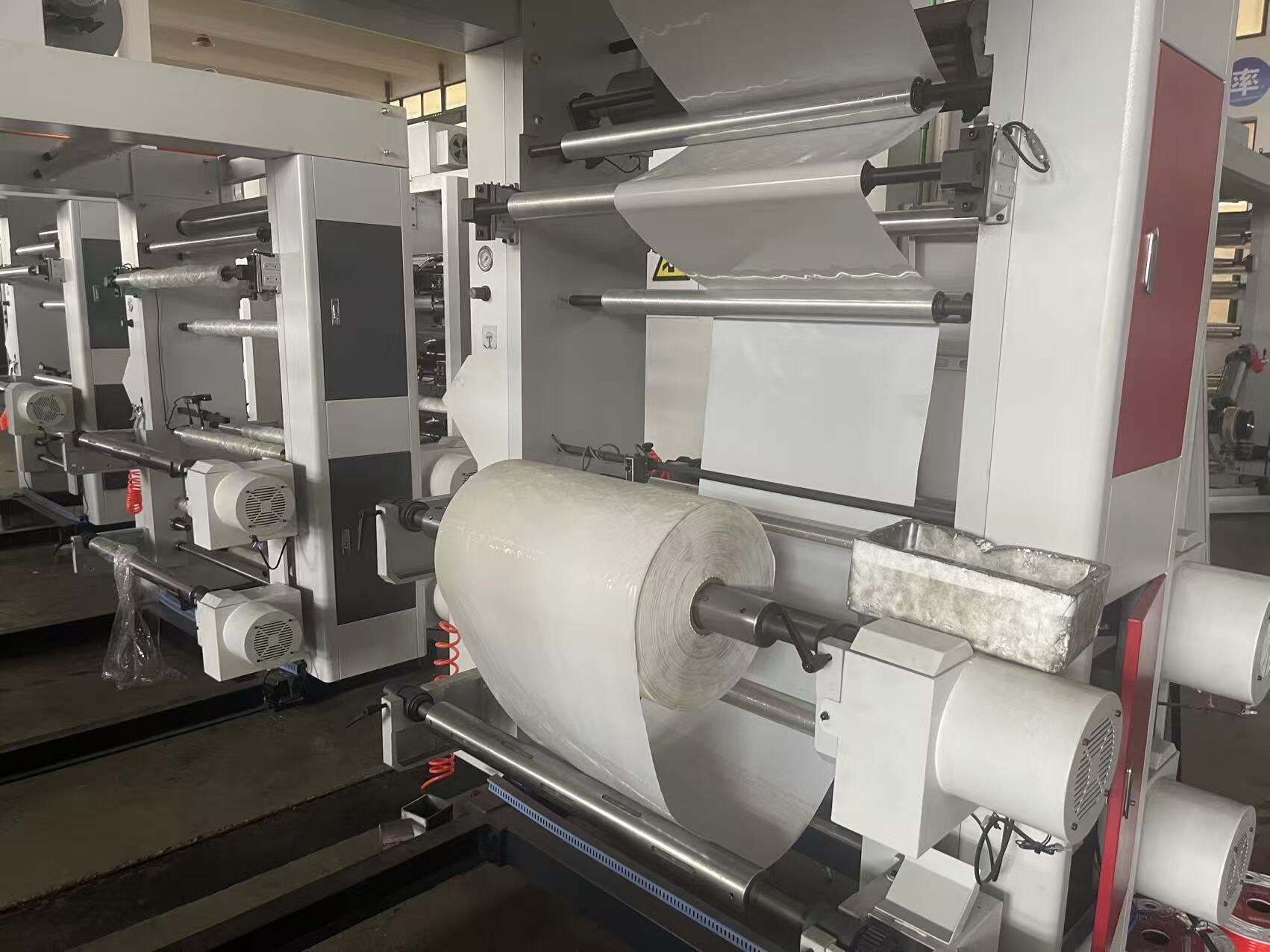
Compare Colours Printing Machine Technologies by Output Quality and Practicality
FDM-Based Colours Printing Machines: Multi-Material Units (MMU), AMS, and Dual-Extrusion Systems Explained
FDM-based systems offer the most accessible entry point into multi-color printing, with configurations tailored to specific needs. Dual-extrusion setups use two nozzles for two-color prints—ideal for part marking, basic branding, and functional prototypes where color nuance is secondary to mechanical performance. Multi-Material Units (MMU) and Automatic Material Systems (AMS) automate filament swaps across up to 10+ spools, enabling full-color prints without manual intervention. These systems prioritize reliability and functional part integrity over photorealism, delivering 30–40% lower TCO than high-fidelity alternatives for small teams—making them especially well-suited for daily prototyping and custom manufacturing workflows.
Resin, PolyJet, and Binder Jetting Colours Printing Machines: When Vibrant Color Fidelity Outweighs Speed or Cost
When color accuracy and visual impact are non-negotiable—such as for marketing samples, consumer-facing prototypes, or custom decorative goods—high-fidelity technologies outperform standard FDM. Resin-based color printers use UV-cured layers to produce smooth, detailed parts with clean full-color blending, ideal for visual prototypes and presentation models. PolyJet systems jet photopolymer droplets with CMYK+white capability, achieving near-photographic fidelity for premium product mockups. Binder jetting deposits colored binding agents onto powder beds, yielding durable, full-color end-use parts suitable for custom consumer goods. While these systems carry higher upfront investment, slower speeds, and more specialized maintenance, they’re justified when brand-critical color consistency and surface quality take priority over throughput or budget constraints.
Assess Key Hardware Specifications That Define a Colours Printing Machine’s Real-World Performance
Build Volume, Layer Resolution, and Color Accuracy Metrics: How They Impact Production Readiness
Build volume determines the largest single-part footprint your machine can handle. Frequent need for large displays, full-size packaging mockups, or oversized prototypes makes compact build chambers impractical—requiring part splitting, post-assembly, and compromised finish quality. Layer resolution—measured in microns or DPI—directly affects edge sharpness and gradient smoothness. For customer-facing output, a minimum of 300 DPI (or ≤50 µm layer height) is standard; finer resolution enhances realism without significantly increasing print time on modern platforms. Color accuracy, quantified by Delta E (ΔE), measures perceptual deviation from digital source files: ΔE ≤ 2 indicates human-eye imperceptibility—confirming readiness for commercial-grade color-critical applications.
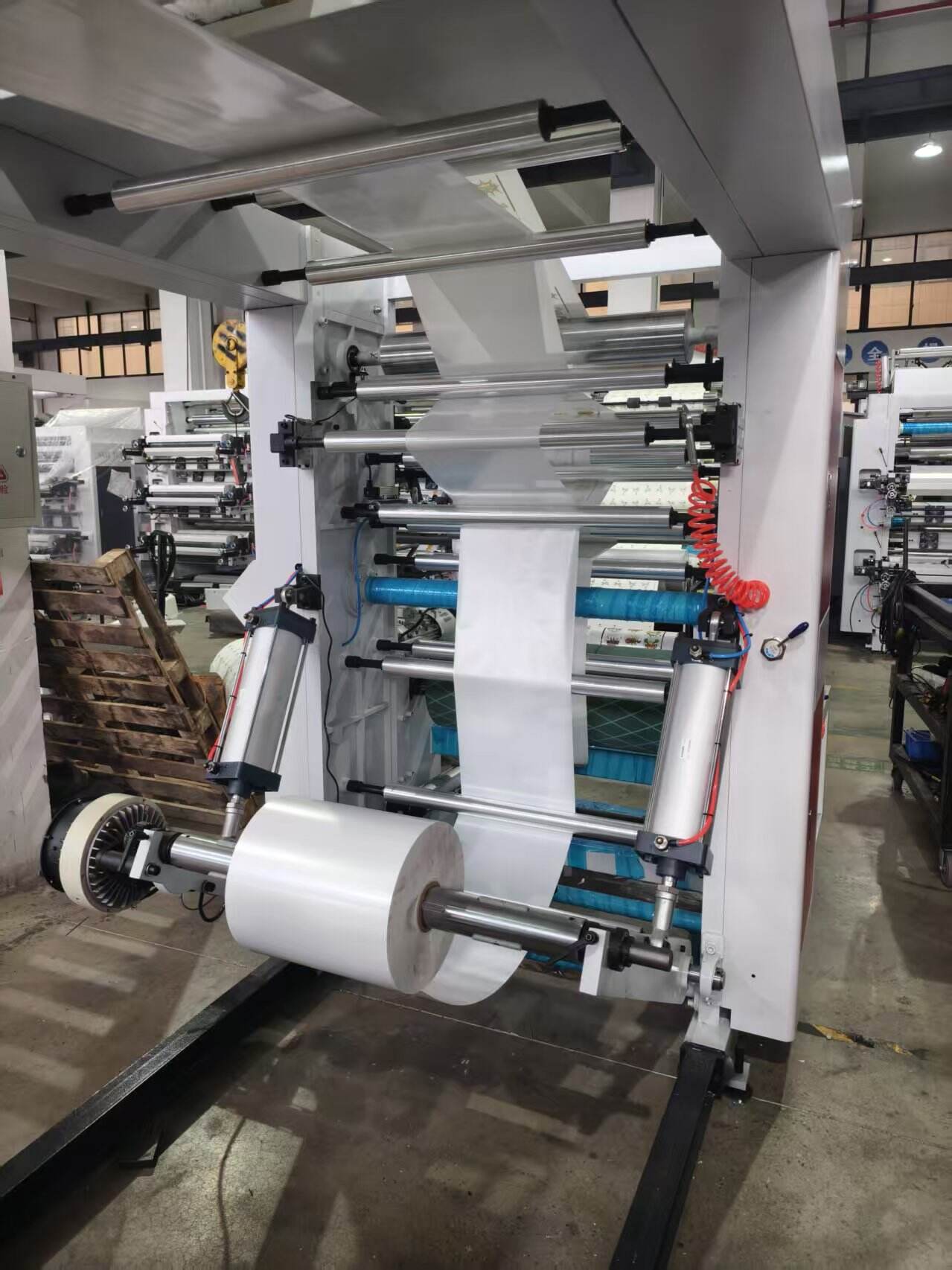
Color System Architecture: CMYK+White, Spot Color Mapping, and Material-Specific Color Limitations
Most full-color systems rely on CMYK, but adding white ink unlocks opaque, vibrant output on dark, transparent, or translucent substrates—enabling applications like custom packaging, light-diffusing components, and branded acrylic displays. Spot color mapping ensures precise, repeatable reproduction of brand-specific hues (e.g., Pantone® matches) across every batch—a requirement for marketing collateral and co-branded products. Equally important is understanding material limitations: thermoplastic filaments often mute bright or pastel tones due to pigment dispersion and thermal degradation, while resin and binder jetting deliver richer saturation and broader gamut coverage—particularly valuable for graphic-heavy or aesthetic-focused use cases.
Validate Vendor Support, Software Ecosystem, and Scalability for Long-Term Colours Printing Machine Deployment
Purchasing a colours printing machine is a strategic, long-term investment—so vendor reliability, software integration, and scalability must be validated upfront to avoid costly disruptions. Unplanned industrial equipment downtime costs North American manufacturers an estimated $50 billion annually (Deloitte, 2023); responsive vendor support—including remote diagnostics, on-site training, and rapid spare-part logistics—directly mitigates this risk. Confirm that the machine’s native software integrates natively with your existing design, color management, and workflow tools—and that the vendor maintains a clear roadmap for updates, including new ICC profiles, cloud-based collaboration features, and expanded material libraries. Finally, prioritize systems designed for incremental growth: modular upgrades like additional print heads, expanded build modules, or automated post-processing add-ons extend useful life far longer than proprietary “all-in-one” platforms that force full replacement at scale. This future-proof approach protects your initial investment while supporting evolving production goals.
FAQs
What is the importance of defining core use cases before purchasing a colours printing machine?
Defining core use cases ensures that the machine you choose aligns with your primary application needs, helping you avoid mismatched systems, streamline evaluations, and maximize efficiency.
How does total cost of ownership (TCO) impact long-term investment in a colours printing machine?
TCO considers not only the purchase price but also ongoing maintenance, consumables, energy use, and software subscriptions, giving a holistic view of long-term expenses.
What are the main advantages of high-fidelity printing technologies like Resin, PolyJet, and Binder Jetting?
These technologies offer exceptional color accuracy, vibrant fidelity, and smooth surface quality, making them ideal for marketing samples, consumer-facing prototypes, and decorative goods.
Why is vendor support critical for colours printing machines?
Reliable vendor support minimizes downtime, offers essential training, and ensures you receive timely replacements and updates for seamless operations over the machine’s lifecycle.
What hardware specifications should I prioritize for production readiness?
Key specifications include build volume for accommodating large parts, layer resolution for sharp gradients and edges, and color accuracy (measured by ΔE) for ensuring true-to-design outputs.
Table of Contents
- Clarify Your Core Printing Requirements and Use Cases
- Compare Colours Printing Machine Technologies by Output Quality and Practicality
- Assess Key Hardware Specifications That Define a Colours Printing Machine’s Real-World Performance
- Validate Vendor Support, Software Ecosystem, and Scalability for Long-Term Colours Printing Machine Deployment
- FAQs