
 EN
EN
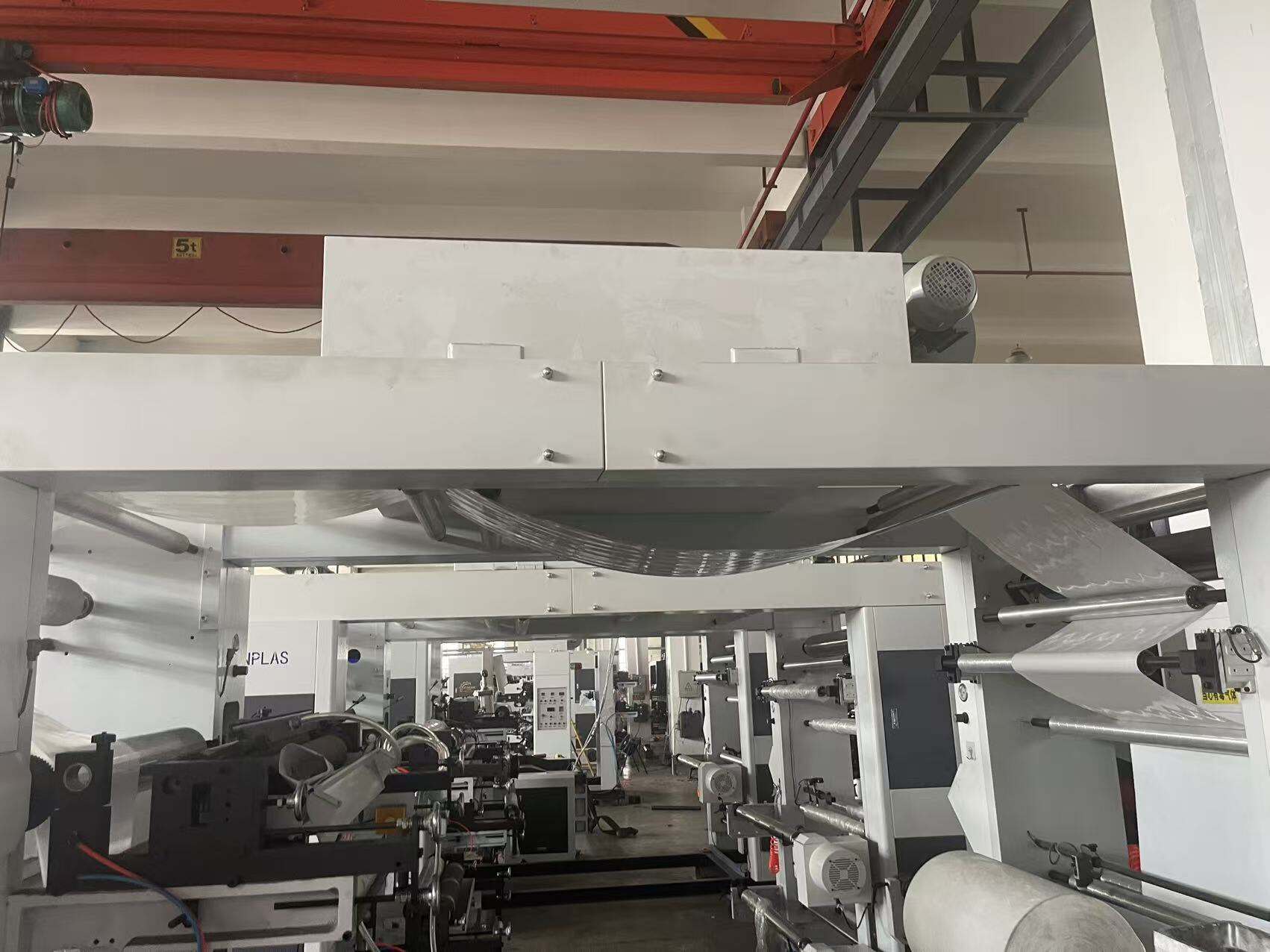
Unmatched Print Quality and Registration Accuracy
Sub-0.1 mm slitting and winding tolerance eliminates registration drift across long runs
Even minor substrate shifts during extended production runs can compromise entire batches—blurring fine text, misaligning multi-color elements, or creating halo effects that undermine brand professionalism. High-precision paper roll printing machines achieve sub-0.1 mm slitting and winding tolerance, ensuring consistent registration from the first to the final meter of roll. Unlike standard equipment prone to gradual alignment drift from uneven winding tension, this level of precision prevents cumulative errors that degrade visual fidelity and erode consumer trust. The result is fewer rejected rolls, higher first-pass yield, and reliably professional output at scale.
Uniform nip pressure control ensures consistent ink transfer at speeds of 300–600 m/min
Inconsistent nip pressure causes uneven ink laydown: over-inked zones appear muddy and dark; under-inked areas look faded and weak. High-precision systems maintain uniform contact between plate, ink, and substrate across the full web width—even at sustained speeds of 300–600 m/min. This stability delivers even color density and sharp tonal transitions without manual mid-run intervention. Operators avoid stoppages for recalibration, maintaining throughput while meeting strict brand color standards (e.g., Pantone®-matched solids and gradients) across every meter of the roll.
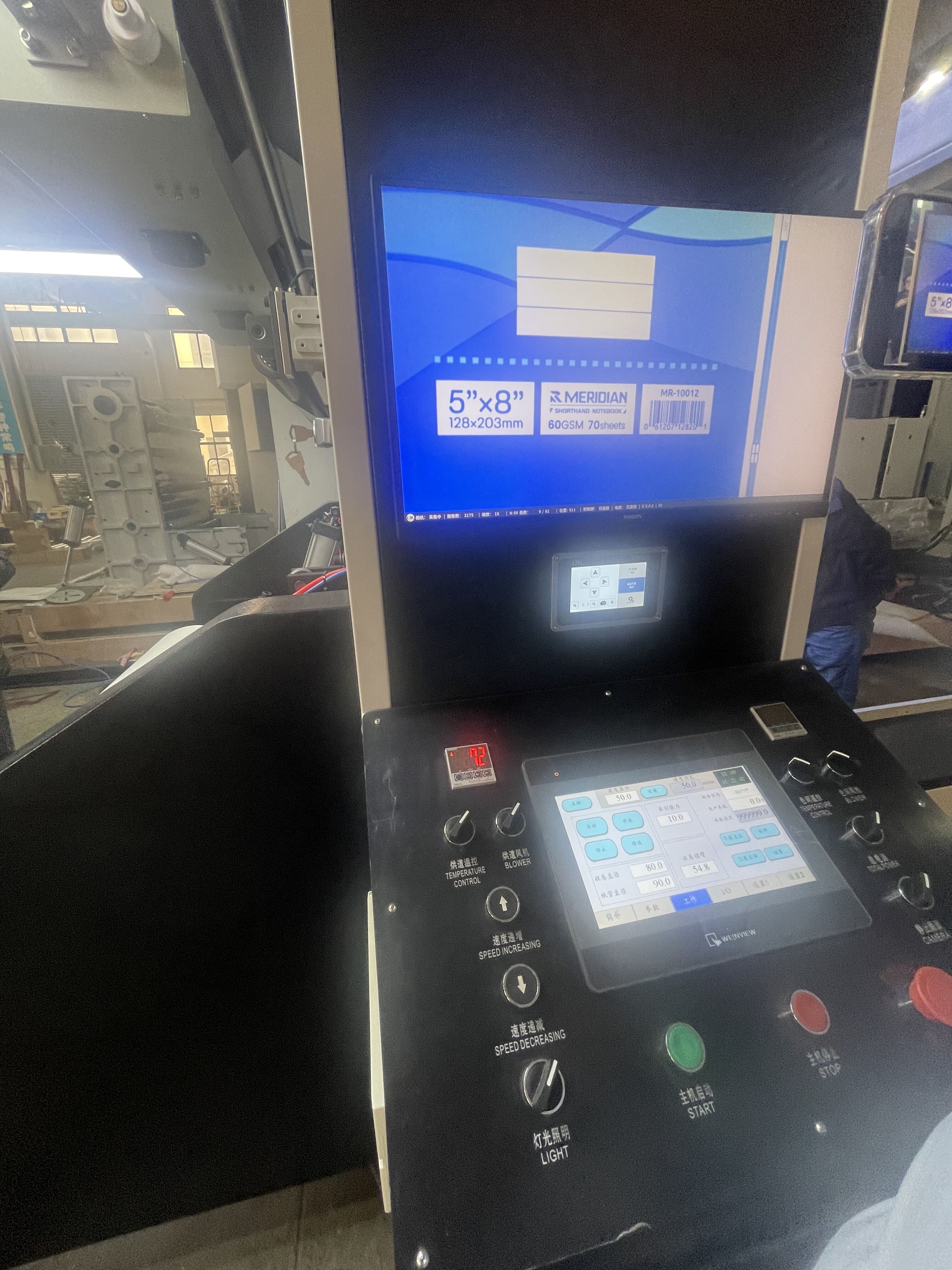
High-resolution output (175–400 lpi) with digital-grade edge fidelity for premium branding
For premium packaging and branded retail materials, visual sharpness directly influences shelf impact and perceived quality. These machines deliver 175–400 lines per inch (lpi), matching the crisp edge definition typically associated with high-end digital presses—without sacrificing the cost efficiency of roll-based production. Fine typography, intricate line art, subtle halftone gradients, and micro-registration-critical elements all reproduce cleanly, supporting cohesive brand expression across thousands of units. This resolution capability bridges the gap between short-run digital flexibility and high-volume analog economics.
Boosted Operational Efficiency and Throughput
Sustained high-speed performance up to 800 m/min without quality trade-offs
Many conventional roll printers sacrifice registration accuracy or ink consistency above 500 m/min—forcing operators to throttle speed to meet quality benchmarks. High-precision models sustain full-speed operation up to 800 m/min by integrating closed-loop tension control and real-time automatic registration correction. These features eliminate the need to de-rate speed for quality assurance, enabling more orders per shift without added labor or capital investment in parallel lines.
Inline flexo integration slashes changeover time by 35%—enabling rapid job switching
Manual setup between jobs—including platen repositioning, ink system priming, and tension recalibration—can consume 30+ minutes per changeover. Built-in inline flexo integration automates these steps, reducing average changeover time by 35%. Faster transitions support greater mix flexibility: facilities can profitably accommodate more short-run, high-margin custom jobs without delaying bulk orders. Reduced idle time also lifts overall equipment effectiveness (OEE), strengthening capacity utilization across the production floor.
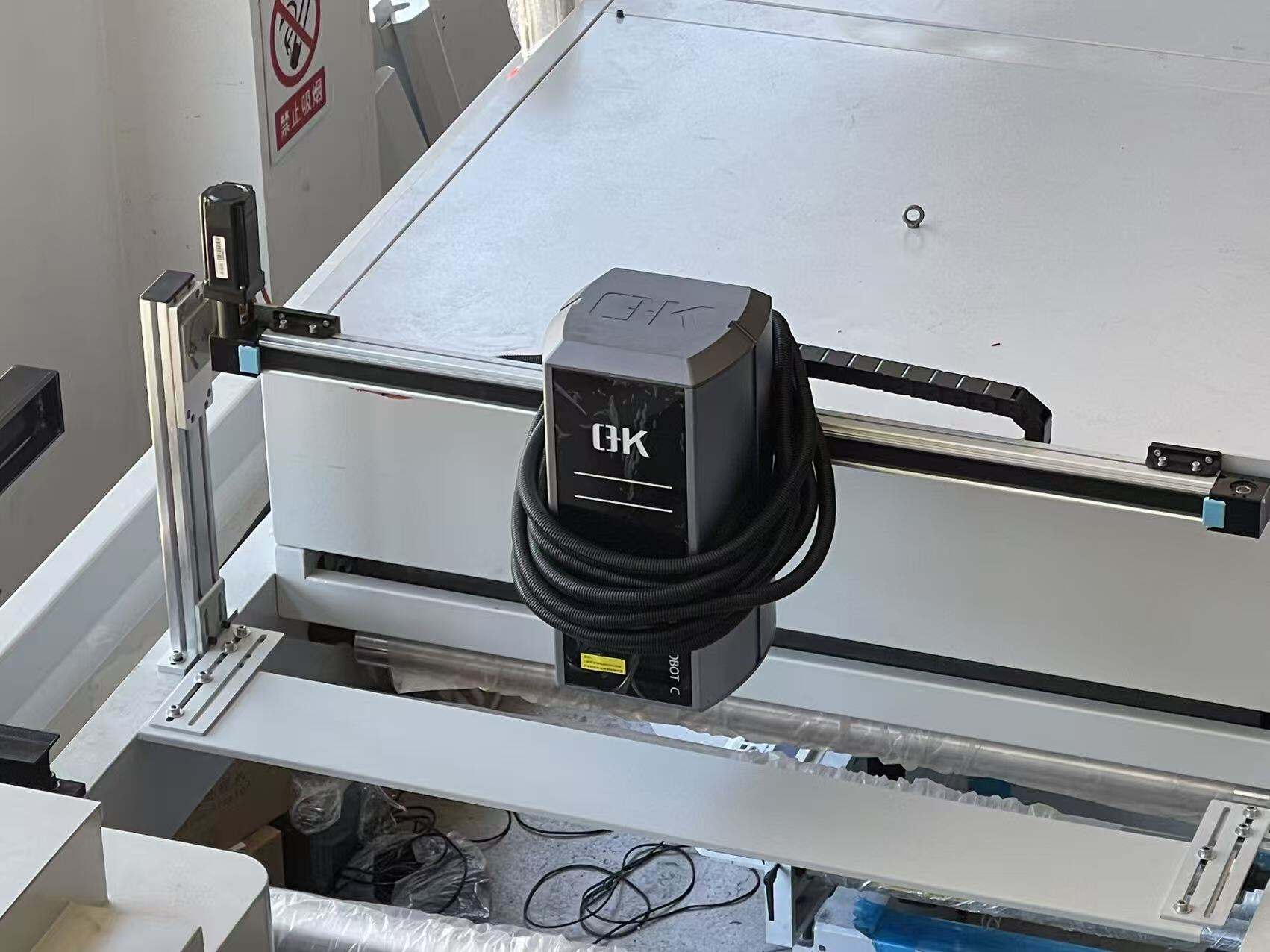
Tangible Cost Savings and Sustainability Benefits
22% reduction in substrate waste through precision-driven ink transfer and tension stability
Precision engineering translates directly into material savings: high-precision roll printing reduces paper substrate waste by 22% compared to standard equipment, according to industry benchmarking data from the Flexographic Technical Association (FTA) and verified facility audits. Two interdependent factors drive this gain—first, tightly controlled ink transfer minimizes bleed and overspray that render full sections of roll unusable; second, stable web tension prevents wrinkling, stretching, and edge curl that cause off-spec output. Lower waste cuts raw material costs, disposal fees, and energy used in processing rejected stock—while also reducing Scope 1 and 2 emissions per unit produced. For print providers responding to client ESG requirements or pursuing certifications like FSC® or ISO 14001, this operational efficiency strengthens both financial and environmental positioning.
FAQ
What is the importance of sub-0.1 mm slitting and winding tolerance in roll printing?
This precision eliminates registration drift during long production runs, ensuring consistent quality and reducing rejected rolls.
How does uniform nip pressure control affect print quality?
It ensures even ink transfer across the substrate, maintaining consistent color density, avoiding manual intervention, and reducing stoppages.
What resolution does high-precision roll printing equipment deliver?
These machines achieve 175–400 lpi, providing digital-grade edge fidelity suitable for premium branding and retail materials.
Can high-precision roll printers operate at high speeds without compromising quality?
Yes, they can sustain speeds of up to 800 m/min with features like closed-loop tension control and automatic registration correction.
What sustainability benefits do high-precision roll printers offer?
They reduce substrate waste by 22%, minimize energy consumption, and lower emissions, supporting ESG goals and certifications like FSC® or ISO 14001.
Table of Contents
- Unmatched Print Quality and Registration Accuracy
- Boosted Operational Efficiency and Throughput
- Tangible Cost Savings and Sustainability Benefits
-
FAQ
- What is the importance of sub-0.1 mm slitting and winding tolerance in roll printing?
- How does uniform nip pressure control affect print quality?
- What resolution does high-precision roll printing equipment deliver?
- Can high-precision roll printers operate at high speeds without compromising quality?
- What sustainability benefits do high-precision roll printers offer?