
 EN
EN
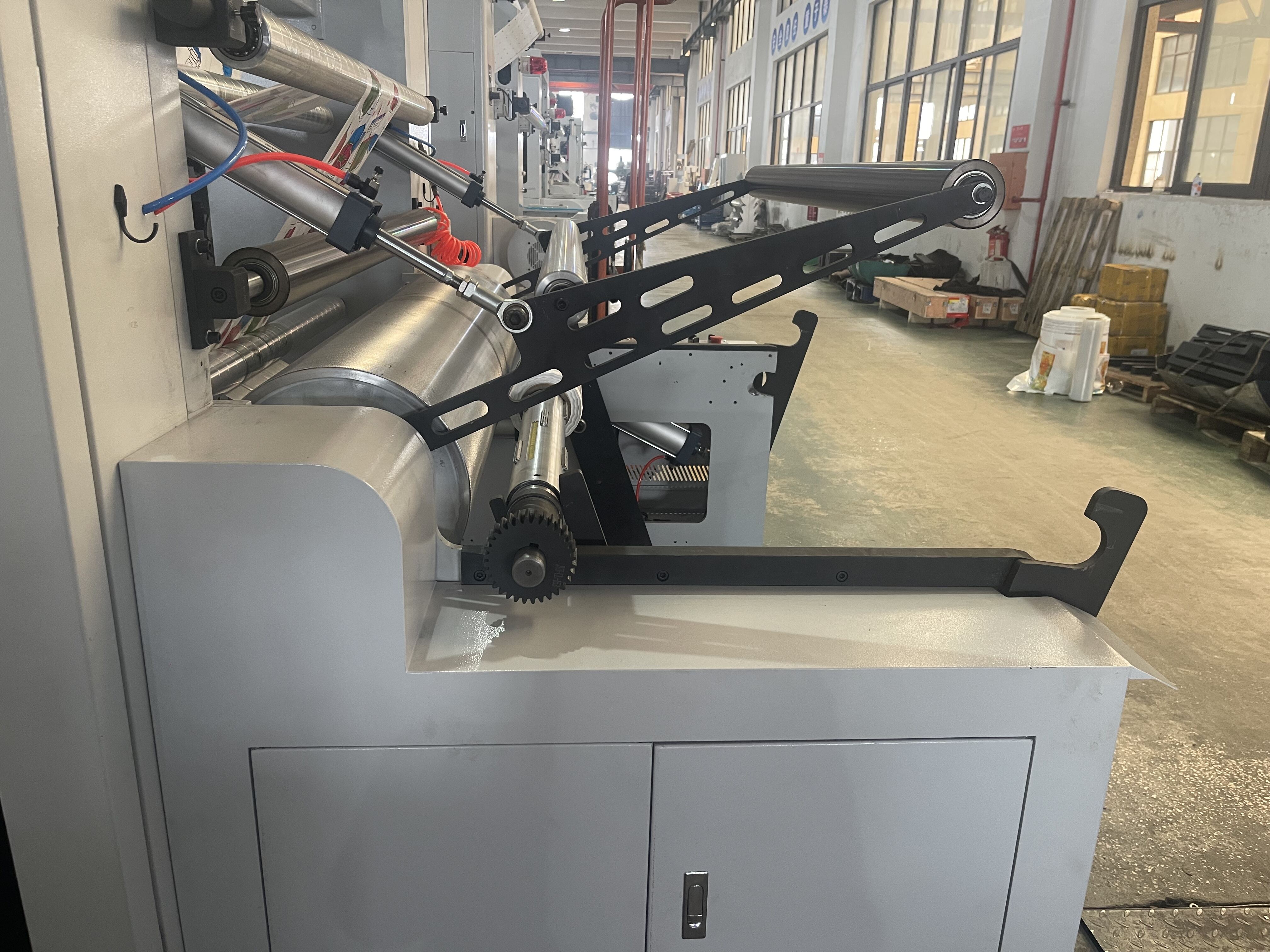
Precision Print Registration and Color Consistency
Achieving flawless print quality starts with precision registration and color fidelity—non-negotiable features in any industrial-grade paper bag printing machine. Even minor deviations compromise brand perception, especially in retail environments where visual consistency directly influences consumer trust.
Why registration errors compromise brand integrity in retail paper bags
Misaligned graphics or logos—often caused by mechanical drift or substrate instability—create unprofessional impressions that erode brand value. A 0.3mm registration shift can distort intricate designs, triggering 42% higher customer complaints according to packaging industry surveys (2024). Luxury brands face particular risk, as misregistered metallic inks or embossing elements signal quality control failures to discerning shoppers.
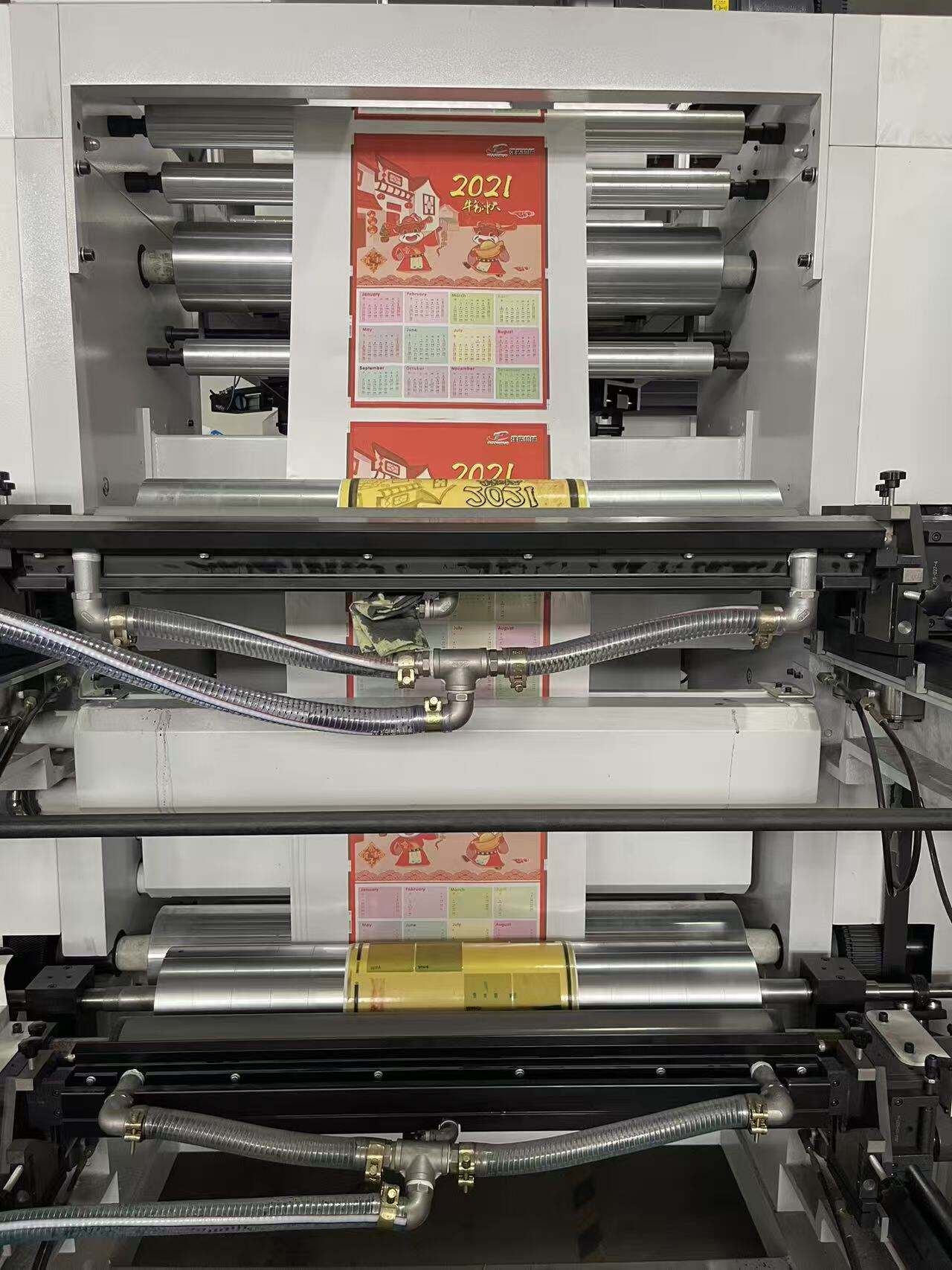
How servo-driven registration systems deliver ±0.05 mm repeatability
Modern servo systems eliminate mechanical backlash through real-time positional feedback loops, maintaining tolerances tighter than human hair (0.05mm) at production speeds exceeding 200m/min. Unlike traditional chain-driven mechanisms, these direct-drive systems automatically compensate for substrate stretch and tension fluctuations—ensuring perfect alignment across multi-pass prints on thousands of kraft paper bags. This precision is critical not only for design continuity but also for barcode scanning reliability.
Inline camera-based closed-loop color correction: Reducing rework by 37%
Integrated spectrophotometers continuously monitor ink density against Pantone standards, triggering automatic adjustments when deviations exceed ΔE < 2.0—the threshold for perceptible color variance. By catching drift during production—not post-print—this real-time correction slashes rework rates by 37%, per the Packaging Efficiency Report 2023. It’s especially vital for natural kraft substrates, where variable fiber absorption causes unpredictable dot gain; the system dynamically adjusts ink viscosity and impression pressure to sustain 98% color match consistency.
Robust Mechanical Stability for High-Speed Paper Bag Production
Tension Instability at >200 m/min: Causes and Operational Impact
Maintaining consistent paper tension becomes critical when operating a paper bag printing machine at speeds exceeding 200 meters per minute. Uncontrolled tension variations cause material slippage, misaligned prints, and increased substrate waste—directly impacting production efficiency. Studies from leading manufacturers indicate that tension-related defects account for over 18% of unscheduled downtime in high-volume facilities. This instability stems from rapid acceleration forces, uneven roll diameters, and inconsistent friction coefficients across guide rollers. Without proper control mechanisms, these factors lead to web breaks, register errors exceeding tolerance limits, and material waste rates climbing beyond 3.5%.
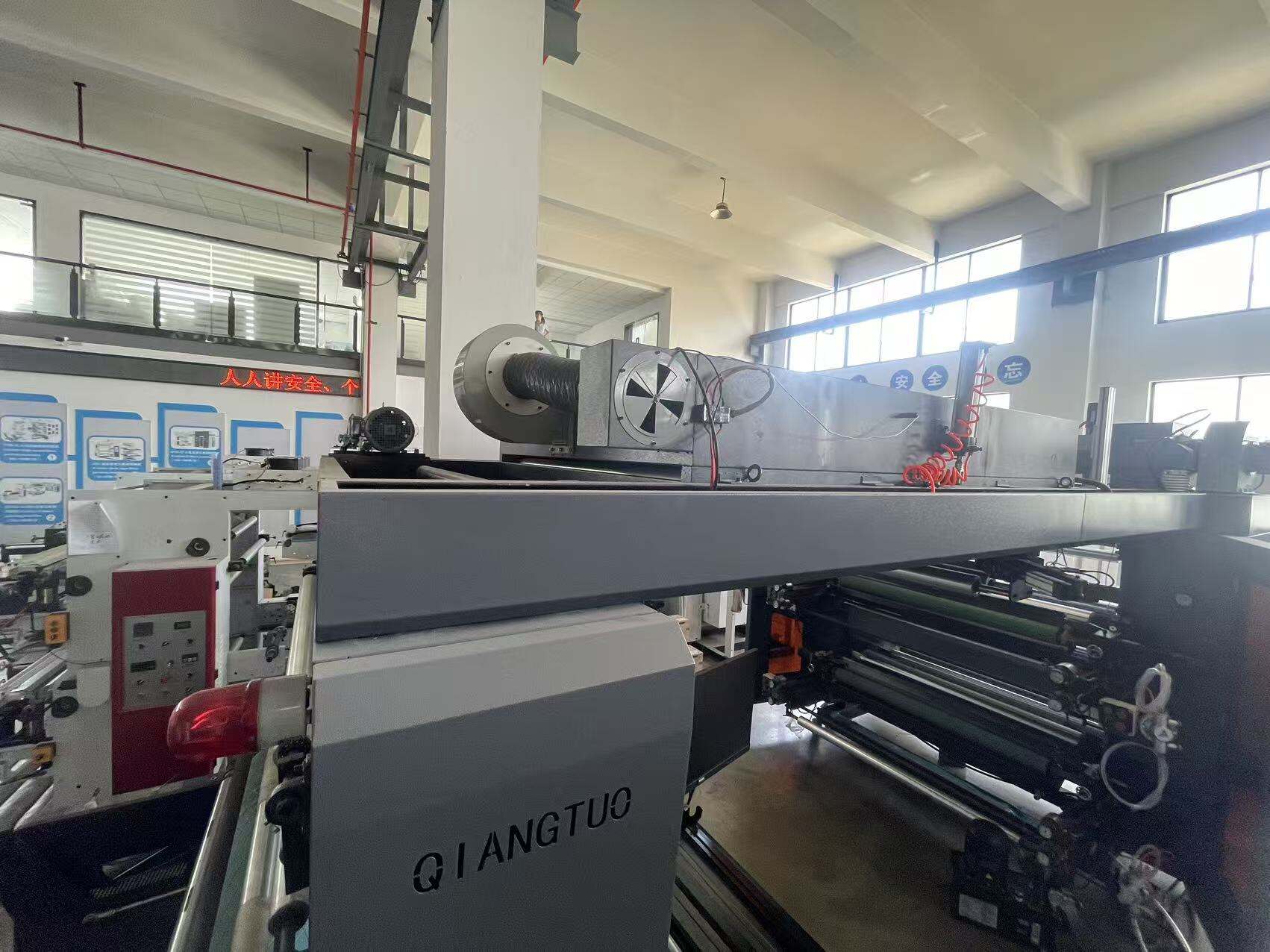
Dual-Servo Tension Control and Ceramic-Coated Rollers for 94.2% Uptime
Advanced machines counteract these challenges through dual-servo tension control systems that dynamically adjust torque across unwind and rewind stations. These systems employ real-time load cell feedback to maintain tension within ±0.5 Newton tolerances, even during rapid speed transitions. Complementing this technology, ceramic-coated rollers reduce friction-induced tension spikes by 62% compared to standard chromium-plated alternatives. Their micro-porous surface creates a controlled air cushion that minimizes drag while preventing static buildup. Facilities implementing both technologies report average uptime improvements reaching 94.2% and defect reductions of 41%, according to packaging industry benchmarks.
Flexographic Printing Optimization for Diverse Paper Substrates
Ink feathering and dot gain challenges on uncoated kraft paper
Uncoated kraft paper—the preferred material for premium paper bags—introduces unique flexographic printing hurdles due to its porous, fibrous surface. Ink feathering occurs when liquid inks spread uncontrollably along cellulose fibers, blurring fine lines and text. Simultaneously, dot gain (halftone dot expansion exceeding 30% on kraft surfaces) causes color shifts and muddy gradients. These defects compromise brand aesthetics: a 2023 Packaging Impressions survey found 68% of consumers perceive bags with blurred graphics as “low-quality.” A high-quality paper bag printing machine must counteract these substrate-driven distortions through precision engineering.
Anilox volume matching (3.5–5.5 bcm) and water-based ink formulation for 98% edge sharpness
Optimizing anilox roll volume is critical for controlling ink deposition. For uncoated kraft, volumes between 3.5–5.5 billion cubic microns (bcm) per square inch balance capillary action and viscosity—preventing feathering while maintaining opacity. Pairing this with low-VOC water-based inks creates sharper edges because these formulations penetrate fibers more predictably than solvent alternatives. Recent trials show this combination achieving 98% edge definition accuracy on kraft substrates when combined with precise impression settings—reducing rework by 19% compared to conventional methods.
Smart Automation and Sustainable Integration for Modern Paper Bag Printing Machines
Modern paper bag printing machines leverage smart automation to significantly boost operational efficiency while supporting sustainability goals. Automated systems streamline complex processes that traditionally required manual intervention, reducing errors and material waste.
Reducing manual ink changeover time from 18+ to under 3 minutes
Automated ink management systems revolutionize color change procedures. Instead of labor-intensive manual cleaning and recalibration, these systems utilize programmable cartridges and self-cleaning mechanisms. This automation slashes changeover duration from over 18 minutes to less than 3 minutes—maintaining color consistency while eliminating production bottlenecks. The time savings directly translate to higher throughput and reduced machine downtime, making operations more sustainable through decreased energy consumption per unit produced.
FAQ
Why is precision registration important in paper bag printing?
Precision registration ensures that graphics, logos, and designs are perfectly aligned throughout the printing process, essential for maintaining brand integrity and consumer trust.
What causes tension instability in high-speed paper bag printing?
Factors like rapid acceleration, uneven roll diameters, and variable guide roller friction can lead to tension instability, causing defects and increased downtime.
How do dual-servo tension control systems improve production?
Dual-servo systems dynamically adjust torque and maintain tension within tight tolerances, reducing defects and improving operational uptime.
What is the role of anilox roll volume in flexographic printing?
Anilox roll volume controls ink deposition, ensuring edge sharpness and opacity, especially on challenging substrates like uncoated kraft paper.
How does automation reduce downtime in modern printing machines?
Automation, such as automated ink management systems, minimizes changeover times and errors, boosting throughput and operational efficiency.
Table of Contents
- Precision Print Registration and Color Consistency
- Robust Mechanical Stability for High-Speed Paper Bag Production
- Flexographic Printing Optimization for Diverse Paper Substrates
- Smart Automation and Sustainable Integration for Modern Paper Bag Printing Machines
-
FAQ
- Why is precision registration important in paper bag printing?
- What causes tension instability in high-speed paper bag printing?
- How do dual-servo tension control systems improve production?
- What is the role of anilox roll volume in flexographic printing?
- How does automation reduce downtime in modern printing machines?