 EN
EN
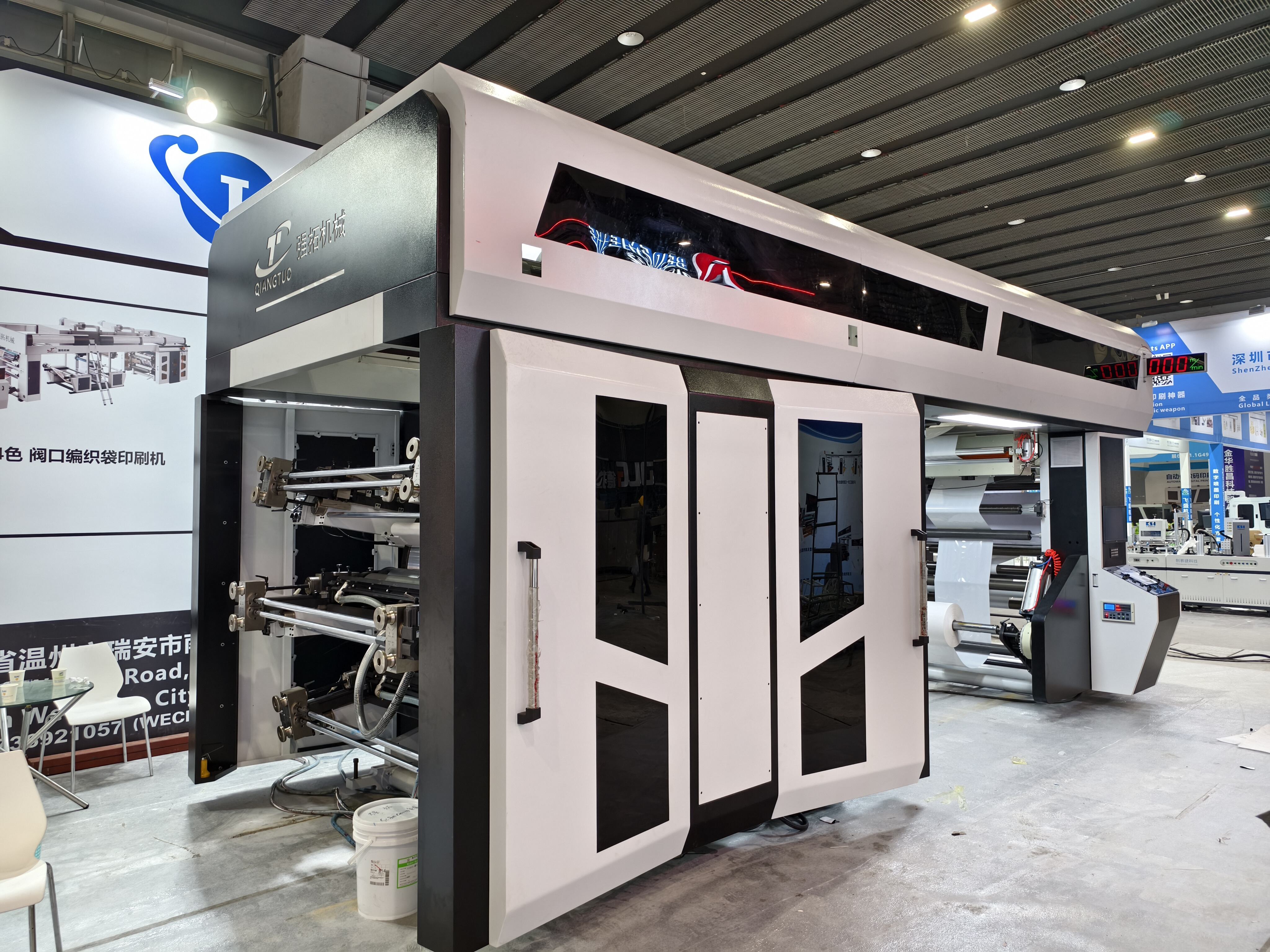
Core Durability Indicators: Frame, Drivetrain, and Critical Components
Heavy-Duty Frame Rigidity and Vibration Control for Long-Term Registration Stability
As the foundational structural element of a flexographic printing press, the frame dictates long-term durability, registration stability, and printing consistency. During mass production runs comprising thousands of successive impressions, inadequate frame rigidity leads to vibrations that negatively impact precision and accuracy of printing, which in turn, leads to wasted materials, rework, and additional wear on precision components. Heavy-duty, precision-welded frames built with thick, stress-relieved steel dampen vibrations much more effectively than lightweight or lower-grade frame options. Based on validation of the Flexographic Technical Association (2024), such frames maintain registration accuracy for a 25% longer period of time over a five-year duration of continuous operation, which reduces the frequency of maintenance and helps to preserve printing quality for long printing runs.
Gearbox, Bearing, and Servo Drive System Specifications for 24/7 Flexographic Printing Machine Operation
The components of the drivetrain must be highly durable to support round-the-clock printing. The gearboxes are precision-ground to be 30% more frictionless than standard spur gearboxes and support a service life that is up to 40% longer due to a significant reduction in thermal build-up (Packaging Machinery Manufacturers Institute, 2023). Perloaded, precision-grade bearings with wear-resistant coatings also support constant rotating loads without developing premature fatigue or loss of support. High-torque, closed-loop servo drive systems supply consistency of control at varying production needs to prevent damaging impacts of inconsistent control across the drivetrain. All components of the drivetrain are designed for continuous operation to support the rigors of the mass production environment.
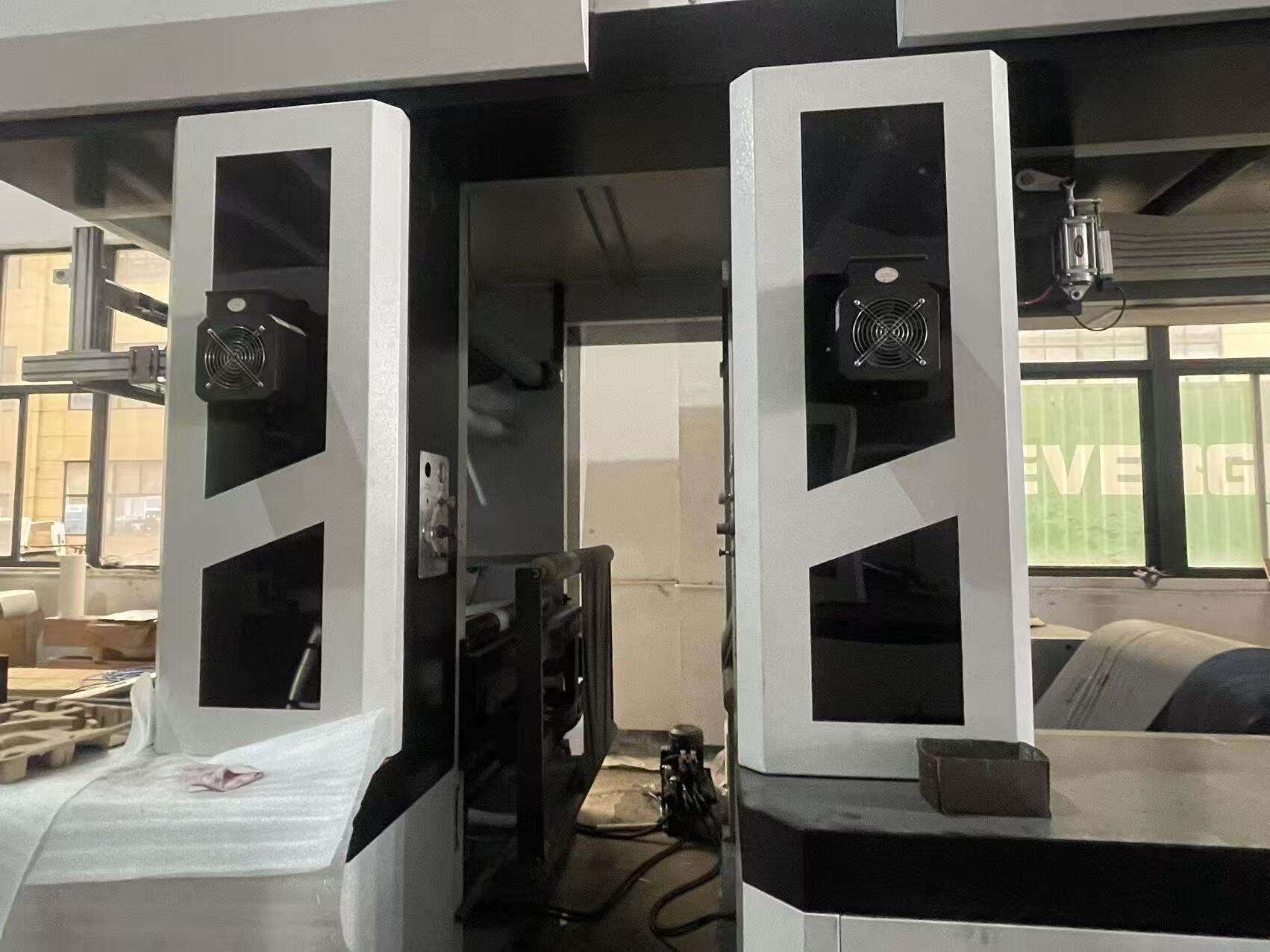
When looking at performance reliability for mass production, there are three key metrics: uptime, MTBF, and throughput. Uptime is the simplest. In terms of uptime, the best flexo machines have more than 99% uptime. Uptime and MTBF are more robust metrics, since both account for real world wear and tear. MTBF, or Mean Time Between Failure, is measured after thousands of runtime hours. Achieving high MTBF and uptime leads to the best outcomes in production. High MTBF/uptime leads to a predictable output, and overall lower lifecycle costs. For some context, here is a metric for MTBF and uptime for low versus high reliability:
Metric Low Reliability High Reliability
Uptime <95% >99%
MTBF <5,000 hours >20,000 hours
Annual Downtime 18+ days <4 days
High reliability is achieved through integration and not just specification. Some key features to look for are vibration controlled drivetrains, bearing that support continuous rotation, and modular designs that support rapid on-site repairs. You should always trust MTBF over advertising. You will get sustained throughput without sacrificing quality.
Material and Process Compatibility
UV/LED vs. IR Drying Systems and Impact on the Lifespan of Flexographic Printing Machines from Thermal Stress
When selecting drying systems, the focus should be on integrity over time. With traditional IR systems, the reliance on high radiant heat causes not only high ambient temperatures but high internal machine temperatures as well, while the machine is in continuous operation. As a result, machines that print in IR heated continuously 24 hours a day, 7 days a week, experience fatigue in the metal and potentially warp frames, cause screws to loosen, and degrade the alignment of the print. In contrast, UV/LED drying systems cure inks at room temperature and core dried IR systems result in a 60% reduction in thermal core component UV/LED flexographic printing systems improve frame, gear, and bearing lifespan, and reduce the frequency of maintenance and the loss of printed output. For high volume flexographic printing, UV/LED systems drying integration improve longevity, reduce maintenance, and improve output.
Total Cost of Ownership (TCO): Maintenance Design and the Support Infrastructure
Modular Maintenance Access and Regional Spare Parts Availability for Industrial Flexographic Printing Machines
In calculating Total Cost of Ownership (TCO), acquisition price matters less than rapid integration of a flexographic printing machine into the maintenance ecosystem. Modular design, meaning access panels for servicing are tool-free, and interfacing is standardized, results in a 35% reduction in mean time to repair, lowering labor costs and minimizing downtime. An equally high priority is a regional spare parts infrastructure. Packaging plant downtime costs the industry roughly $740,000 per day (Ponemon Institute, 2023), further underscoring the need to warehouse and offer critical components on 24-hour delivery.
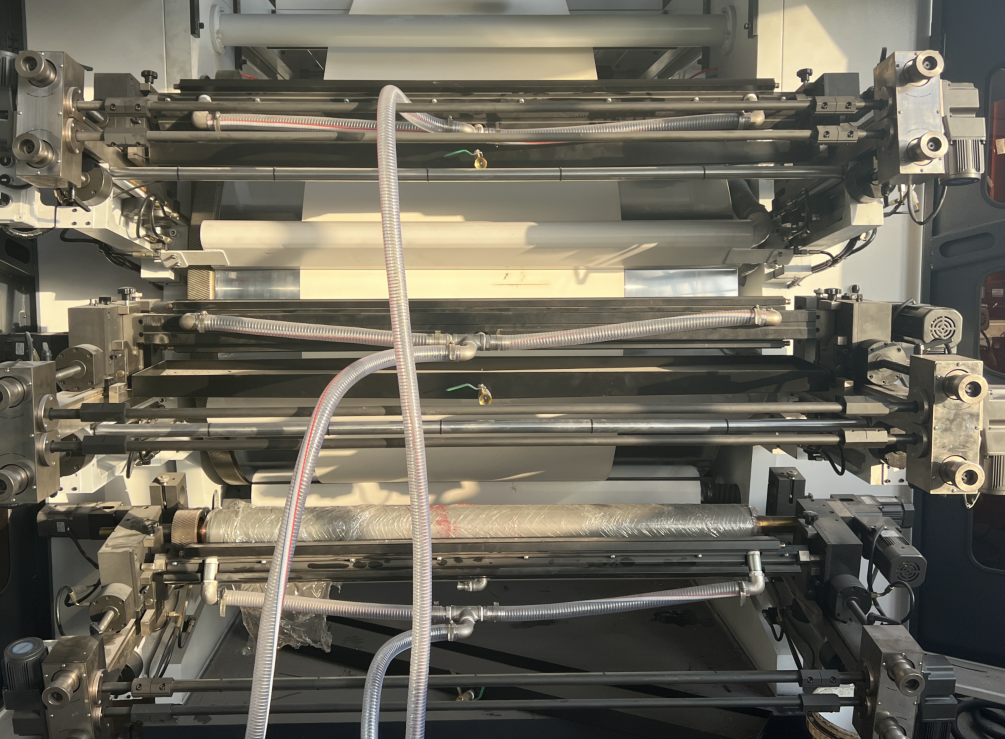
Critical factors for achieving low Total Cost of Ownership (TCO):
- Standardized, cross-model component design
- Local distribution hubs stocked with high-turnover parts
- Predictive maintenance enabled by IoT
TCO Factor Impact (Over 5 Years)
- Modular design - 18% reduction in service labor
- Regional parts inventory - 32% reduction in downtime
- Remote diagnostics - 27% reduction in technician calls
A complete TCO analysis includes all Capital Expenditures (CapEx), Operating Expenditures (OpEx)—including energy, consumables, and labor—and the costs associated with end-of-life decommissioning. Industries using flexographic printing modules supported by regional hubs report a 14-month return on investment (ROI) from enhanced operational productivity and continuous service.
FAQs
What benefits come from using heavy-duty frames in flexographic printers?
Heavy-duty frames help minimize vibrations and improve print quality by simplifying frequent maintenance. They also help avoid the frame losing registration.
What advantages do UV/LED drying systems offer over IR drying systems?
UV/LED systems dry more effectively at lower temperatures and thus cause less thermal stress. This improves drying system durability.
Why does modular construction lower Total Cost of Ownership (TCO)?
Shorter service times and less service needed mean fewer and shorter downtimes.
Why is a high mean time between failures (MTBF) important, and what does it mean for production reliability?
High MTBF means less downtimes and lower lifecycle costs. It is critical for reliability and sustained operation.