
 EN
EN
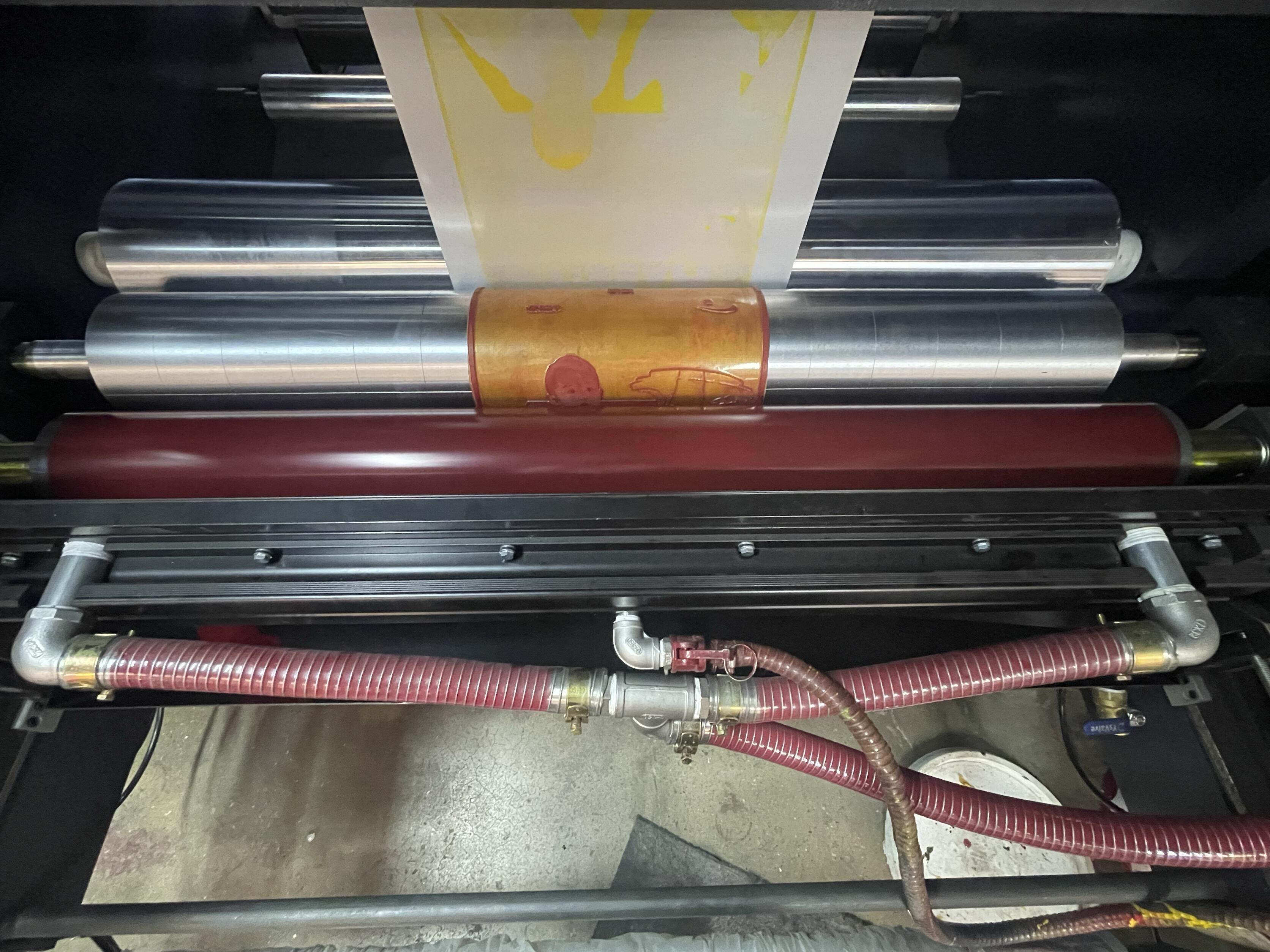
Speed Meets Precision: Modern Flexographic Printing Machines With High Throughput and Consistent Quality
Modern flexographic printing machines have integrated engineering systems that have eliminated the long-standing trade-off between speed and accuracy. Precision registration maintains alignment within ± 0.1 mm even at full operational speed, and tension control systems automate stability of the substrate between printing stations to prevent stretching, slippage and distortion. Spectral do inline cameras collect data to the closed-loop systems of feedback, which automatically corrects adjustments of ink viscosity and pressure. Direct drives of servos replace mechanical drives, eliminate backlash, and ensure perfect synchronization among print units. Together, these systems enable first-pass success rates of greater than 98% and waste reductions of as much as 40% compared to current printing presses on the market.
Real-World Gains in Throughput: 300 to 800+ m/min Without Sacrificing Quality
Modern flexographic printing machines can be operated by the highest level converters at speeds of 300 m/min to 800 m/min and greater. Achieving the the next high level of throughput has been accomplished by faster mechanisms and supporting systems, such as high efficiency ultraviolet and LED curing units that reduce thermal distortion in heat sensitive films, laser-engraved anilox rollers that control ink volumes to produce consistent color and fine gradients in color text and intelligent systems that reduce the time of set-up to less than 15 minutes.
Performance Metric Legacy Machines Modern Flexo Presses
Max Speed 150–300 m/min 300–800+ m/min
Registration Accuracy ±0.5 mm ±0.1 mm
Waste Reduction 12–15% 3–5%
This resulted in a 25% growth in yearly output for the same machine footprint, allowing brands to respond to abrupt changes in their distribution demands while still providing high-quality printed products. Flexo printing machines have undergone a substantial advancement from being standard production machines to becoming a sophisticated production system.
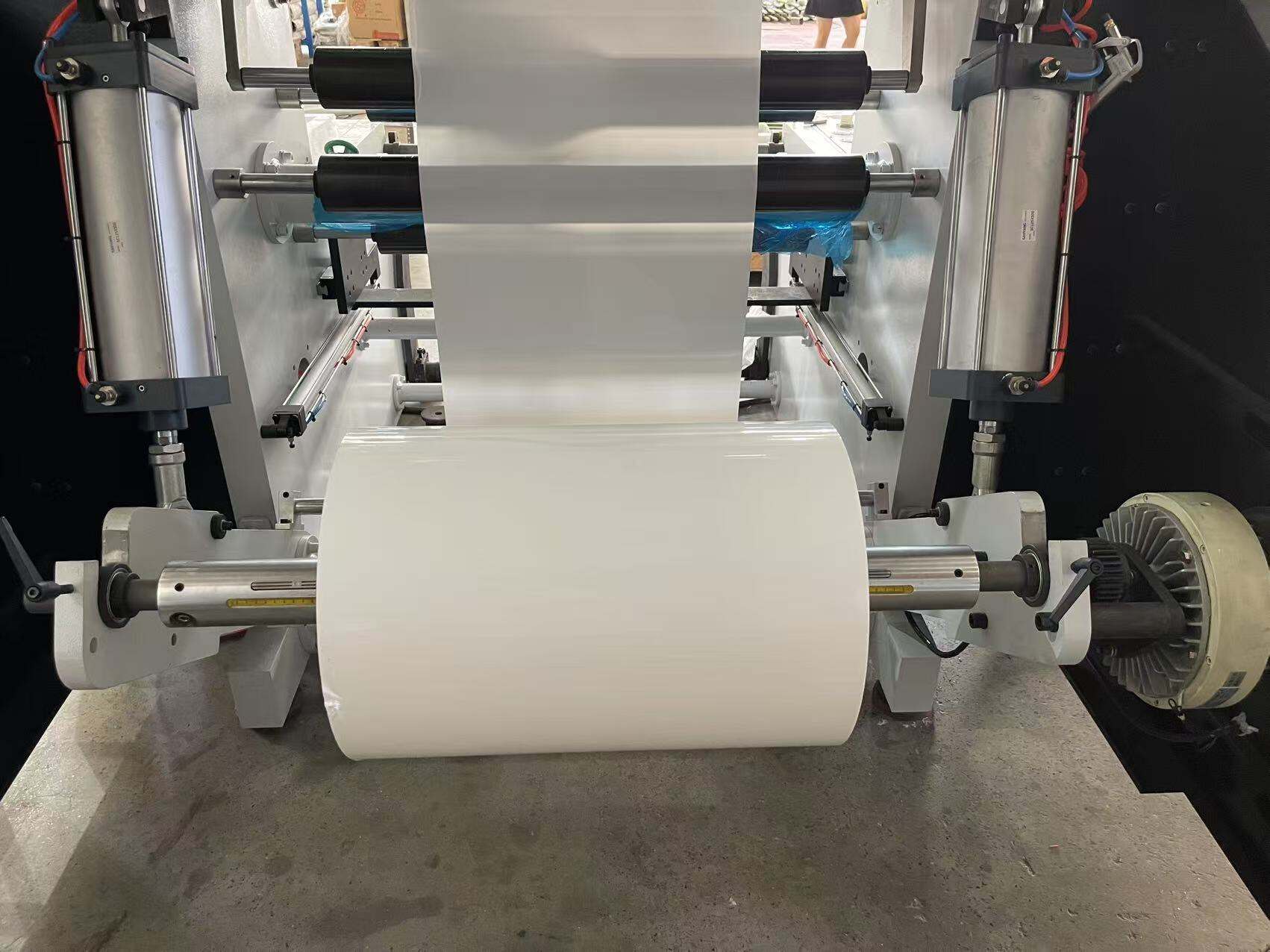
Substrate Adaptability: Understanding Why the Best Flexo Printing Machines Perform Well for Packaging, Labels, and Specialized Substrates
The best modern flexo printing machines achieve wide substrate adaptability through advanced design, rather than compromise. Their tension-controlled web paths, micro-adjustable impression systems, and material-specific drying profiles sustain precise registration and ink transfer across porous paperboard, ultra-thin polyethylene films, metallized foils, and textured recycled stocks—all at speeds exceeding 300 m/min. This assurance eliminates the need for dedicated lines or secondary finishing when switching between rigid cartons and flexible pouch films.
Handling Diverse Materials: Flexible Films, Foils, Paperboard, and Recycled Stocks
Excellent performance with materials stems from design modularity and advanced process control. For snack packaging films, UV-curable inks dry instantly with little to no smudging, while optimized plate elastomers resist fiber lift on recycled corrugated board. Metallic foils benefit from servo-controlled impression cylinders that modulate pressure in real time to prevent delamination and crushing of sensitive laminates. It is noted in the 2023 Packaging Efficiency Benchmark Report that such performance adaptability decreases waste related to changeovers by 15-30% from the previous generation of printing presses.
Application-Specific Advantages in Food Packaging, Pharma Labels, and E-Commerce Fulfillment Reporting and acting on demands help in flexo integration. FDA-approved water-based inks meet migration limits and adhesion to moisture barrier films convey frozen foods packaging. Pharma labels make use of flexo with ability to render 6 point micro text and high contrast barcodes on zero registration drift, tamper evident, substrates. Flexo’s rapid printing of scuff and humidity resistant labels on pressure sensitive stocks is helpful to accommodate the 12% yearly growth of online retail (Packaging Digest, 2024).
Total Cost of Ownership: Waste Reduction, Automation, and ROI of a High-Speed Flexographic Printing Machine
Dramatic Waste Reduction through Automation and First-Pass Accuracy
Flexo’s value engineering has helped many of the manufacturers reduce their total cost of ownership via first-pass accuracy and automation. First-pass accuracy is currently above 98%, reducing spoilage of substrate during makeready. Newly automated register calibration maintains color-to-color alignment within 0.1 mm throughout the long runs, eliminating the 15% to 25% setup waste previously seen in this process. The integrated spectral color measurement system has closed the loop on ink dosing and is anticipated to contribute an overink reduction of 30%. Facilities have cited savings in excess of $140,000 per substrate due to this technology (Packaging Efficiency Report, 2024).
Waste Reduction Factor Traditional Machine Advanced Flexo Machine Improvement
Setup Waste 12–18% 2–4% 83% ↓
Registration Waste 5–8% <1% 90% ↓
Ink Overconsumption 10–15% 3–5% 70% ↓
Benefits of Integrated Automation
Automation changes everything. Your operation will be more efficient with servo-driven systems. Full changeover of all job components, which include mounting and loading of plates and calibrating the registers, will be done in under 10 minutes. That is 75% faster than mechanical alternatives, with a 30% – 40% increase in production. A single operator can run more than one machine, saving as much as 40% in labor costs. With variably timed mechanisms and energy-conscious drying systems, power consumption is reduced by 25%. All of this leads to a completed value of the savings and efficiencies in 18- 24 months and savings of more than $200,000 every year after on every production line.
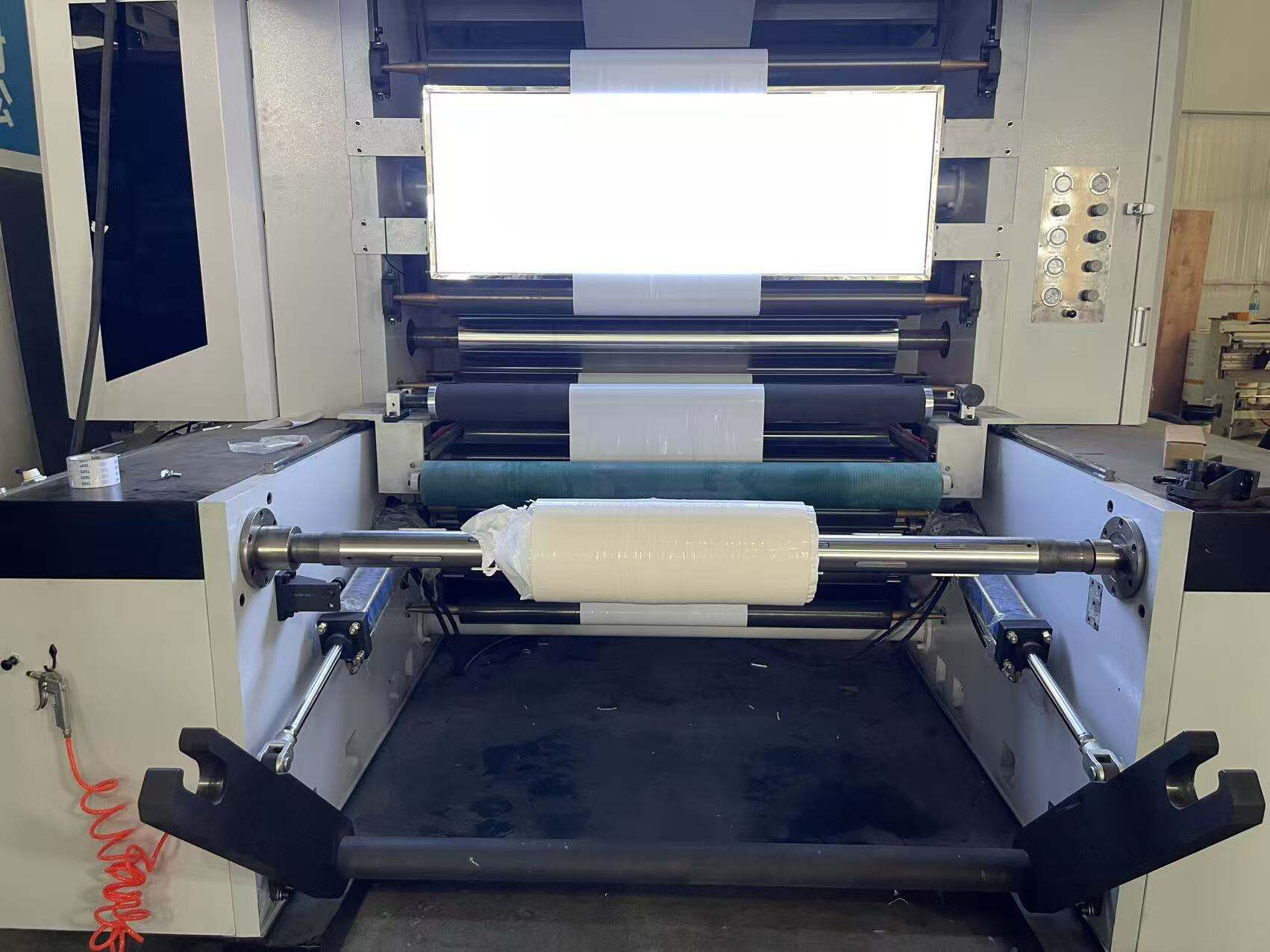
Strategic Fit: How to Choose the Flexographic Printing Machine that Meets Your Business Demands
Understanding the limitations and capabilities of the flexographic printing machine is essential to making a good purchasing decision. The first step is to understand your production volume. If your business typically produces large volumes of output with low Stock Keeping Units (SKUs), then a flexographic printing machine with a high throughput is best. However, if your production volume is mid-sized, a flexographic printing machine with modular design or a compact building footprint is best. After assessing production volume, understand your substrates. You must confirm that the press accepts the substrates your business most frequently uses, whether they be flexible films, coated paperboard, or other specialty substrates. Look for automation focused on cost drivers, such as auto-register systems to reduce job change and waste. Multi-material converters will also benefit from advanced tension control. Quick-mount plate systems will most benefit a label-making business with frequent SKU turnover, while a packaging converter will benefit from effective web control systems to manage diverse stocks. Be sure to compare the requirements against specifications for web size, print station number, and other key printing factors. Lastly, consider the total cost of ownership including energy cost, maintenance and repair, and the estimated lifetime of the machine. A flexographic printing machine that is purchased and strategically aligned becomes more than an expensive purchase, but offers value through improved speed, quality, and profit margins.
FAQ Section
What is the accuracy delivered by modern flexographic printing machines?
Modern flexographic machines print to within ±0.1 millimeters. This results in repeatable and accurate prints, even at high printing speeds.
What throughput can be achieved with advanced flexographic presses?
Modern flexographic machines can print at speeds of 300–800+ meters per minute, making the throughput 2x greater than with older printing systems.
How do flexographic machines handle different types of substrates?
Adaptive engineering techniques within these machines give them a tension-controlled web path, allowing which impression is pressed onto which substrate to be configured as needed. This lets them handle flexible films, paperboard, and a variety of recycled stocks.
What are the major cost benefits of these machines?
Altering jobs with lower employee input, preventing waste, and successfully cutting down energy use all contribute to significant savings and a fast return on investment.
How should companies choose the most appropriate flexographic printing machine?
Choosing machines should consider a company's production capacity, the types of substrates they plan to use, and their operating and automation needs all while bearing the total cost of ownership and long-term advantages in mind.