 EN
EN
The 30‑Minute Changeover That Saved $18,000 a Month
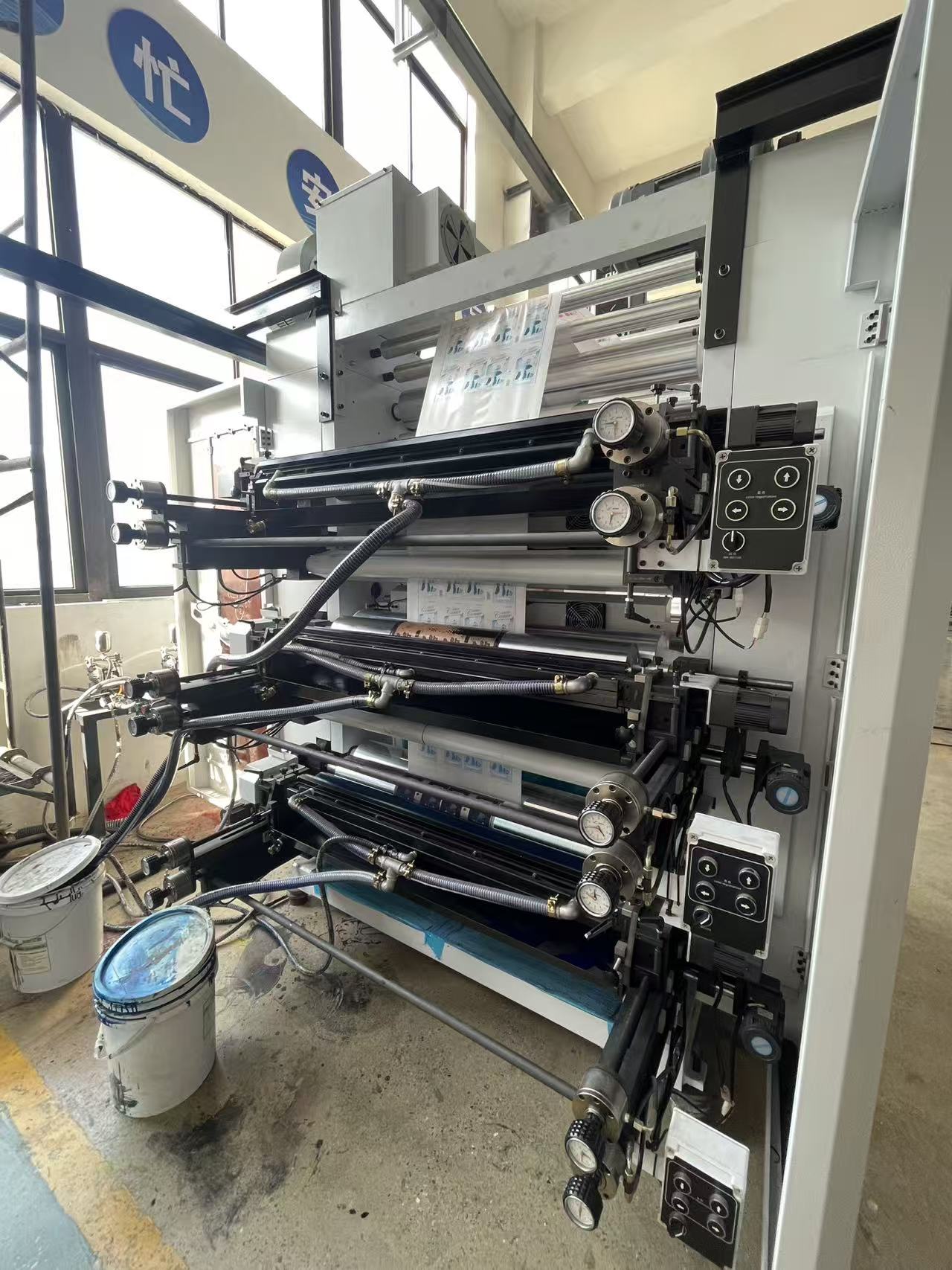
A flexible packaging converter in the Midwest was running a 20‑year‑old stack‑type flexo press. Changeovers between jobs averaged 45 minutes, and registration drift on thin LDPE film caused 6% material waste. The production manager upgraded to a modern central‑impression flexo press with servo‑driven registration and quick‑change sleeves. Changeover time dropped to 12 minutes, registration waste fell to under 1.5%, and monthly material savings exceeded $18,000. The new press paid for itself in under two years through reduced waste alone, while throughput increased by 35%.
This outcome is not unusual. Over the past six years, packaging consultants have observed that modern flexo printing machines consistently deliver measurable improvements in registration accuracy, changeover speed, and material utilization. Understanding flexo capabilities and technical specifications isn't just about machine features; it is about making a capital investment that directly impacts your bottom line, production agility, and competitive position in the packaging market.
Core Applications – Where Flexo Printing Excels
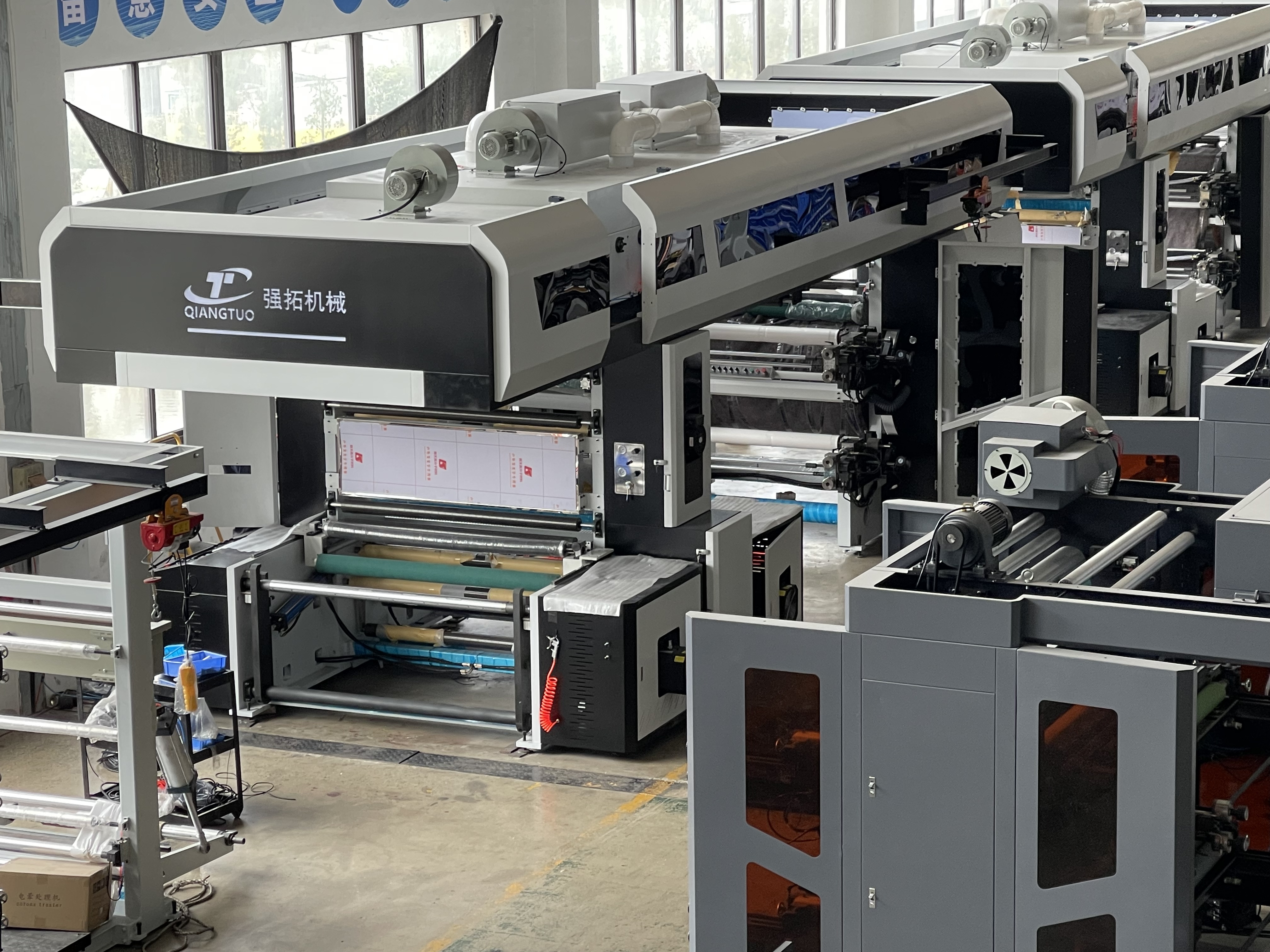
A flexo printing machine uses flexible photopolymer plates and fast‑drying inks to transfer images directly onto diverse substrates—including paper, plastic films, foil, corrugated board, and synthetics. Its strength lies in versatility: modern systems combine precision ink management with automated registration controls to maintain consistent color density and sharp reproduction at speeds exceeding 300 meters per minute.
| Application Category | Typical Substrates | Key Requirements | Flexo Advantage |
|---|---|---|---|
| Flexible Packaging | LDPE, BOPP, PET films | High speed, precise registration | CI drum stability, 300+ m/min |
| Labels | Pressure‑sensitive, shrink sleeves | Fine text, metallic inks | Quick changeover, low waste |
| Corrugated | Corrugated board | Heavy ink coverage | High‑volume, durable graphics |
| Tissue/Towel | Tissue paper | Softness preservation | Light impression, low tension |
Quick‑change plate mounting and enclosed doctor blade chambers minimize downtime, while integrated hot‑air or UV drying units cure inks instantly—preventing smearing and enabling uninterrupted roll‑to‑roll operation. This combination makes flexo the preferred choice for high‑volume packaging: flexible pouches, shrink sleeves, and corrugated boxes all benefit from its vibrant, durable graphics on food‑grade and industrial materials. Critically, flexo supports inline converting—varnishing, laminating, and die‑cutting—alongside solvent‑free ink options, lowering per‑unit costs and accelerating time to market.
Technical Specifications – What Defines Performance
Print Width, Speed, and Registration Accuracy
Print width determines maximum substrate size and falls into two categories: narrow‑web (up to 20 inches) and wide‑web (60 inches and above). Speed is a key productivity lever; advanced presses sustain 300 meters per minute (1,000 ft/min) without sacrificing color fidelity. Equally critical is registration accuracy: modern servo‑driven systems maintain color‑to‑color alignment within ±0.1 mm—a benchmark validated by industry benchmarking data showing top‑tier presses achieve 99.5% registration precision at full speed.
| Specification | Narrow‑Web Flexo | Wide‑Web Flexo |
|---|---|---|
| Typical width | 10–20 inches | 40–80+ inches |
| Typical speed | 150–250 m/min | 300–450 m/min |
| Registration accuracy | ±0.1 mm | ±0.1 mm |
| Primary market | Prime labels, tags | Flexible packaging, cartons |
Plate Mounting Systems and Ink Transfer Technology
Plate mounting has evolved from manual taping to quick‑change sleeves and automated clamping—slashing makeready time and improving repeatability. High‑precision lock‑up systems reduce plate distortion and enable faster job changeovers. Ink transfer centers on the anilox roll and chambered doctor blade assembly, which together meter ink volume precisely. Chambered systems cut ink consumption by 20–30% compared to open‑fountain designs, according to a 2024 packaging technology report. Further gains come from laser‑engraved anilox cells and temperature‑controlled ink chambers, which stabilize viscosity and density for consistent output across long runs.
Press Configurations – Matching Type to Production Needs
Narrow‑Web vs. Wide‑Web Flexo
The primary distinction between narrow‑web and wide‑web flexo presses lies in substrate width and job complexity, which drives machine rigidity and drying capacity.
| Feature | Narrow‑Web Flexo | Wide‑Web Flexo |
|---|---|---|
| Typical width | 10–20 inches | 40–80+ inches |
| Primary market | Prime labels, tags | Flexible packaging, cartons |
| Inline finishing | High (die‑cutting, foiling) | Moderate (slitting, sheeting) |
| Job change speed | Fast (quick‑change tooling) | Slower (heavy cylinders) |
Narrow‑web flexo remains the standard for high‑mix, low‑volume label production. For high‑volume flexible packaging, wide‑web machines streamline output by consolidating multiple narrow rolls into one pass—provided order volume justifies the longer setup.
CI (Central Impression) vs. Stack‑Type Configurations
The structural layout of a flexo printing machine dictates registration precision on extensible films. A Central Impression (CI) press holds the substrate against a single, large‑diameter drum while color stations print sequentially without releasing the web. This mechanical lock ensures near‑perfect color‑to‑color registration—making CI indispensable for printing on thin, unstable polymer films like LDPE at high speeds.
| Feature | CI Press | Stack‑Type Press |
|---|---|---|
| Substrate path | Wrapped around common drum | Free‑spanning between units |
| Registration on thin films | Excellent (±0.1 mm) | Moderate (±0.2–0.3 mm) |
| Substrate waste | Low (stable web) | Higher (tension variation) |
| Best application | Thin films, high speed | Board, thicker substrates |
Stack‑type presses position color stations vertically, with the web traveling freely between them. While this open architecture simplifies maintenance access, tension fluctuations can compromise register on stretchy films—leading to blurred images. For flexible packaging converters, the CI drum's stability remains non‑negotiable for minimizing substrate waste, which typically represents the largest cost variable in a run.
Total Cost of Ownership – Beyond the Purchase Price
| Cost Component | Typical Range | Impact on ROI |
|---|---|---|
| Initial investment | $500,000–$2,500,000+ | Capital expenditure |
| Energy consumption | 5–20 kW per station | Operating cost |
| Substrate waste | 1.5–7% | Material cost |
| Maintenance (annual) | 2–5% of asset value | Sustained uptime |
| Payback period | 18–30 months | Investment recovery |
Upfront Investment, Maintenance, and Consumables
Initial investment covers the press, ancillary equipment, and setup—but ongoing costs define long‑term viability. Energy consumption ranges from 5–20 kW per set, and substrate waste averages 3–7%. Servo‑driven systems require preventive servicing every 800–1,000 running hours; conventional mechanical drives need adjustments every 400 hours, increasing spare parts usage. Annual maintenance typically accounts for 2–5% of the asset's value.
ROI Considerations – Efficiency Gains and Waste Reduction
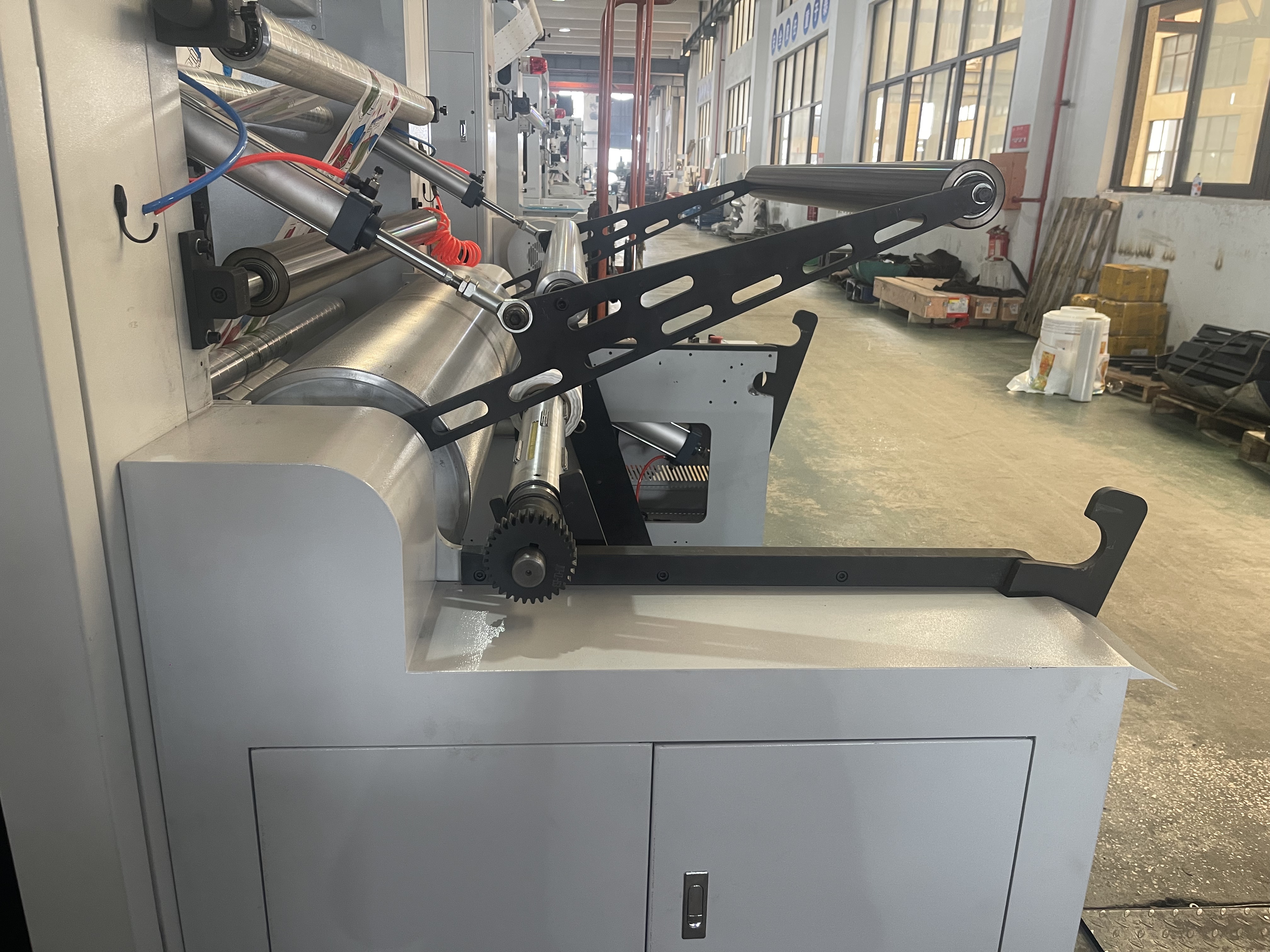
Return on investment accelerates when high‑speed flexo reduces amortization time. Under full‑load operations, advanced models can shorten payback from 30 months to 18–24 months. Automation lowers labor requirements, while precise registration and quick changeovers significantly reduce waste—directly boosting profitability. By assessing both throughput gains and consumable savings, converters achieve faster ROI and lower overall TCO.
Substrate and Material Integration – The BXKM Connection
Achieving the consistent print quality and high‑speed performance that make flexo printing a packaging industry standard requires not only the right press but also consistent, high‑quality substrate materials. BXKM's expertise in plastics processing equipment—including film extrusion, compounding, and pelletizing systems—supports the production of the very substrates that flexo presses print on. By supplying robust, energy‑efficient extrusion and compounding lines, BXKM helps film and sheet producers achieve tight thickness tolerances and consistent material properties—batch after batch. This capability ensures that the substrates entering flexo presses meet the performance standards expected for consistent ink transfer, dimensional stability, and runnability.
FAQ
| Question | Answer |
|---|---|
| What substrates can a flexo printing machine print on? | Paper, plastic films (LDPE, BOPP, PET), foil, corrugated board, synthetics, and tissue. |
| What are the advantages of flexo for packaging? | High speed (300+ m/min), vibrant durable graphics, inline converting, solvent‑free inks, low per‑unit costs. |
| What is the difference between narrow‑web and wide‑web flexo? | Narrow‑web (10–20") for labels; wide‑web (40–80+") for flexible packaging and cartons. |
| Why is CI press preferred for thin films? | CI presses hold the web against a common drum, ensuring near‑perfect registration (±0.1 mm) on extensible films like LDPE. |
| What factors impact total cost of ownership (TCO)? | Initial investment, energy (5–20 kW), substrate waste (1.5–7%), maintenance (2–5% of asset value), and labor. |